I remember sitting in my car in the hospital car park after my diagnosis, just staring at a leaflet with “polycystic ovary syndrome” printed across the top. One question kept running through my mind: how much protein should women with PCOS eat daily?
My doctor had mentioned insulin resistance almost as an afterthought, tacked onto a ten-minute appointment, and then I was out the door with more questions than I’d walked in with.
The one thing that kept coming up, in every forum thread and Facebook group I found myself falling into that week, was protein. Eat more protein. Everyone said it like it was obvious. Nobody said how much, or why, or what that actually looks like on a plate at 7am when you’re rushing out the door.
So I figured it out the slow way — through trial, error, a stack of dietitian-written resources, and honestly a fair few disappointing meals along the way. This is what I’ve learned since then, and what’s actually worked for me and for a few friends I’ve shared it with who also have PCOS.
How Much Protein Should Women with PCOS Eat Daily? Recommended Daily Intake
One of the first things you will likely wonder about if you have recently been told you have PCOS is how much protein should women with PCOS eat daily.
Every woman’s nutritional needs differ, but most studies indicate shooting for 1.2–1.6 grams of protein per kilogram of body weight each day. Distributing protein fairly across your meals will help to maintain your feeling of fullness, promote muscular health, and better manage your blood sugar.
Why I Started Paying Attention to Protein at All

For the first year or so after diagnosis, I didn’t really understand why protein mattered so much. I thought it was gym-bro stuff, honestly — protein shakes and chicken breasts, not something relevant to someone who’d never set foot in a weights room in her life.
At that point, I stopped wondering how much protein should women with PCOS eat daily and started paying attention to how different meals affected my energy, cravings, and blood sugar. That simple shift completely changed the way I approached eating with PCOS.
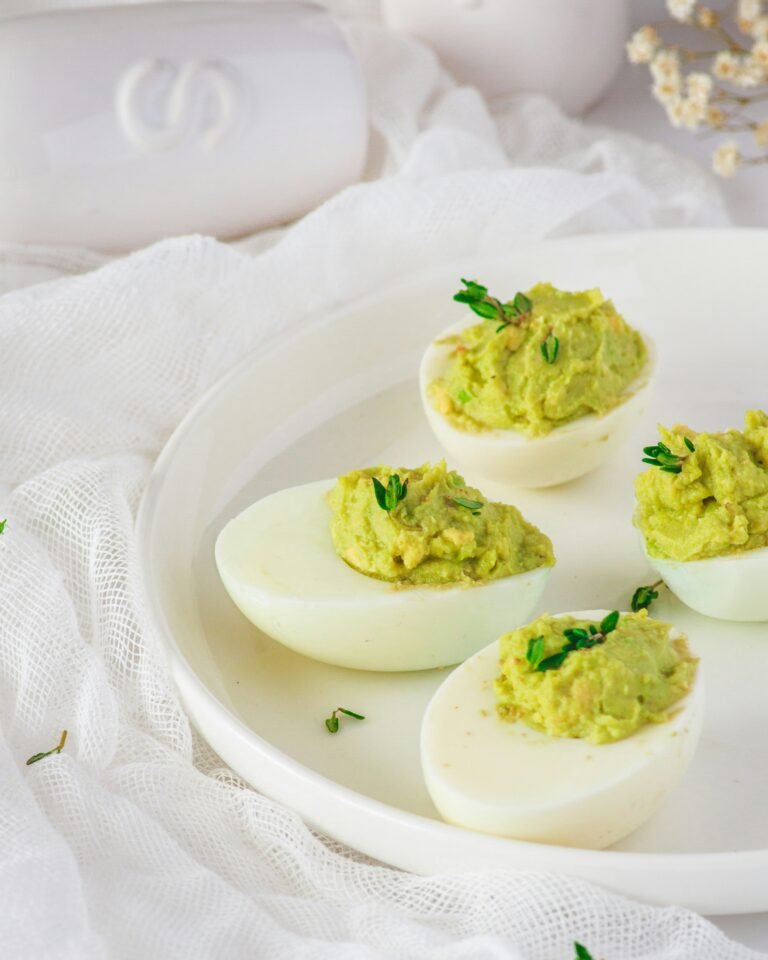
Then I started noticing a pattern. On mornings when I had toast and jam for breakfast, I was ravenous by 10am and irritable by 11. On mornings when I had eggs instead, I felt fine until lunch.
That wasn’t a coincidence, and once I read into it, it made a lot more sense. Protein digests slowly. It doesn’t send your blood sugar shooting up the way refined carbs do, and it doesn’t leave you crashing an hour later either.
Since insulin resistance sits underneath a lot of what’s going on with PCOS for many of us, that steadier release of glucose actually matters quite a bit. Less of a spike means less excess insulin, and less excess insulin means fewer of the downstream problems — for me that was mostly acne and cravings I couldn’t shake, though for other women it shows up differently.
It also just kept me fuller for longer. If you’ve got PCOS, I probably don’t need to explain the cravings to you. You already know.
What PCOS Actually Is, in Case You’re New to This
Understanding how insulin resistance affects hormone balance also helps answer the common question of how much protein should women with PCOS eat daily. Protein alone isn’t a cure, but it can play an important role in supporting more stable blood sugar levels.
I’ll keep this part brief because if you’re reading an article this specific, you probably already have a diagnosis or a strong suspicion of one. But for anyone landing here without much background: PCOS is a hormonal condition, and it’s a lot more common than people assume.
It usually gets diagnosed through some mix of irregular periods, higher levels of androgens (often called “male” hormones, like testosterone), and sometimes small follicles that show up on an ultrasound scan.
For me, and for a lot of women I’ve spoken to, insulin resistance sits right at the middle of it. My cells don’t respond to insulin the way they’re supposed to, so my body compensates by producing more of it.
That extra insulin doesn’t just mess with blood sugar — it nudges the ovaries into producing more testosterone too, which is part of why so many of us deal with acne, extra hair growth, or cycles that show up whenever they feel like it.
This is the reason food, and protein specifically, kept coming up everywhere I looked when I started researching how to manage it.
What Changed Once I Started Eating More Protein
I won’t pretend it was some overnight transformation, because it wasn’t. But over a few months of being consistent, a few things shifted for me.
My energy stopped doing the mid-afternoon nosedive it used to do most days. I stopped feeling like I was white-knuckling my way past the biscuit tin at 3pm. My skin, which had been genuinely rough for about two years, started calming down — not perfect, but noticeably better.
And weight, which had felt completely stuck no matter what I tried, finally started moving again, slowly, without me having to starve myself to make it happen. I want to be careful here, because I know how tempting it is to read someone’s story online and expect the exact same results.
Increasing protein was only one part of my journey. I also focused on eating nutrient-dense foods that supported my hormones. You can read more in my guide on 7 Best Foods for PCOS Weight Loss: What I Ate to Lose 40kg (Real Results).
Bodies are different. PCOS shows up differently in different women. What I can tell you is that this wasn’t a fluke for me — the same pattern held for a friend of mine, Saba, who I’ll mention again later, and it lines up with what registered dietitians who specialise in PCOS actually recommend.
How Much Protein Are We Talking About?
This is the number everyone wants, so I won’t dance around it. From what I’ve read, most of the research on PCOS and insulin resistance points to somewhere between 1.2 and 1.6 grams of protein per kilogram of body weight per day.
That’s quite a bit higher than the general adult Recommended Dietary Allowance of 0.8g/kg, which is the figure set out by bodies like the National Institutes of Health’s Office of Dietary Supplements.
It’s worth knowing that 0.8g/kg number was never meant to be an optimal target — it’s closer to a bare minimum to avoid deficiency, not a number designed with insulin resistance in mind.
Rough numbers, if it helps:
- Around 60kg (about 132lbs) — roughly 72–96 grams of protein a day.
- Around 75kg (about 165lbs) — closer to 90–120 grams a day.
Honestly though, I stopped thinking in daily totals pretty quickly because it was exhausting to track. What worked much better for me was thinking meal by meal — aiming for somewhere around 25–30 grams of protein per main meal.
Spread across three or four meals rather than saving it all for dinner. It’s a far easier habit to keep up, and I noticed my blood sugar (and mood, if I’m honest) stayed more even across the whole day compared to the old habit of skipping breakfast and eating a huge dinner.
The British Dietetic Association’s food fact sheet on PCOS says something similar — building meals around a decent protein source alongside fibre-rich, lower-GI carbs is one of the more consistently recommended approaches, because it brings down the overall impact a meal has on your blood sugar.
Why My Number Might Not Be Yours
Something I had to learn the hard way is that there isn’t one universal figure that applies to every woman with PCOS, even though a lot of articles online write as if there is. Body size is the obvious one — the target scales with your weight, so it’s naturally going to be different for me than for someone smaller or larger.
Activity level matters too. I don’t do much structured exercise beyond walking, so my needs are probably lower than a friend of mine who trains three times a week and needs more protein just to recover properly.
How severe your insulin resistance is plays a part as well — from what I understand, women further along that spectrum tend to do better nearer the top of the 1.2–1.6 g/kg range. If you’re trying to lose weight and eating in a calorie deficit, higher protein helps protect your muscle while the fat comes off, rather than losing both together.
Kidney health is something to flag honestly, not gloss over — very high protein intakes aren’t appropriate for everyone, and if you have any existing kidney issues, this is a conversation for your doctor, not something to take from a blog post.
And life stage shifts things too. What worked for me in my late twenties might not be exactly right during perimenopause or pregnancy, so it’s worth revisiting rather than assuming it’s fixed forever.
What I Actually Eat
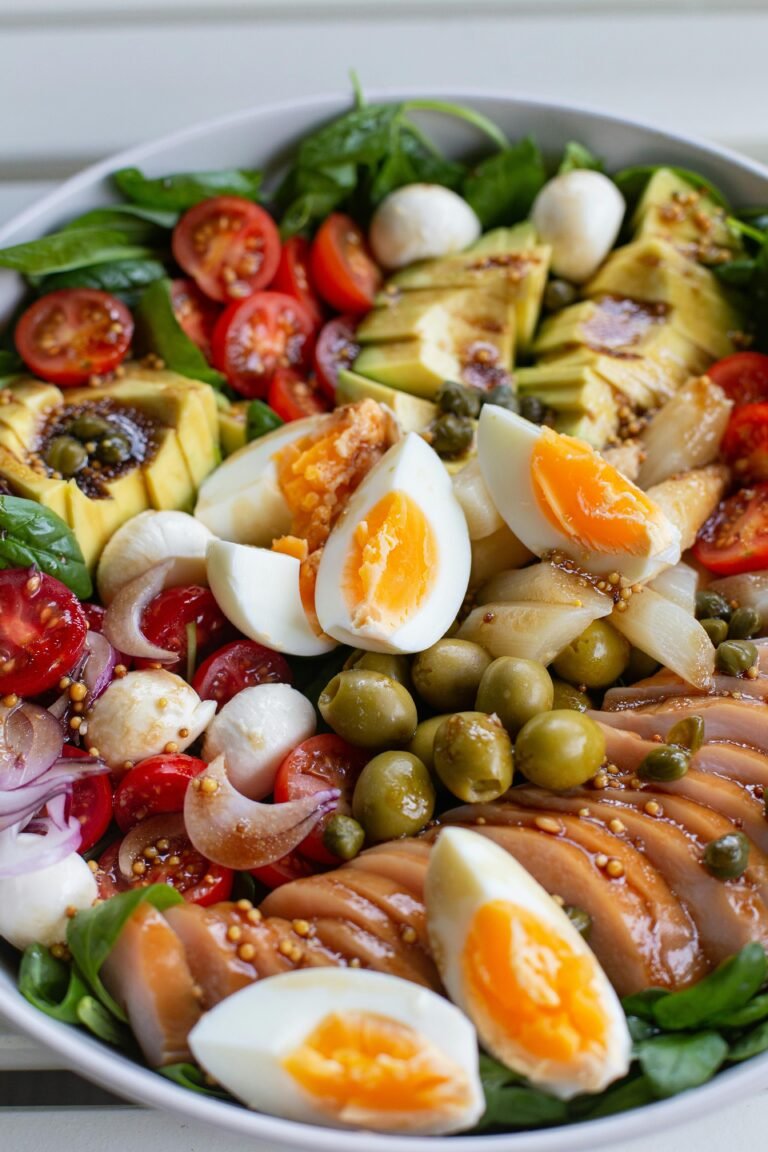
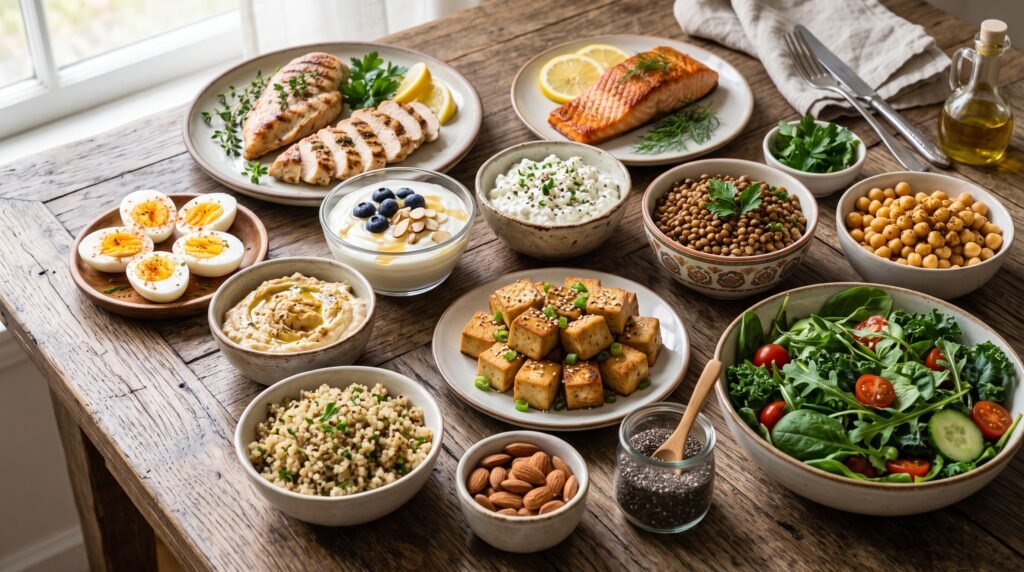
I’m not precious about where the protein comes from. A mix works best for me. On the animal side: eggs (my breakfast staple, most days), skinless chicken and turkey, oily fish like salmon and mackerel when I remember to buy it, Greek yoghurt, cottage cheese, and red meat maybe twice a week — which also helps with iron, since my periods used to run heavy before things settled down a bit.
If you’re wondering which seafood choices are best, check out my guide on the 5 Best Fish for PCOS Weight Loss to learn which options provide the most protein and healthy omega-3 fats.
Once I understood how much protein should women with PCOS eat daily, planning meals became much easier. Instead of counting every gram obsessively, I focused on including a quality protein source with every meal.
On the plant side: lentils, beans, tofu, edamame, chickpeas, quinoa, and nuts or nut butters, which I lean on more than I probably should for snacks. Mixing both types has worked better for me than sticking to just one.
Plant sources bring extra fibre I wasn’t getting otherwise, and animal sources give a more complete amino acid profile without me having to think too hard about combining things.
A Day That Actually Looks Like Mine
My friend Priya, who’s around 68kg and also managing PCOS, aims for roughly 95 grams of protein a day, and her days usually look something like this.
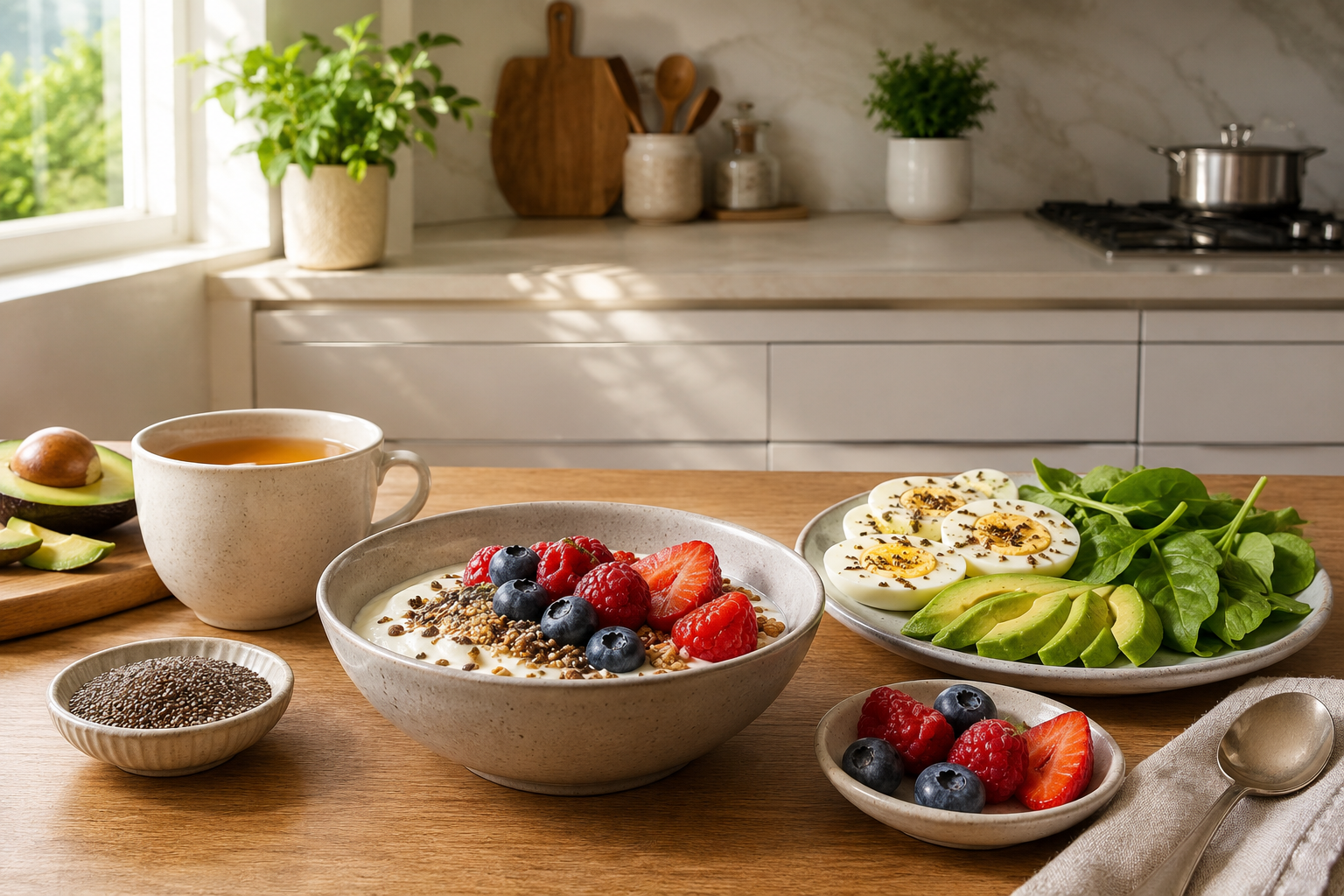
Breakfast is Greek yoghurt with berries and a spoonful of chia seeds — she reckons that’s about 25g of protein. Lunch is usually a grilled chicken salad with chickpeas thrown in, around 30g.
Mid-afternoon she has a boiled egg and a small handful of almonds, adding maybe 10g more. Dinner is often baked salmon with quinoa and roasted vegetables, bringing in the last 30g or so.
There’s no protein shake in that day, no single food doing all the work, nothing extreme about it. It’s just protein woven into every meal, which is a lot more sustainable than trying to cram it all in once and hope for the best.
Mistakes That Are Easy to Make

A big one is skipping breakfast and then trying to make up for it with a huge protein-heavy dinner. Front-loading protein earlier in the day tends to work better for blood sugar than back-loading it.
Another is leaning too hard on protein bars and shakes — they have their place, but whole foods bring fibre and micronutrients that most processed protein products just don’t. Cutting carbs and fat too aggressively alongside upping protein is another common trap.
Protein works best alongside fibre-rich carbs and healthy fats, not as a replacement for them. And more isn’t automatically better — pushing protein intake extremely high can crowd out other nutrients your body needs, and it can put real strain on kidneys in anyone with an existing condition.
Above all, don’t ignore your own hunger and fullness signals just to hit a number on paper. A meal that leaves you satisfied and that you’ll actually want to eat again next week beats a perfectly calculated one you can’t stand by day three.
Protein Table
| Weight | Daily Protein |
|---|---|
| 50 kg | 60–80 g |
| 60 kg | 72–96 g |
| 70 kg | 84–112 g |
| 80 kg | 96–128 g |
| 90 kg | 108–144 g |
Nutrition Table
| Food | Protein |
|---|---|
| Eggs (2) | 12 g |
| Greek Yogurt | 20 g |
| Chicken Breast | 31 g |
| Salmon | 25 g |
| Lentils | 18 g |
| Cottage Cheese | 28 g |
| Tofu | 17 g |
Expert Tips for Actually Getting There
Start breakfast with protein, before anything else touches your plate. Whatever else is on there, aim for 20–30g of protein first — it sets the tone for blood sugar stability for the rest of the day, and it’s the single easiest habit to change.
Cook a batch of something once a week. A tray of baked chicken thighs, a dozen boiled eggs, or a pot of lentils sitting in the fridge removes the decision-making that so often leads to skipping meals or grabbing whatever’s quickest.
Never eat carbs completely on their own. Even something as simple as an apple is better paired with a handful of almonds — it slows down the sugar hit and keeps you fuller.
Actually read the label on “protein” products before you buy them. Plenty of protein bars and drinks are essentially sugar with a marketing claim slapped on the front. Check the full nutrition panel, not the headline number.
Track your food for a couple of weeks if you’re not sure where you stand, then stop. It’s a useful way to understand your current habits and close any gaps, but it’s not something you need to do forever. Once the habits are in place, trust them and move on with your life.
And if you can, work with a registered dietitian. PCOS looks different in every woman, and someone who can look at your actual bloodwork, symptoms, and lifestyle will get you further than a generic gram target ever will.
The British Dietetic Association has a directory for finding one, and the UK charity Verity is a solid place to start for support and information more broadly.
Conclusion
There’s no single perfect number that’s going to apply to every woman with PCOS, and I’m wary of anyone who tells you there is.
Remember that regularity matters more than perfection if you’re still wondering how much protein should women with PCOS eat daily. Including protein-rich items at every meal and striving for your own daily goal helps to promote better long-term PCOS control and better eating.
But from my own experience, and from what the research seems to consistently point to, aiming for somewhere between 1.2 and 1.6 grams of protein per kilogram of body weight daily, spread across three or four meals at roughly 25–30g each, has been a realistic target that’s actually stuck for me.
The real shift for me wasn’t hitting some perfect gram count. It was building meals I actually wanted to eat again the next day, and the day after that.
If any of this resonates and you want more ideas, I’ve been slowly collecting PCOS-friendly, low-carb recipes over on KetoExpert — feel free to have a browse if you’re looking for a place to start.
A quick note: I’m not a doctor, dietitian, or any kind of licensed medical professional. Everything below comes from my own experience living with PCOS, plus a lot of reading and research I’ve done along the way trying to make sense of my own body. Please don’t treat this as medical advice — talk to your GP or a registered dietitian before making big changes to your diet, especially if you have any other health conditions.
Questions People Also Ask
If you’re still wondering how much protein should women with PCOS eat daily, these frequently asked questions cover the concerns most women have after receiving a PCOS diagnosis.
Is a high-protein diet actually safe with PCOS?
For most healthy women, intakes up to around 2.0g/kg/day are considered safe from what I’ve read. If you have any kidney concerns at all, that’s a conversation for your doctor before you change anything.
Did protein alone fix your PCOS?
No, and I’d be suspicious of anyone claiming it did for them either. It’s one piece of a bigger picture that, for me, also included moving more, sleeping properly, and generally being kinder to myself about the whole thing.
Does plant protein work as well as animal protein?
In my experience, yes. What seems to matter most is the total amount and how consistently it’s spread across the day, not exclusively where it comes from.
Should I eat protein before bed?
I don’t always, but on nights when I do, I sleep a bit better and wake up less ravenous. Not essential, but worth trying for yourself.
How long before you noticed anything?
Energy and cravings shifted for me within a couple of weeks of being consistent. The hormonal stuff — skin, cycles — took a lot longer, more like a few months. I’d say don’t judge it too early.