I Asked This Question Every Single Day for Five Years
Standing on the scale in tears again, watching the number either stay the same or somehow go UP despite eating 1,200 calories and exercising six days a week, I screamed inside my head: “Why can’t I lose weight with PCOS? What am I doing wrong?”
I’d tried everything. Weight Watchers counted points religiously. Jenny Craig followed perfectly. Juice cleanses suffered through. Boot camp classes attended faithfully. Hours on the treadmill logged meticulously. Yet my body refused to cooperate. While friends lost weight effortlessly on the exact same programmes, I gained fat, lost energy, and accumulated frustration.
Doctors told me to “just eat less and move more.” My family suggested I lacked willpower. Online forums blamed my genetics. Everyone had an opinion, but nobody understood what it’s actually like trying to lose weight when your hormones are working against you every single moment.
How I Started My Weight Loss Journey
Then I discovered something that changed everything: I wasn’t failing because of lack of discipline. I was failing because I was fighting seven hidden obstacles that nobody had told me about. Once I identified and systematically eliminated each one,I lost 40 kg in 12 months. Not through superhuman willpower, but by finally understanding why PCOS makes weight loss feel impossible—and what actually works instead.
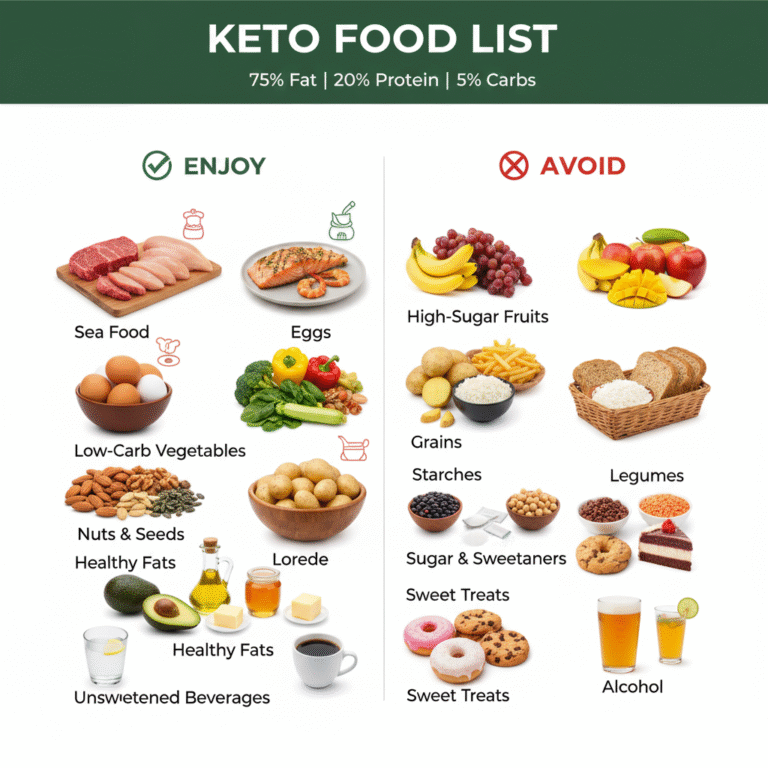
Note: If you’re struggling to see results on Keto, you’re not alone. When I started my journey to lose 40kg with PCOS, I realized that generic advice doesn’t work for hormonal weight loss. I’ve put together a complete, step-by-step [2026 Keto Guide] that reveals the exact protocol I used to reset my metabolism and balance my hormones naturally. Make sure to read it alongside this post to fast-track your results!
Why PCOS Makes Weight Loss Feel Impossible (The Truth Nobody Tells You)
For years, I thought PCOS was just about irregular periods and maybe some extra facial hair. I had no idea it was fundamentally changing how my body processed every single bite of food I ate. “Chronic inflammation is the silent driver behind PCOS symptoms like hirsutism and fatigue. To combat this, you need a diet rich in high-quality Omega-3s that actually ‘talk’ to your cells. If you’re wondering which seafood provides the highest anti-inflammatory boost without the mercury risk, check out my updated guide on the best fish for PCOS weight loss to fix your hormone signaling.”
The Insulin Resistance Reality
Women with PCOS produce 50-70% more insulin than women without the condition. Think about that number. My pancreas was pumping out nearly DOUBLE the insulin of my non-PCOS friends, and my cells were becoming increasingly resistant to it. This created a vicious cycle I didn’t understand for years.
Every time I ate carbohydrates, even “healthy” ones like whole wheat bread or fruit, my blood sugar would spike. My pancreas would panic and dump massive amounts of insulin into my bloodstream. But because my cells were resistant, they wouldn’t respond properly. So my pancreas would make even MORE insulin, creating dangerously high levels.
That excess insulin did three devastating things. First, it signalled my ovaries to produce more testosterone and androgens, worsening all my PCOS symptoms. Second, it told my body to store every available calorie as fat, especially around my belly. Third, it prevented my body from accessing stored fat for energy. I was literally locked in fat-storage mode 24/7.
The Hormone Chaos
But insulin resistance was just the beginning. My testosterone was 85 ng/dL—double the normal range for women. My progesterone was basically nonexistent. My cortisol was through the roof from constant stress. My thyroid was sluggish. My leptin (the “I’m full” hormone) wasn’t signalling properly to my brain.
With this hormonal disaster, my body had one priority: survival. And in survival mode, bodies don’t release stored fat—they desperately cling to every calorie because they think you’re starving. No amount of willpower can override survival biology.
The Vicious Cycle
The worst part? Everything I did to try to lose weight made my PCOS worse. Restricting calories increased my cortisol. Excessive cardio raised my stress hormones. Eating “healthy whole grains” spiked my insulin. The low-fat diet everyone recommended eliminated the fats I needed to produce hormones. I was trapped in a cycle where my weight loss attempts were actively sabotaging my hormones.
This is why you can’t lose weight with PCOS using standard advice. We need a completely different approach that addresses the root hormonal problems instead of fighting against them with willpower.
Obstacle #1: I Was Eating “Healthy” Foods That Destroyed My Insulin Sensitivity
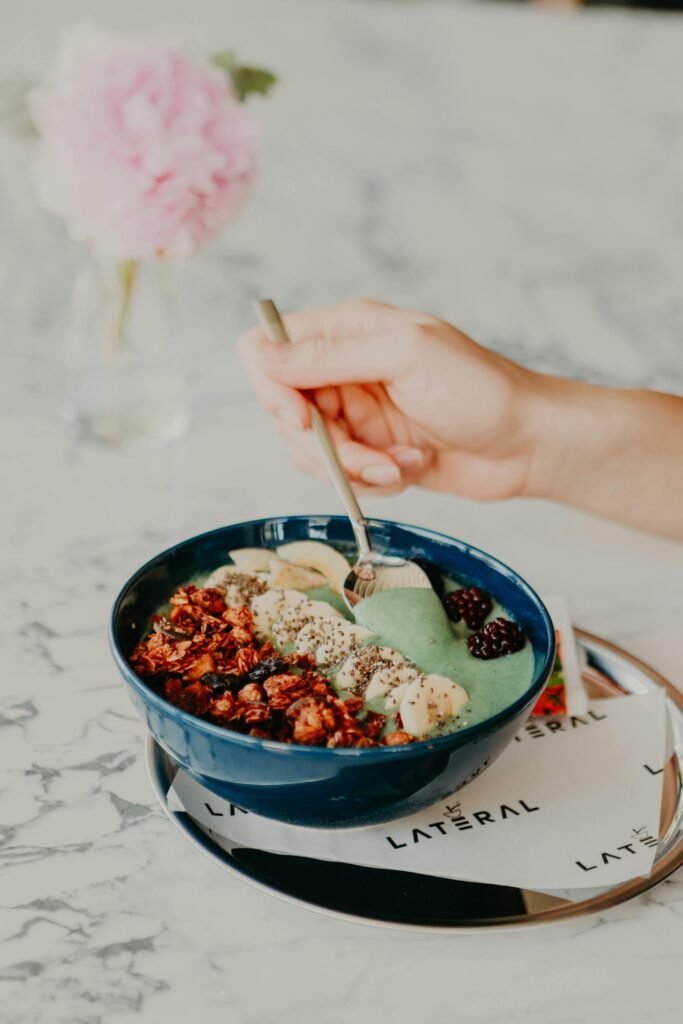
This was the biggest obstacle, and the one that took me longest to understand. I genuinely thought I was eating healthy. My breakfast was steel-cut oatmeal with berries and honey. Lunch was a whole wheat sandwich with turkey. Dinner included brown rice or quinoa. Snacks were fruit, granola bars, or whole grain crackers.
Every single one of these foods was spiking my insulin within 30 minutes.
The Whole Grain Lie
I’d been told whole grains were healthy, essential even. What nobody mentioned is that whole wheat bread has a glycaemic index of 71—HIGHER than table sugar at 65. My “healthy” whole wheat toast was raising my blood sugar faster than eating a candy bar.
Brown rice? Glycaemic index of 68. Quinoa? 53. Oatmeal? 55. These foods might be fine for women without PCOS, but for those of us with severe insulin resistance, they were keeping us fat.
I wore a continuous glucose monitor for two weeks to see what different foods did to my blood sugar. The results shocked me. My “healthy” oatmeal breakfast sent my blood sugar to 165 mg/dL within 45 minutes. The whole wheat sandwich? 178 mg/dL. The brown rice dinner? 182 mg/dL.
Every single meal was creating massive insulin spikes, keeping my body in fat-storage mode all day long.
The Fruit Trap
I was eating 2-3 servings of fruit daily because “fruit is healthy.” But fruit is essentially sugar with some fiber. A banana has 27 grams of sugar. An apple has 19 grams. Even berries, which are “lower sugar,” were adding 15-20 grams per serving.
My PCOS body couldn’t handle that much sugar, even natural sugar. Each fruit serving spiked my insulin, increased my cravings, and prevented fat burning.
What I Changed
I eliminated all grains—wheat, rice, oats, quinoa, everything. Gone. I limited fruit to 1/4 cup berries with fat or protein to slow absorption. I replaced my carb-heavy meals with high-fat, high-protein alternatives that didn’t spike my blood sugar.
Within two weeks, my constant hunger disappeared. Within a month, I’d lost 3.5 kg, more than I’d lost in six months of “healthy eating”.
Obstacle #2: I Was Exercising TOO Much (And Making Everything Worse)
This one seemed completely counterintuitive. How could exercising MORE be preventing weight loss? But it was, and dramatically so.
The Cardio Addiction
I was doing 60-90 minutes of intense cardio six days per week. Spin class, running, boot camp, HIIT workouts—anything that made me sweat and burned maximum calories. I thought more exercise meant more weight loss.
What I didn’t understand is that excessive exercise increases cortisol—your stress hormone. And cortisol directly worsens insulin resistance, increases belly fat storage, and disrupts all other hormones including thyroid and sex hormones.
My body was in constant stress from overtraining. I was always tired, my periods stopped completely, my hair was falling out, and I was gaining weight despite burning 500-700 calories per workout session. The exercise that was supposed to save me was destroying my hormones.
The Cortisol Connection
When you do high-intensity exercise, your body releases cortisol as part of the stress response. This is normal and fine in small doses. But when you’re doing intense exercise daily while also dealing with the chronic stress of PCOS, work, life, and restrictive dieting, your cortisol never drops.
Chronically elevated cortisol tells your body to store fat around your abdomen (exactly where PCOS already makes us store it). It increases blood sugar. It makes you crave sugar constantly. It disrupts your sleep. It tanks your thyroid function. Basically, high cortisol creates the exact opposite metabolic state you need for weight loss.
What I Changed
I quit all intense cardio completely. Cold turkey. Instead, I started walking 30-45 minutes daily at a conversational pace. Just walking—nothing that raised my heart rate significantly or left me exhausted.
I added gentle yoga twice weekly. I incorporated 30-minute weightlifting sessions three times weekly, focusing on heavy weights with full recovery between sets—never pushing to exhaustion.
The result? My cortisol normalised. My sleep improved. My energy returned. And I started losing weight consistently for the first time in years. By doing LESS exercise, I lost MORE weight. The maths only make sense when you understand hormones.
Obstacle #3: My Thyroid Was Sabotaging Everything (And Nobody Checked It Properly)
About 30% of women with PCOS also have thyroid problems, but most doctors only test TSH and call it good. That’s exactly what happened to me for years.
The Standard Testing Failure
My TSH was always “normal” at 3.2. My doctor said my thyroid was fine and refused to investigate further. What she didn’t test was Free T3, Free T4, Reverse T3, and thyroid antibodies.
When I finally found a doctor willing to run comprehensive thyroid panels, the truth emerged. My Free T3 (the active thyroid hormone) was at the very bottom of the reference range. My Reverse T3 (the brake on metabolism) was elevated. I had Hashimoto’s antibodies, meaning my immune system was attacking my thyroid.
My thyroid was barely functioning, which explained why my metabolism felt completely dead. No amount of calorie restriction or exercise can overcome a sluggish thyroid.
The PCOS-Thyroid Connection
PCOS and thyroid problems are intimately connected. The same insulin resistance that drives PCOS also affects thyroid hormone conversion. High cortisol from stress increases Reverse T3. The chronic inflammation of PCOS can trigger autoimmune thyroid disease. They feed into each other in a horrible cycle.
What I Changed
I started thyroid medication (levothyroxine plus T3) to bring my Free T3 into optimal range—not just “normal” but actually optimal for metabolic function. I supplemented with selenium (200mcg daily) to support thyroid conversion and reduce antibodies.
I eliminated gluten completely because it’s molecularly similar to thyroid tissue and can trigger autoimmune responses in susceptible people. Within three months, my thyroid antibodies dropped by 60%.
My energy increased dramatically. My resting body temperature rose from 36.1°C to 36.8°C (higher metabolic rate). My hair stopped falling out. And weight loss, which had been completely stalled, started happening again.

Obstacle #4: I Wasn’t Eating Enough Protein (And It Was Keeping Me Hungry)
I’d been eating maybe 50-60 grams of protein daily, thinking that was enough. For PCOS women trying to lose weight, it’s nowhere near sufficient.
The Protein Deficit
Most of my meals were carb-focused with token protein. Oatmeal for breakfast (8g protein). Salad with chickpeas for lunch (12g protein). Pasta with vegetables for dinner (15g protein). Total daily protein: 50-60 grams.
The problem? Protein is the most satiating macronutrient and the one that has almost zero impact on insulin. By not eating enough protein, I was:
- Constantly hungry between meals
- Experiencing blood sugar crashes
- Losing muscle mass as my body cannibalized it for energy
- Never feeling satisfied no matter how much I ate
The Protein Transformation
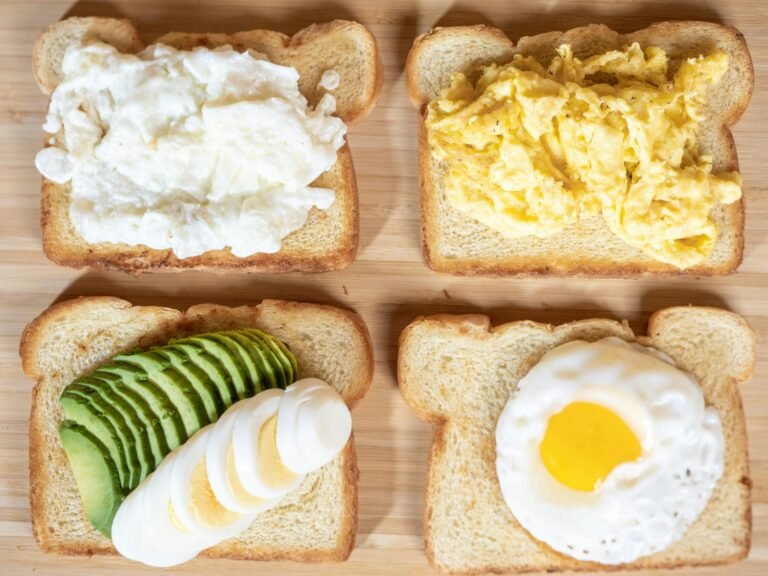
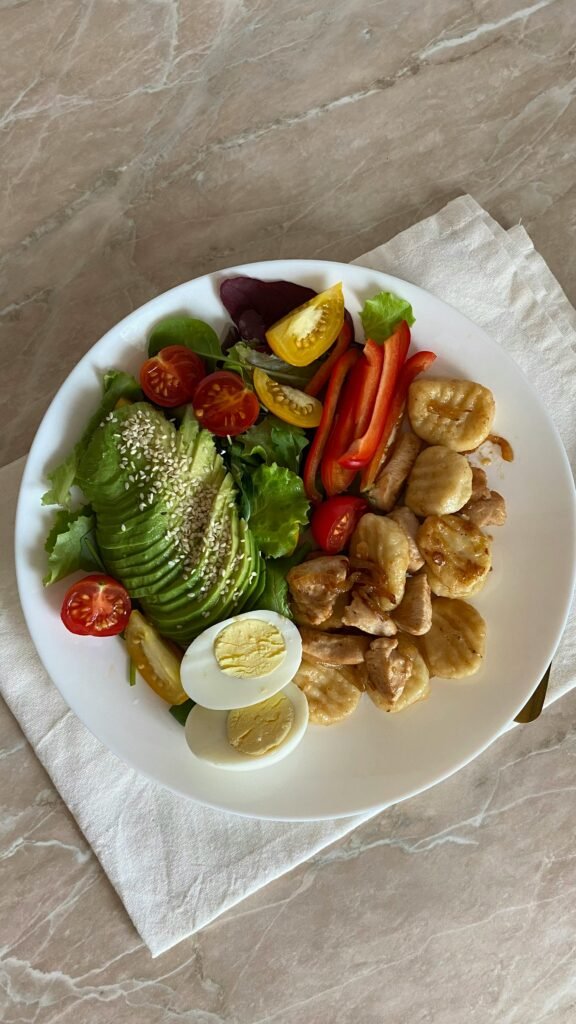
I increased my protein target to 100-120 grams daily—roughly 30-35 grams per meal. This meant eggs for breakfast instead of oatmeal. Chicken or fish at lunch instead of grain-based meals. Adequate meat or fish at dinner.
The change was immediate and dramatic. My between-meal hunger vanished. I could easily go 5-6 hours between eating without thinking about food. My blood sugar stabilized completely. My muscle mass increased even while losing fat, which kept my metabolism high.
Most importantly, I wasn’t fighting cravings constantly. When you eat enough protein, your hunger hormones actually work properly. Ghrelin (hunger hormone) stays low. Leptin (fullness hormone) signals correctly. You naturally eat less without suffering.
The Numbers That Worked
I aimed for:
- Breakfast: 25-35g protein (3 eggs, or protein shake, or Greek yogurt with added protein powder)
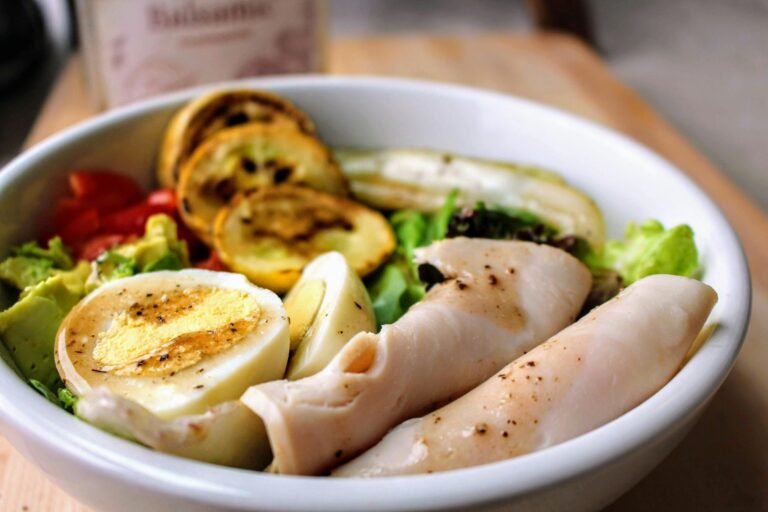
- Lunch: 30-40g protein (palm-sized portion of meat or fish)
- Dinner: 30-40g protein (slightly larger portion of protein)
- Snacks if needed: 10-15g (handful of nuts, string cheese, protein bar)
This consistent high protein intake was one of the three most important factors in my 40kg weight loss.
Obstacle #5: Hidden Inflammation from Dairy and Gluten Was Blocking Everything
I never suspected food sensitivities because I didn’t have obvious allergies. No anaphylaxis, no hives, no vomiting. But what I had was chronic low-grade inflammation from foods my body couldn’t handle—and that inflammation was preventing weight loss.
The Dairy Discovery
I was eating dairy multiple times daily. Milk in my coffee. Yogurt for snacks. Cheese on everything. Protein shakes with whey. I thought dairy was healthy protein, and for some people it is.
But for many women with PCOS, dairy proteins (especially A1 casein found in cow’s milk) increase insulin-like growth factor 1 (IGF-1). Higher IGF-1 stimulates androgen production, worsening PCOS symptoms like acne and hirsutism. It also promotes inflammation throughout the body.
I eliminated all dairy for 30 days as an experiment. Within two weeks, my skin started clearing. My bloating disappeared completely. My inflammatory markers on blood tests dropped. And I lost 2kg that week despite eating the same calories.
When I tried reintroducing dairy after 30 days, my acne came back within three days. My face puffed up. My digestion got terrible. The connection was undeniable.
The Gluten Problem
Gluten was even more insidious because I’d been eating whole grain bread thinking it was healthy. But gluten can increase intestinal permeability (“leaky gut”), allowing partially digested food proteins into your bloodstream where they trigger immune responses and inflammation.
Chronic inflammation directly worsens insulin resistance. It also interferes with leptin signaling, leaving you constantly hungry even after eating adequate calories. For me, gluten was keeping me inflamed, insulin resistant, and unable to lose weight.
The Elimination Experiment
I cut out all dairy and gluten simultaneously for 60 days. No cheese, no yogurt, no milk, no whey protein. No bread, no pasta, no crackers, no anything with wheat, barley, or rye.
The first week was hard—I had intense cravings and felt irritable. But by week two, something shifted. My energy was better than it had been in years. My brain fog lifted completely. My joint pain disappeared (I didn’t even realize I’d had joint pain until it was gone). My chronic bloating vanished.
And the weight started coming off steadily—1-1.5kg per week for the first month, then 0.5-1kg weekly after that. Removing these inflammatory foods allowed my body to finally heal and release stored fat.
Obstacle #6: I Was Sleeping Only 5-6 Hours (And Destroying My Insulin Sensitivity)
Sleep felt like a luxury I couldn’t afford. I was staying up until midnight or later, then waking at 6 AM. Five to six hours seemed like enough—plenty of successful people sleep that little, right?
Wrong. For PCOS women, inadequate sleep is metabolic poison.
The Sleep-Insulin Connection
Every hour of sleep you lose increases insulin resistance by approximately 10-15%. So my chronic sleep deprivation was making my already-severe insulin resistance dramatically worse.
Lack of sleep also:
- Increases ghrelin (hunger hormone) by 15%
- Decreases leptin (fullness hormone) by 15%
- Increases cortisol by 50-100%
- Reduces growth hormone (needed for fat burning)
- Impairs glucose metabolism
- Increases inflammatory markers
Basically, sleeping 5-6 hours was creating the worst possible hormonal environment for weight loss. I was fighting biology with willpower, and biology always wins.

The Sleep Quality Issue
It wasn’t just duration—quality mattered too. I’d lie awake for an hour before falling asleep. I’d wake up 3-4 times per night. I’d wake feeling unrefreshed. This fragmented sleep was almost as bad as short sleep.
My sleep issues were partially caused by high evening cortisol from overexercising and stress. But they were also worsened by eating too close to bedtime, using screens until midnight, and having my bedroom too warm and bright.
What I Changed
I made sleep an absolute non-negotiable priority. Eight hours in bed minimum, which meant 7-7.5 hours actual sleep after accounting for time to fall asleep.
My sleep hygiene protocol:
- Last meal finished by 7 PM (3-4 hours before bed)
- No screens after 9 PM (the hardest change but most impactful)
- Blackout curtains and eye mask (room pitch black)
- Room temperature 18-19°C (cool promotes better sleep)
- Magnesium glycinate 400mg taken 30 minutes before bed
- Consistent sleep schedule (bed at 10:30 PM, wake at 6:30 AM every day, even weekends)
Within two weeks, I was sleeping through the night. Within a month, I was waking refreshed instead of exhausted. My morning fasting blood sugar, which had been stubbornly high at 105-110 mg/dL, dropped to 85-90 mg/dL.
Better sleep meant better insulin sensitivity meant easier weight loss. It was that simple.
Obstacle #7: I Gave Up Too Soon (PCOS Weight Loss Is Painfully Slow—Until It’s Not)
This obstacle almost defeated me multiple times. I’d follow a diet perfectly for 3-4 weeks, lose maybe 2kg, then stall completely. The scale wouldn’t budge for two weeks. I’d get discouraged, fall off track, and regain everything.
I didn’t understand that PCOS weight loss is fundamentally different from normal weight loss.
The Non-Linear Reality
Women without PCOS might lose 1-2kg per week consistently. For us, it doesn’t work that way. Weight loss with PCOS looks like:
- Week 1: Lose 2kg (mostly water)
- Week 2: Lose 0.5kg
- Week 3: Lose nothing (scale doesn’t move at all)
- Week 4: Gain 0.5kg (hormonal fluctuation)
- Week 5: Lose nothing again
- Week 6: Suddenly lose 1.5kg
- Week 7: Lose 0.5kg
- Week 8-9: Plateau again
If you only look at the scale week to week, you’ll think nothing is working. But zoom out to monthly or quarterly, and the trend is clearly downward. I had to learn to trust the process even when the scale was being stubborn.
The Whoosh Effect
PCOS weight loss often happens in “whooshes.” Your body will stubbornly hold onto fat for 2-3 weeks, then suddenly release 2-3kg overnight. Literally overnight—I’d go to bed one weight and wake up significantly lighter.
This happens because fat cells temporarily fill with water after releasing their fat content. Your body is waiting to see if you’re actually going to stay consistent before fully releasing that water. When it’s convinced you’re serious, you get the whoosh.
The problem is, most people give up right before the whoosh. They endure 2-3 weeks of plateau, get discouraged, and quit—never seeing the release that was about to happen.

The Timeline Truth
My 40kg PCOS Weight Loss Timeline
| Month | Weight Lost | Total Progress | Phase |
| 1 – 3 | 10.0 kg | 10.0 kg | Initial “Water Weight” Drop |
| 4 – 5 | 5.0 kg | 15.0 kg | The Frustration Zone |
| 6 – 8 | 8.0 kg | 23.0 kg | Hormonal Re-balancing |
| 9 – 11 | 11.0 kg | 34.0 kg | Metabolic Adaptation |
| 12 | 6.0 kg | 40.0 kg | The Final Whoosh |
Notice how months 4-8 felt painfully slow? That’s when most people quit. But had I quit, I would have missed the acceleration that came in months 9-12 once my hormones fully healed.
What Kept Me Going
I stopped weighing myself weekly. Instead, I weighed once monthly on the same day of my cycle. This eliminated the emotional rollercoaster of daily or weekly fluctuations.
I tracked non-scale victories:
- Energy levels (dramatically improved by month 2)
- Clothing fit (down one size by month 3)
- Period regularity (finally regular by month 4)
- Skin clarity (cleared by month 3)
- Hunger levels (manageable after month 1)
- Blood work improvements (insulin dropped by month 6)
These victories kept me motivated when the scale was stubborn. They proved my body was healing even when pounds weren’t dropping.
What Finally Worked: My Complete Approach After Overcoming All 7 Obstacles
Once I addressed every single obstacle, weight loss became almost effortless—not easy, but consistent and sustainable.
The PCOS Protocol: What I Changed
1. What I Eliminated (The Inflammation Triggers)
- All Grains: No wheat, rice, oats, or “healthy” whole grains.
- All Sugar: No refined sugar, high-fructose corn syrup, or hidden sweeteners.
- Processed Foods: Anything in a box with more than 3 ingredients.
- Dairy & Gluten: Removed completely to lower systemic inflammation.
- Seed Oils: No canola, soybean, or vegetable oils (swapped for avocado/olive oil).
- Alcohol: Eliminated to prioritize liver health and fat burning.
2. What I Added (The Metabolic Healers)
- High Protein: 100g – 120g daily (30g – 35g per meal).
- Healthy Fats: 70g – 100g daily for hormone production.
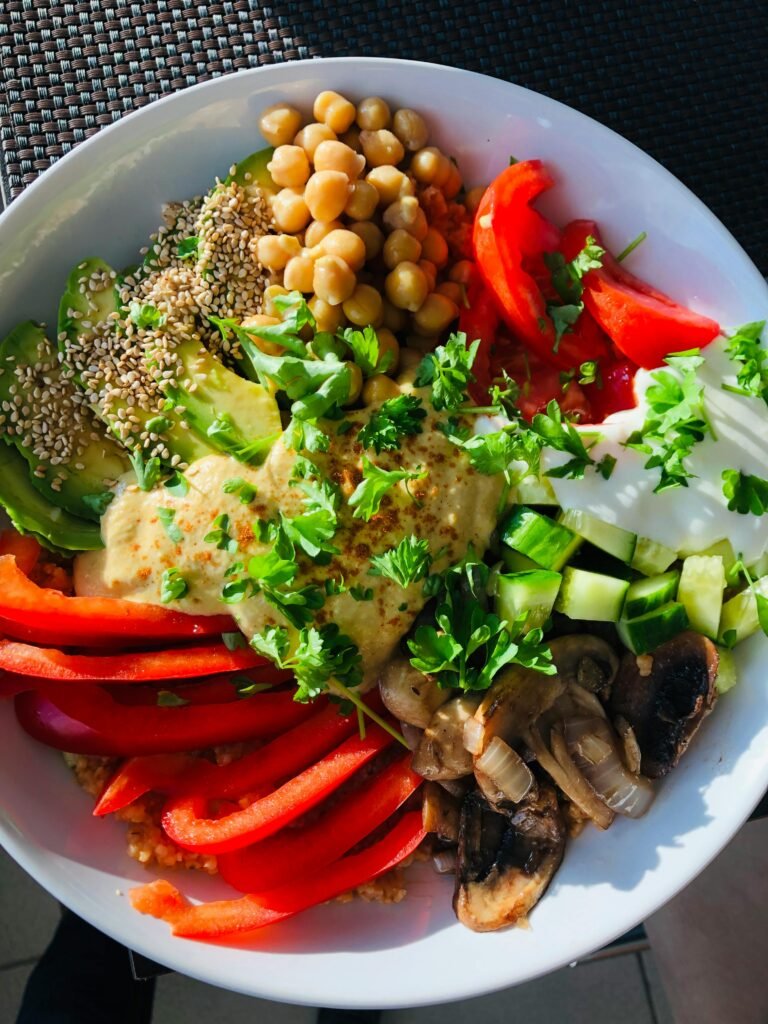
- Fiber: Unlimited non-starchy vegetables (leafy greens, broccoli, etc.).
- Meal Timing: 16:8 Intermittent Fasting (Eating window: 12 PM – 8 PM).
3. The Macro Breakdown
- Net Carbs: Under 25g daily (Strict Keto) for the first 6 months.
- Maintenance: 30g – 50g net carbs once goal weight was reached.
- Protein Goal: Minimum 30g at every meal to prevent muscle loss.
The PCOS Lifestyle & Support System
1. Movement & Exercise
- Daily Walks: 30–45 minutes of low-intensity steady-state (LISS) to keep cortisol low.
- Weightlifting: 3x weekly (30 minutes). Focus on heavy weights with full recovery between sets to build insulin-sensitive muscle.
- Restorative Movement: 2x weekly gentle yoga to manage stress and flexibility.
2. Sleep & Stress Management
- Sleep Protocol: 8 hours in bed nightly with strict sleep hygiene and an optimized (cool, dark) bedroom.
- Daily Meditation: 10 minutes of dedicated mindfulness to lower sympathetic nervous system activation.
- Boundaries: Saying “no” to commitments that drain energy or increase stress.
- Mental Health: Regular therapy to address and heal emotional eating patterns.
3. Targeted Supplementation
- Insulin Support: Myo-Inositol (4g daily) and Berberine (500mg, 3x daily).
- Mineral Support: Magnesium Glycinate (400mg) for sleep and glucose metabolism.
- Vitamin Support: Vitamin D3 (5,000 IU) and Omega-3 Fish Oil (2,000mg).
4. Medical & Tracking
- Thyroid Optimization: Use of Levothyroxine + T3 to specifically optimize “Free T3” levels (not just TSH).
- Progress Tracking: Monthly weigh-ins (avoiding daily scale anxiety), quarterly blood work, and daily journaling of energy/hunger levels.
The Mindset Transformation
This was perhaps the most important shift. I stopped viewing PCOS as a character flaw or personal failure. I recognized it as a metabolic condition requiring a specific approach, just like diabetes or thyroid disease.
I stopped comparing myself to friends without PCOS who could eat pizza and lose weight. Their metabolism wasn’t mine. I needed to work with MY body, not fight against it.
I released the idea that faster was better. Slow, sustainable weight loss that came from healed hormones was infinitely superior to rapid weight loss from starvation and overexercise.
I learned to celebrate consistency over perfection. Some days I ate 35g net carbs instead of 25g. Some weeks I only walked 4 days instead of 7. That was fine—progress, not perfection.

Frequently Asked Questions
Why can’t I lose weight with PCOS no matter what I do?
You can’t lose weight with PCOS using standard approaches because PCOS fundamentally changes your metabolism through insulin resistance, hormone imbalances, and chronic inflammation. The seven most common obstacles are eating foods that spike insulin (even “healthy” grains), overexercising and raising cortisol, undiagnosed thyroid problems, inadequate protein intake, hidden food sensitivities, poor sleep destroying insulin sensitivity, and giving up during the inevitable plateaus. Address these obstacles systematically and weight loss becomes possible—I lost 40kg after years of failure by fixing each one.
How long does it take to lose weight with PCOS?
PCOS weight loss takes significantly longer than normal weight loss—typically 1-2kg monthly versus the 2kg weekly that non-PCOS women might achieve. My 40kg loss took 12 full months of consistency. Weight loss is rarely linear with PCOS; expect weeks of no change followed by sudden “whoosh” losses of 2-3kg. Most women give up right before their body releases weight after a plateau. Patience and monthly rather than weekly tracking are essential for success.
Is it impossible to lose weight with PCOS?
No, it’s not impossible—but it is significantly harder and requires addressing the hormonal root causes rather than just restricting calories. Women with PCOS can lose the same amount of weight as women without PCOS when insulin resistance is properly managed through very low carbohydrate intake, adequate protein, appropriate exercise (not excessive), good sleep, and sometimes medication. I lost 40kg after years of failure once I understood these principles. The key is working with your PCOS metabolism, not fighting against it.
What is PCOS weight loss resistance?
PCOS weight loss resistance is when your body stubbornly refuses to release stored fat despite eating less and exercising more. This happens because insulin resistance keeps insulin levels chronically elevated, and high insulin directly blocks fat burning while promoting fat storage. Additionally, inflammation from food sensitivities, elevated cortisol from overexercising or poor sleep, and sluggish thyroid function all contribute to metabolic resistance. True weight loss resistance usually involves multiple factors that must be addressed simultaneously.
Why do I keep gaining weight with PCOS even when dieting?
You gain weight despite dieting because standard low-fat, high-carb calorie restriction worsens the hormonal problems driving PCOS. Eating grains and sugar spikes insulin. Severe calorie restriction raises cortisol. Excessive exercise increases stress hormones. Low-fat diets eliminate the fats needed for hormone production. Your body interprets restrictive dieting as starvation and fights back by lowering metabolism and increasing fat storage. I gained weight on 1,200 calories daily until I switched to adequate calories from the right foods—then weight loss happened naturally.
Does PCOS make it harder to lose belly fat?
Yes, PCOS specifically promotes abdominal fat storage through elevated insulin and androgens. Insulin preferentially stores fat around your midsection. High testosterone levels in PCOS create an “apple-shaped” fat distribution similar to men rather than the “pear shape” typical of women. Belly fat is also the most insulin-resistant fat, creating a vicious cycle. However, reducing insulin through very low carb eating specifically targets this stubborn belly fat—I lost 12 inches from my waist, more than any other body area.
Can you lose weight with PCOS without medication?
Yes, I lost all 40kg without metformin, Ozempic, or other weight loss medications through diet and lifestyle changes alone. However, I did take thyroid medication because my thyroid was genuinely underactive. Some women benefit from metformin or inositol to improve insulin sensitivity, making weight loss easier. Medication isn’t mandatory but can accelerate results when combined with proper nutrition. The foundation is always diet—medication can’t compensate for eating foods that spike insulin.
Why does PCOS cause weight gain in the first place?
PCOS causes weight gain through a vicious hormonal cycle. Insulin resistance leads to chronically elevated insulin, which signals fat storage (especially belly fat) while preventing fat burning. High insulin also triggers ovaries to produce excess androgens like testosterone. These hormones further worsen insulin resistance and promote weight gain. Inflammation from PCOS disrupts leptin (fullness hormone), leaving you constantly hungry. Your metabolism slows due to thyroid dysfunction common in PCOS. It’s a perfect storm of metabolic dysfunction.
How do I know if I have PCOS weight loss plateau?
A true PCOS plateau is when weight doesn’t change for 3-4 weeks despite perfect adherence to your eating plan, adequate sleep, and appropriate exercise. However, distinguish between actual plateaus and normal hormonal fluctuations—your weight can vary 2-3kg throughout your menstrual cycle due to water retention. Track monthly weight on the same day of your cycle rather than weekly. Also track non-scale victories like measurements, clothing fit, and energy levels. If those are improving, you’re not truly plateaued even if the scale is stubborn.
What should I eat to finally lose weight with PCOS?
Eat high protein (100-120g daily), healthy fats (60-100g daily), and very low carbohydrates (under 25-50g net carbs) to manage insulin resistance. Best foods include eggs, fatty fish, grass-fed meat, full-fat Greek yogurt (if tolerated), leafy greens, cruciferous vegetables, avocados, nuts, seeds, and olive oil. Avoid all grains, sugar, processed foods, and for many women, dairy and gluten. Focus on whole foods that don’t spike insulin. This approach fixed my hormones and enabled 40kg weight loss after years of failure on “healthy” low-fat diets.
Conclusion: You’re Not Broken—Your Approach Was
For five years, I genuinely believed something was fundamentally wrong with me. I watched everyone around me succeed on diets that failed me miserably. I internalized the message that I lacked willpower, discipline, or commitment.
The truth was so much simpler and so much more hopeful: I wasn’t broken. My approach was wrong for my PCOS metabolism.
Every “healthy” whole grain I ate was spiking my insulin. Every hour of intense cardio was raising my cortisol and worsening my hormones. My undiagnosed thyroid problem was sabotaging my metabolism. My low protein intake was leaving me constantly hungry. Hidden dairy and gluten sensitivities were keeping me inflamed. My terrible sleep was destroying my insulin sensitivity. And I was quitting right before my body was ready to release weight.
Once I systematically addressed each obstacle—switching to very low carb eating, reducing exercise intensity, treating my thyroid, increasing protein dramatically, eliminating inflammatory foods, prioritizing sleep, and committing to patience—my body finally cooperated. The 40kg that seemed impossible to lose came off steadily over 12 months.
If you’re asking yourself “Why can’t I lose weight with PCOS?” right now, please understand: it’s not your fault. PCOS creates metabolic obstacles that standard diet advice doesn’t address. But these obstacles can be overcome once you identify and systematically eliminate each one.
You don’t need more willpower. You need the right information about how PCOS bodies actually work. You need to stop fighting your biology with restriction and start working with it through proper nutrition, appropriate exercise, adequate sleep, and patience with the non-linear process.
Your body wants to release this weight. It’s been holding onto it because the metabolic conditions weren’t right. Fix those conditions—really fix them, all seven obstacles—and weight loss becomes not easy, but possible. Sustainable. Real.
Start with one obstacle this week. Just one. Fix it completely before moving to the next. Give your body time to heal and respond. Trust that consistent right action, even when the scale isn’t moving, is healing your hormones at a cellular level.
The weight will follow. Mine did. Yours will too.
Medical Disclaimer:
The information provided on this website, including my personal 12-month PCOS weight loss journey, is for informational and educational purposes only. It is based on my personal experience and is not intended as a substitute for professional medical advice, diagnosis, or treatment.
Every individual’s body and health condition are unique; what worked for me may not work for everyone. Always seek the advice of your physician or other qualified health providers with any questions you may have regarding a medical condition or dietary changes. Never disregard professional medical advice or delay in seeking it because of something you have read on this website.