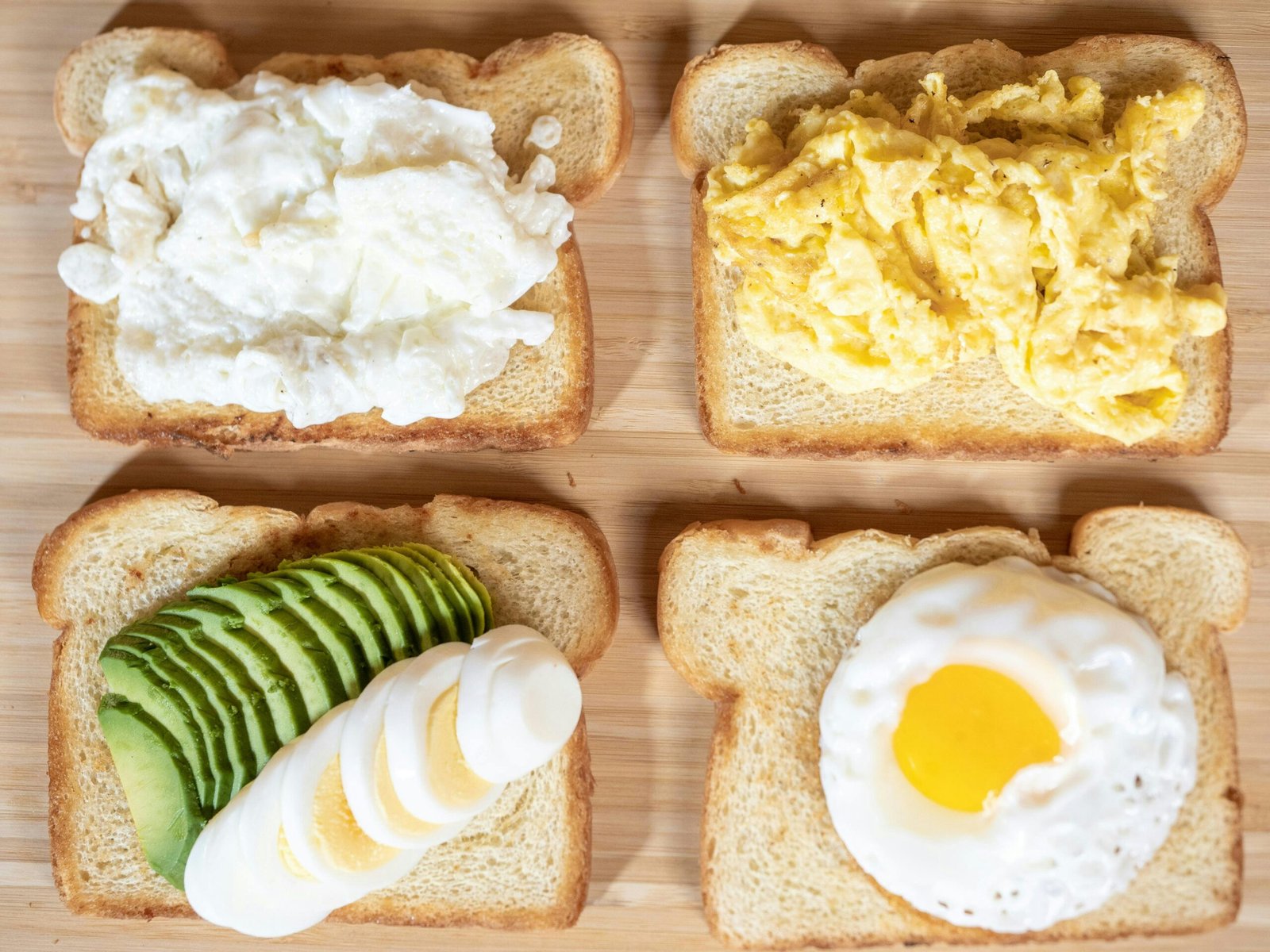
What Are Low-Carb, High-Protein Keto Snacks?
Low-carb, high-protein snacks are foods that contain at least 10 grams of protein and fewer than 10 grams of net carbs per serving. These snacks help you build muscle, stay full longer, and maintain stable blood sugar levels throughout the day.
The ideal protein-to-carb ratio for these snacks is at least 2:1, meaning twice as much protein as net carbs. This combination supports fat loss while preserving lean muscle mass, making these snacks perfect for keto dieters, athletes, and anyone focused on body composition.
Note: If you’re struggling to see results on Keto, you’re not alone. When I started my journey to lose 40 kg with PCOS, I realized that generic advice doesn’t work for hormonal weight loss. I’ve put together a complete, step-by-step [2026 Keto Guide] that reveals the exact protocol I used to reset my metabolism and balance my hormones naturally. Make sure to read it alongside this post to fast-track your results!
Why Choose Low-Carb High-Protein Keto Snacks?
Appetite Control and Satiety
Protein is the most satiating macronutrient. When you eat high-protein snacks, your body releases hormones like peptide YY and GLP-1 that signal fullness to your brain. This reduces overall calorie intake by 15-20% without conscious effort, according to multiple nutrition studies.
Blood Sugar Stabilization
Unlike high-carb snacks that cause energy crashes, protein-rich options provide steady energy. Protein has minimal impact on blood glucose and insulin levels, preventing the spike-and-crash cycle that leads to afternoon fatigue and cravings.
Muscle Preservation During Weight Loss
When you’re in a calorie deficit, your body needs adequate protein to prevent muscle breakdown. Consuming 20-30 grams of protein every 3-4 hours maintains muscle protein synthesis, which is especially important for anyone over 40 or actively strength training.
Homemade Keto Snacks
Keto Snacks You Can Make at Home
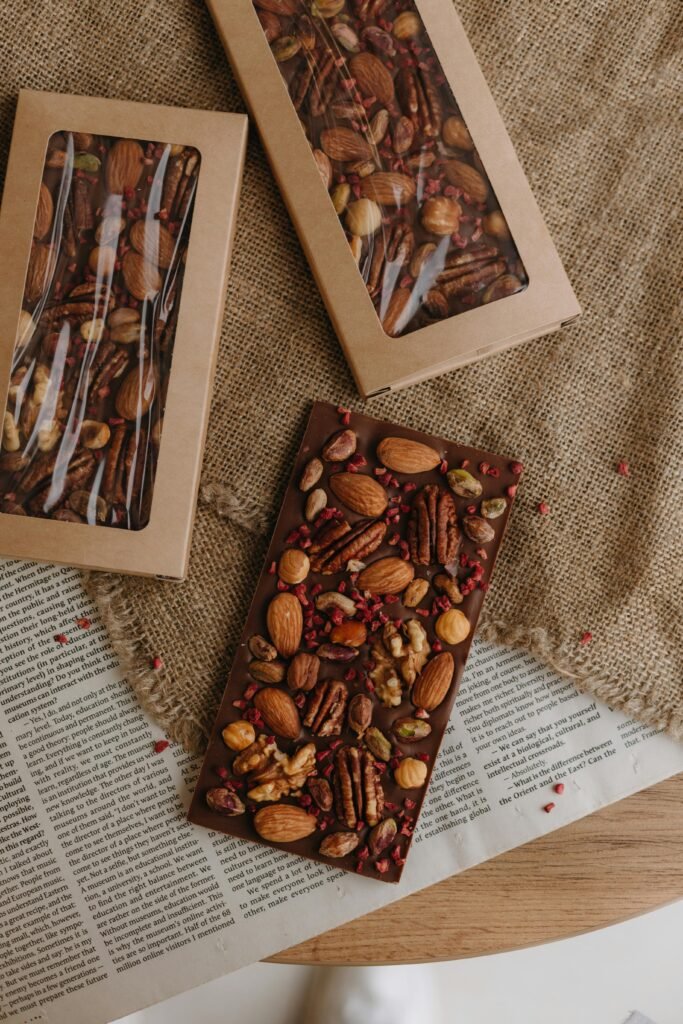
- Mixed Nuts: A good trail mix is a popular choice on keto. …
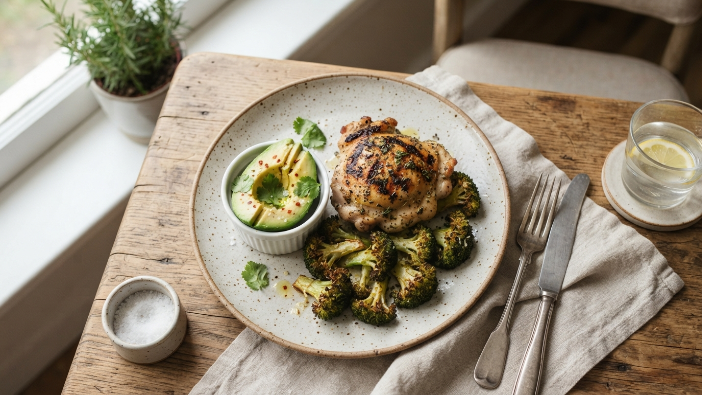
- Avocado: Half an avocado is filling and tasty. …
- Protein Smoothie: Blend a keto-friendly protein powder with almond milk and a handful of greens for a nutrition-packed treat.
Metabolic Advantages
Protein has a higher thermic effect than carbs or fat, meaning your body burns 20-30% of protein calories just digesting it. This metabolic boost can increase daily calorie burn by 80-100 calories when protein intake is optimised.
Let’s start with the best options in each category.
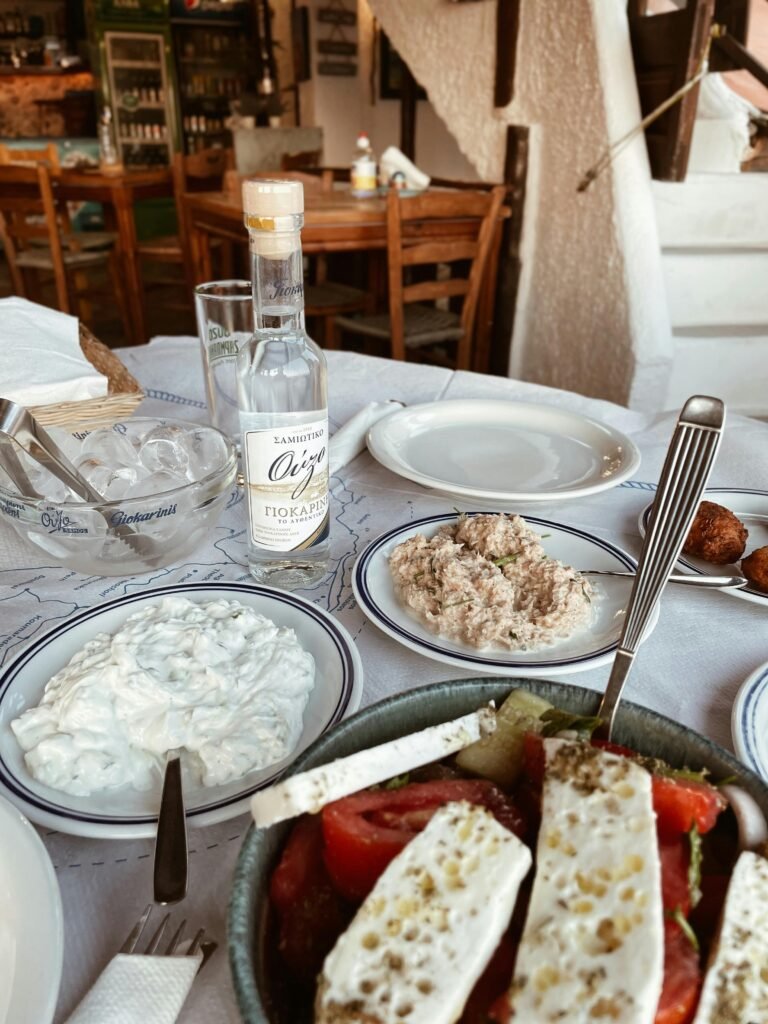
Best Store-Bought High-Protein, Low-Carb Snacks
Protein-Packed Dairy Options
Greek Yogurt (Plain, Full-Fat)
- Protein: 15-20g per cup
- Net carbs: 5-8g
- Why it works: High in probiotics and calcium, and has twice the protein of regular yogurt
- Best choice: Fage Total 5% or Two Good brand (only 3g net carbs)
Cottage Cheese
- Protein: 14g per 1/2 cup
- Net carbs: 4-6g
- Why it works: Slow-digesting casein protein keeps you full for hours
- Pro tip: Mix with cucumber and everything bagel seasoning
String Cheese and Cheese Sticks
- Protein: 6-8g per stick
- Net carbs: 0-1g
- Why it works: Portable, pre-portioned, no refrigeration needed for short periods
- Best brands: Sargento, Organic Valley
Hard-Boiled Eggs
- Protein: 6g per egg
- Net carbs: 0.5g
- Why it works: Complete protein with all essential amino acids, contains choline for brain health
- Prep tip: Make a dozen on Sunday for the week
Meat-Based Protein Snacks
Beef Jerky (Sugar-Free)
- Protein: 9-15g per ounce
- Net carbs: 0-3g
- Why it works: Extremely portable, shelf-stable, satisfies savory cravings
- Watch out for: Added sugars (read labels carefully)
- Best brands: Chomps, Epic, People’s Choice
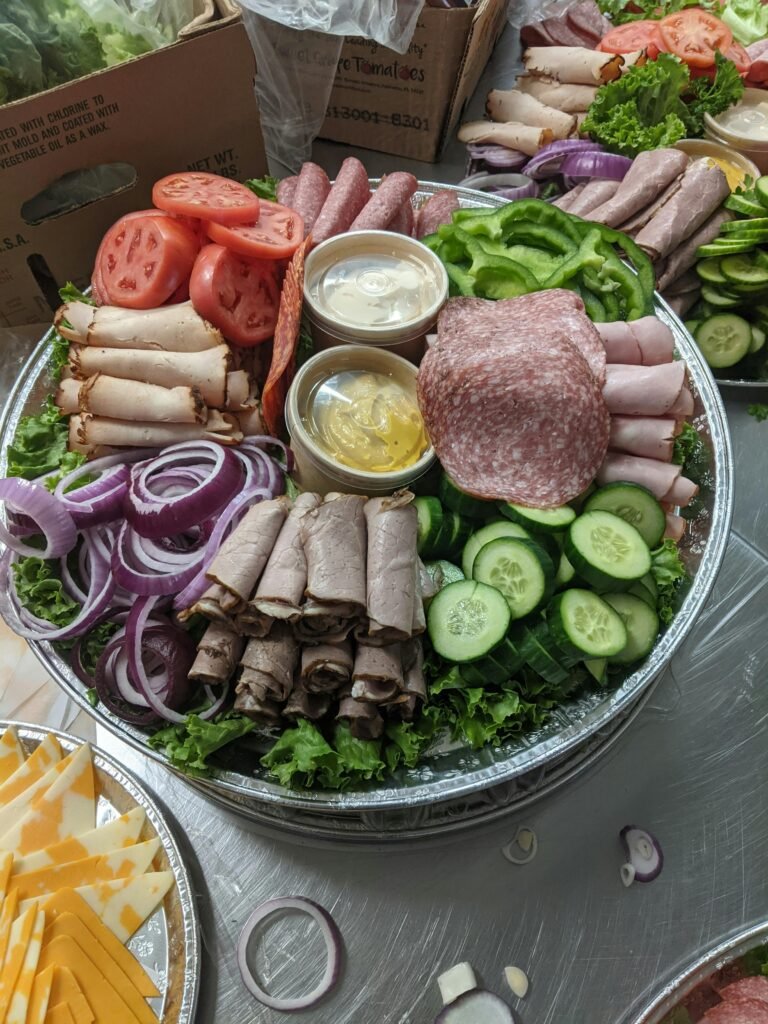
Turkey Roll-Ups
- Protein: 20g per serving
- Net carbs: 2g
- Why it works: Deli turkey wrapped around cheese, pickles, or avocado
- Budget option: Make fresh at home for $0.50 per serving
Canned Tuna or Salmon
- Protein: 20-25g per can
- Net carbs: 0g
- Why it works: Rich in omega-3 fatty acids, convenient, affordable
- Easy prep: Mix with mayo, mustard, and celery
Pepperoni Slices
- Protein: 5g per serving
- Net carbs: 0g
- Why it works: Satisfies pizza cravings, pairs well with cheese
- Serving idea: Make pepperoni “chips” by microwaving for 1 minute
Protein Bars and Packaged Snacks
Quest Protein Bars
- Protein: 20-21g per bar
- Net carbs: 4-6g
- Why it works: High fiber content (14g), great taste, widely available
- Best flavors: Chocolate Chip Cookie Dough, Birthday Cake
Built Bars
- Protein: 17-19g per bar
- Net carbs: 4-7g
- Why it works: Marshmallow-like texture, lower calories (110-130)
- Unique feature: Double-layered with real chocolate coating
Epic Protein Bars (Meat-Based)
- Protein: 15g per bar
- Net carbs: 3g
- Why it works: Made from real meat, no dairy or soy, paleo-friendly
- Best for: People with dairy sensitivities
Protein Puffs and Chips
Quest Protein Chips
- Protein: 18-19g per bag
- Net carbs: 4-5g
- Why it works: Satisfies chip cravings with minimal carbs
- Flavors: BBQ, Sour Cream & Onion, Loaded Taco
Wilde Protein Chips
- Protein: 10g per serving
- Net carbs: 1g
- Why it works: Made from chicken breast, egg whites, and bone broth
- Texture: Crunchier than Quest chips
Nut and Seed Options
Almonds (Roasted, Unsalted)
- Protein: 6g per ounce
- Net carbs: 2-3 g
- Why it works: High in vitamin E, magnesium, and healthy fats
- Portion control: Pre-portion into 1 oz bags (about 23 almonds)
Pumpkin Seeds (Pepitas)
- Protein: 9g per ounce
- Net carbs: 2g
- Why it works: Highest protein-to-carb ratio of any seed, rich in zinc
- Serving tip: Roast with spices for extra flavour.
Peanut Butter (Natural, No Sugar Added)
- Protein: 8g per 2 tablespoons
- Net carbs: 4g
- Why it works: Satisfying fat content keeps you full
- Best with: Celery sticks, Quest protein bar, or low-carb crackers
Macadamia Nuts
Note: Lower protein than other nuts, but excellent for keto
Protein: 2g per ounce
Net carbs: 1.5g
Why it works: Lowest carb nut, highest healthy fat content
Protein Requirements: How Much Do You Need?
General Guidelines
Sedentary Adults:
- 0.8 g protein per kg body weight (minimum)
- Example: 150 lb person = 54g daily
Active Adults and Athletes:
- 1.6-2.2g protein per kg body weight
- Example: 150 lb person = 109-150g daily
Weight Loss Goals:
- 1.2-1.6g protein per kg body weight
- Higher protein preserves muscle during deficit
Muscle Building:
- 1.6-2.4g protein per kg body weight
- Distribute across 4-5 meals/snacks daily
Snack Timing for Optimal Results
Morning (7-9 AM): A protein-rich breakfast sets hunger hormones for the day. Try Greek yoghurt or egg muffins.
Mid-Morning (10-11 AM): Protein bar or nuts to prevent overeating at lunch.
Afternoon (2-4 PM): The danger zone for cravings. Choose beef jerky, cheese, or protein chips.
Evening (7-9 PM): Slow-digesting protein like cottage cheese or a casein shake.
Common Mistakes to Avoid
Relying Too Heavily on Protein Bars
Whole food protein sources provide more nutrients, fibre, and satiety than processed bars. Use bars for convenience only, not as primary protein sources.
Ignoring Total Calorie Intake
Even high-protein snacks have calories. If you’re eating 400-500 calories in snacks daily, you might not lose weight despite low carbs.
Not Drinking Enough Water
Protein metabolism requires more water than carbs or fats. Aim for half your body weight in ounces daily (150 lbs = 75 oz water). It is compulsory having enough minerals to avoid Keto Flu.
Choosing Fat-Free Options
Full-fat dairy and protein sources provide better satiety. The combination of protein and healthy fats keeps you fuller longer than protein alone.
Avoid Being Constipated
Be careful, while on ketosis many people face issues regarding constipation. Your water intake should be at least 1.5 litres alligned with psyllium husk and flex seeds.
Eating Too Close to Meals
Snacks should bridge gaps between meals, not replace them. Allow 2-3 hours between snacks and main meals for optimal appetite regulation.
Frequently Asked Questions
What is the best high-protein, low-carb snack for weight loss?
Greek yoghurt and hard-boiled eggs are the most effective for weight loss because they provide complete protein, high satiety, and minimal processing. Greek yoghurt contains probiotics that support gut health and metabolism, while eggs are inexpensive and incredibly versatile. Both keep you full for 3-4 hours while providing essential nutrients.
How many grams of protein should a snack have?
An ideal protein snack contains 15-25 grams of protein. This amount triggers muscle protein synthesis and provides meaningful satiety without excessive calories. Smaller snacks with 10-15 g work well between meals, while 20-25 g snacks can serve as mini-meals after workouts or during long gaps between eating.
Can you eat too much protein in snacks?
While protein is essential, consuming more than 35% of total calories from protein can strain kidney function in people with pre-existing conditions. For healthy adults, spreading 100-150 g of protein across meals and snacks is safe and beneficial. Focus on variety and balance protein with healthy fats and vegetables rather than eating protein exclusively.
Can high-protein snacks help you lose belly fat?
High-protein snacks support fat loss by increasing metabolism, reducing appetite, and preserving muscle mass during calorie restriction. However, no food targets belly fat specifically. Protein snacks work best when combined with an overall calorie deficit, strength training, and adequate sleep for comprehensive fat loss, including abdominal fat.
Conclusion: Why Low-Carb, High-Protein Snacks Are Best Options for Weight Loss & Muscle Building in (2026)
High-protein, low-carb snacks are powerful tools for weight management, muscle building, and sustained energy throughout the day. The key to success is finding options you genuinely enjoy and can maintain long-term.
Start by incorporating 2-3 high-protein snacks daily, focusing on whole food options like Greek yoghurt, hard-boiled eggs, and quality meat snacks. Use protein bars and packaged options for convenience, but build your nutrition foundation on minimally processed foods.
Remember that consistency matters more than perfection. Even replacing one high-carb snack daily with a protein-rich alternative creates meaningful metabolic benefits over weeks and months.
Track your progress by monitoring energy levels, hunger patterns, and body composition rather than obsessing over scale weight. High protein eating often builds muscle while reducing fat, which may not show dramatic weight changes but creates significant improvements in how you look and feel.
The snacks listed in this guide provide options for every budget, dietary preference, and lifestyle. Experiment with different choices, prepare some options in advance, and always keep convenient backup snacks available to avoid poor food decisions when hunger strikes.
Your journey to better health through strategic snacking starts with a single choice. Choose protein, choose satisfaction, and choose long-term success over quick fixes. Your body will reward you with stable energy, reduced cravings, and sustainable results that last far beyond temporary diet trends.


4 Comments