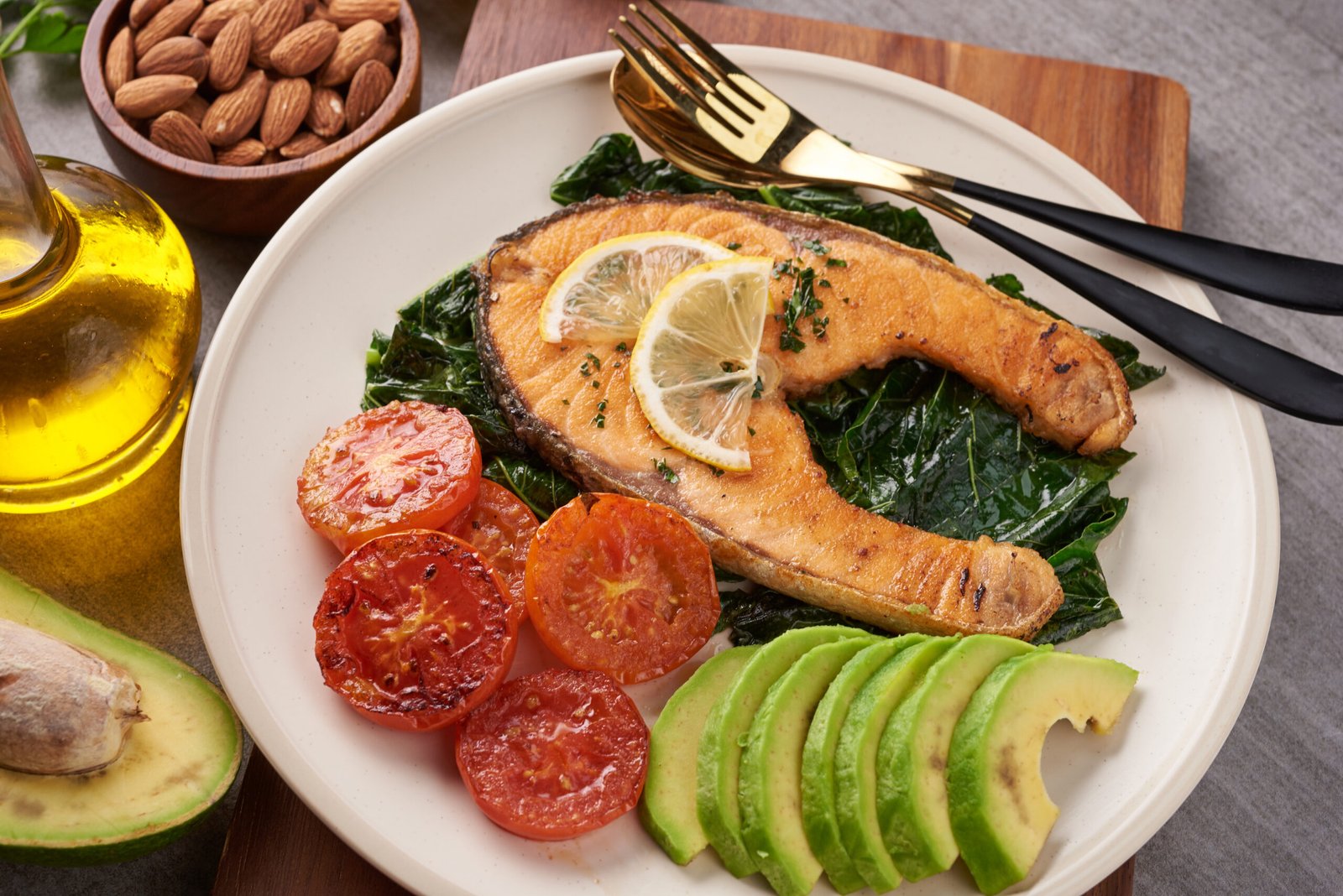
What is the Keto Diet, and How Does It Work?
The Keto Diet Guide For Beginners guide you how to transform your body to a healthy one as the ketogenic diet involves a very low carbohydrate, high fat, and moderate protein eating plan that is designed to switch your body’s primary energy source from glucose to fatty acids. Your body enters ketosis when you reduce your carbohydrate consumption to under 50 grams a day.
During ketosis your liver converts fatty acids into ketone molecules,which are the primary energy source for both your body and brain. This metabolic shift can result in significant fat loss, improved mental clarity and sustained energy throughout the day.
Standard macronutrients for a ketogenic diet are typically as follows: 70-75% of calories come from fat, 20%-25% from proteins, and only 5%-10% from carbohydrates. This drastic shift requires careful planning but can produce impressive results if done correctly.
Note: If you’re struggling to see results on Keto, you’re not alone. When I started my journey to lose 40 kg with PCOS, I realized that generic advice doesn’t work for hormonal weight loss. I’ve put together a complete, step-by-step [2026 Keto Guide] that reveals the exact protocol I used to reset my metabolism and balance my hormones naturally. Make sure to read it alongside this post to fast-track your results!
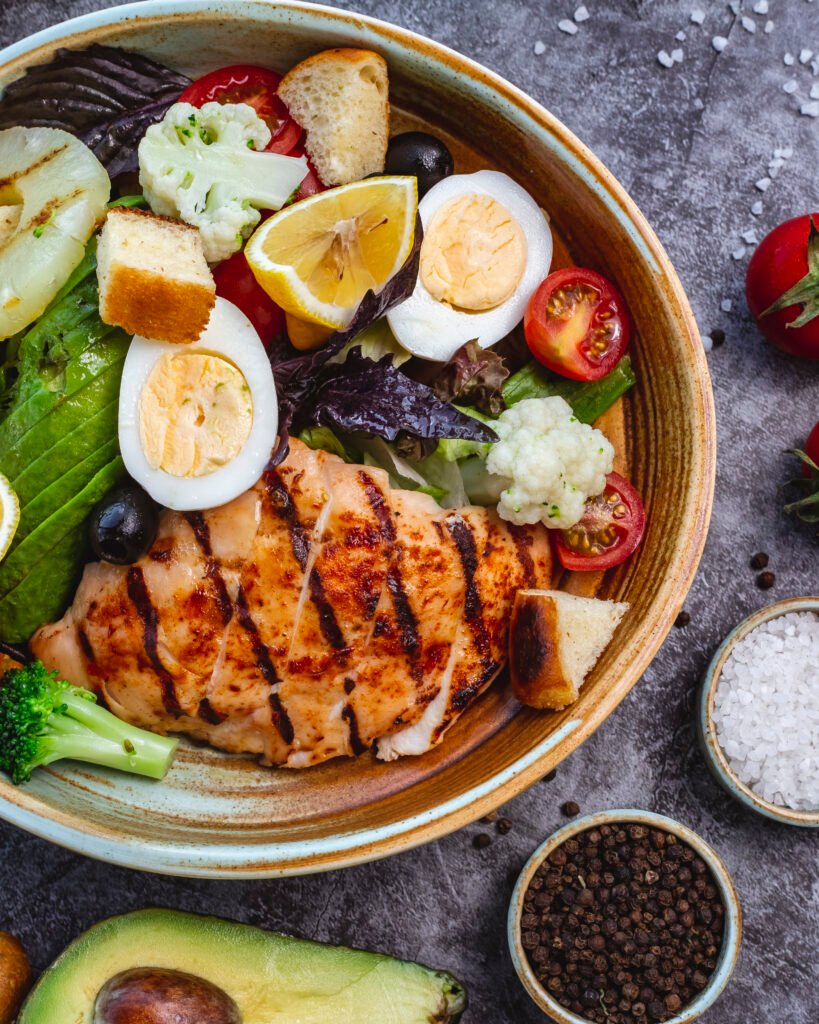
Science-Backed Benefits of the Keto Diet:
Weight Loss and Fat Burning:
Weight loss is the primary reason people follow a ketogenic diet, and studies have proven its effectiveness. Your body will begin to burn stored fat as fuel when you limit carbohydrates. As the body loses water, many people see rapid weight loss. This is followed by a steady loss of fat as ketosis continues.
Studies show that low-fat diets are less effective at weight loss, especially in the first 3 to 6 months. High-fat diets also reduce hunger hormones and make it easier to maintain caloric deficits without feeling deprived.
Improved Mental Clarity and Focus
Ketones are a fuel that many keto dieters have found to be more effective in enhancing cognitive function and mental clarity. This stable fuel source, which is used by the brain to generate energy, eliminates blood sugar fluctuations that cause fatigue and brain fog on high-carbohydrate diets.
Blood Sugar Control and Insulin Sensitivity
The keto diet is particularly helpful for people with prediabetes or type 2 diabetes. You can naturally lower blood sugar spikes by reducing carbohydrate consumption. This will also reduce the need for insulin. Under medical supervision, some people have been able to reduce or eliminate their diabetes medication while on a ketogenic eating plan.
Increased Energy and Endurance
Many people report feeling more energetic throughout the day after the initial adjustment period. You can maintain a steady energy level that supports both mental and physical performance without the roller coaster of blood glucose highs and lows.
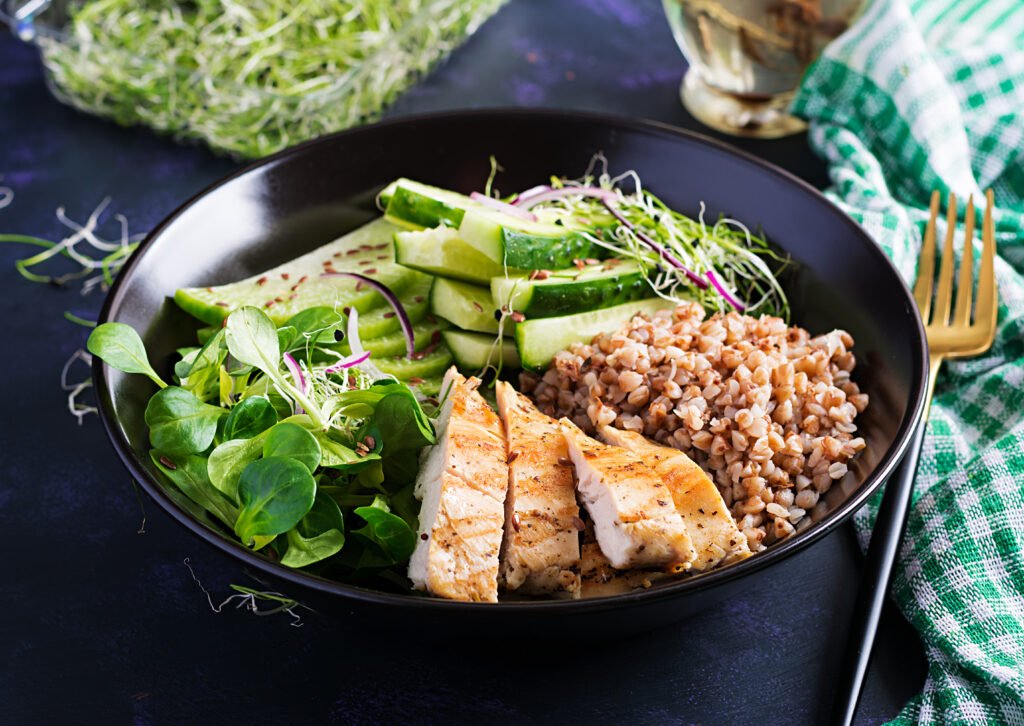
Keto Diet Foods: What to Eat and What to Avoid
Foods to Embrace on Your Keto Journey
You will be successful if you plan your meals around low-carb, nutrient-dense foods.
Healthy Oils and Fats: Avocado oil, olive oil, coconut oil, MCT oil, grass-fed butter and ghee are the basis of your fat intake. These oils provide essential fatty acids and can help you to meet your high fat requirements.
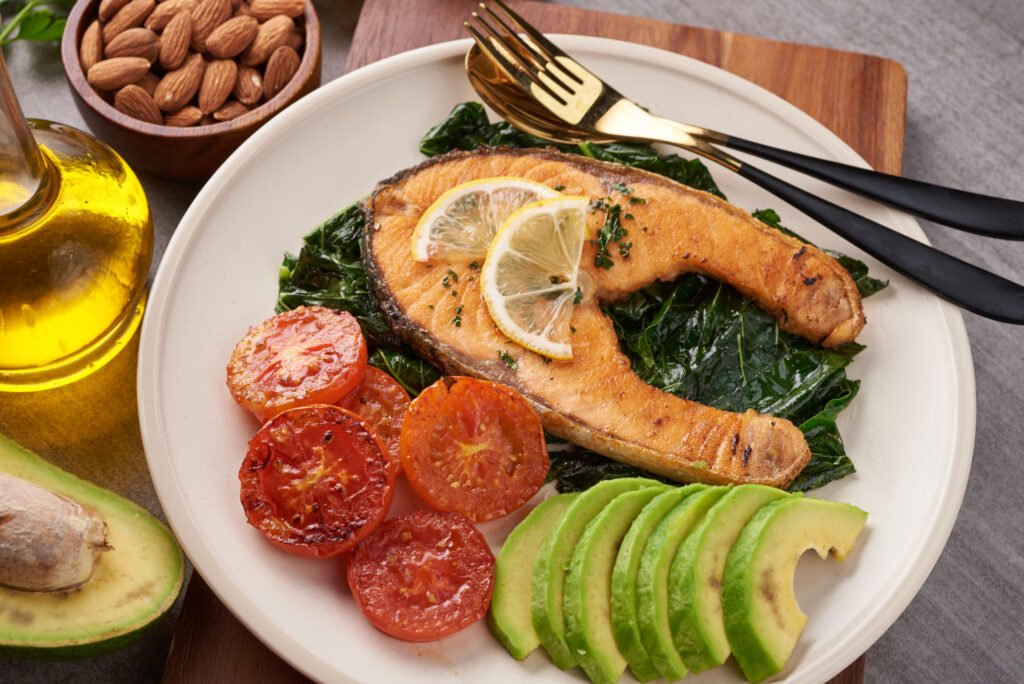
Sources of Protein: Choose fatty fish such as salmon, mackerel and sardines. Quality protein is found in grass-fed beef and pork, lamb, chicken legs, eggs, full-fat milk, and dairy products.
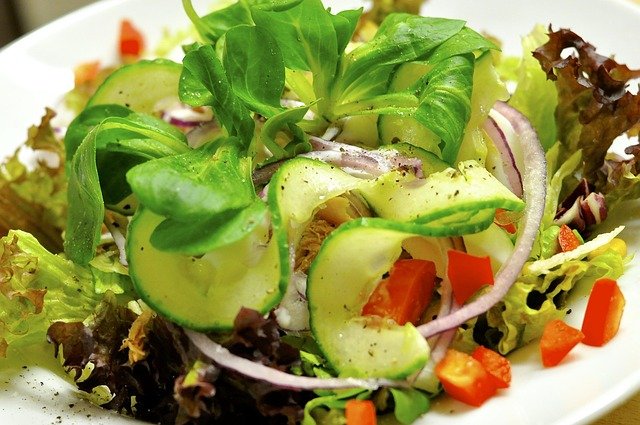
Low-Carb Vegetables: Leafy greens like spinach, kale and arugula, along with cruciferous veggies such as broccoli, cauliflower and Brussels sprouts, offer fibre and micronutrients without a lot of carbs. Zucchini is a great choice, as are bell peppers and asparagus.
Nuts & Seeds: Almonds, chia seeds and flaxseeds are rich in fibre, healthy fats and protein. These foods can have moderate amounts of carbs.
Berries: Small amounts of strawberries, raspberries and blackberries can satisfy sweet cravings while being relatively low in carbohydrates compared to other fruit.
Dairy products: Heavy cream, sour cream, Greek yoghurt, and full-fat cheese (unsweetened) add richness to your meals.
Foods to Strictly Avoid:
If you want to be successful on keto, you must eliminate high-carbohydrate foods.
Grains & Starches: All wheat-based products, including bread, pasta, cereals, oats and quinoa, must be avoided. These dense carbohydrate sources will prevent ketosis.
Sugar-sweetened Foods: All sugary foods and sweeteners are off limits. This includes table sugar, honey, maple syrup, agave, sugary drinks, cookies, cakes and candy. Even natural sugars can spike blood glucose levels and stop fat burning.
Fruits: Apples, bananas, oranges and tropical fruit contain too much sugar to be consumed on a ketogenic eating plan. Only eat small amounts of berries.
Starchy Vegetables: Sweet potatoes, corn and peas are too high in carbohydrates for keto.
Legumes: Although legumes are high in protein, they also contain significant amounts of carbohydrates, making them unsuitable for ketogenic diets.
Low-Fat Products: Reduced-fat dairy, lean beef, and low-fat salad dressings are to be replaced by full-fat products in order to meet macronutrient requirements.
Your 7-Day Keto Meal Plan for Beginners
This simple meal plan will take the guesswork out of your first week. The goal is to stay under 25 grams per day of net carbohydrates while still providing delicious, satisfying meals.
Day 1: Easing Into Ketosis
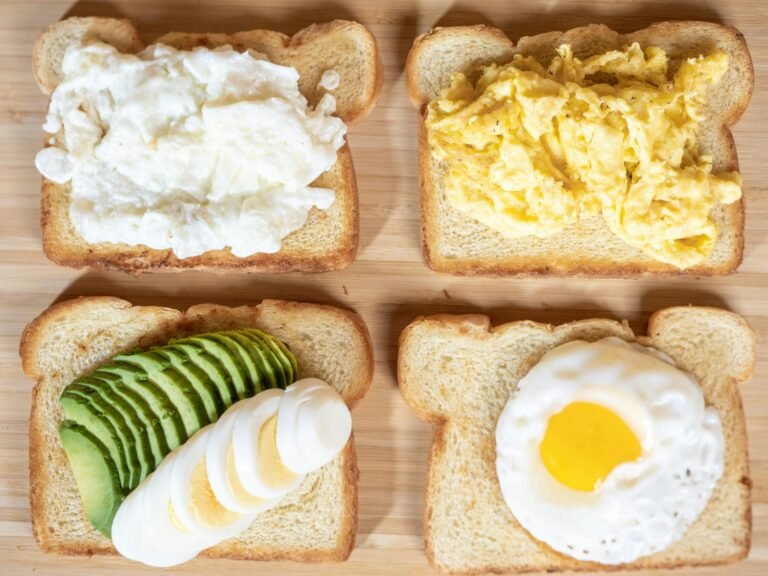
Breakfast: Scrambled Eggs cooked in butter, with spinach and feta with half an Avocado
Lunch: Grilled Chicken Caesar Salad with romaine lettuce, Parmesan cheese and full-fat Caesar dressing (no croutons).
Dinner: Pan-seared salmon with garlic butter and roasted asparagus. Also served is cauliflower mash.
Snack: Celery Sticks with Almond Butter
Day 2: Building Momentum
Breakfast: Keto smoothie with unsweetened almond milk, spinach, half an avocado, protein powder, and ice
Lunch: Lettuce wrap tacos with seasoned ground beef, shredded cheese, sour cream, and salsa
Dinner: Grilled ribeye steak with sautéed mushrooms in butter and a mixed green salad with olive oil vinaigrette
Snack: String cheese and a handful of macadamia nuts
Day 3: Finding Your Rhythm
Breakfast: Keto pancakes made with almond flour and cream cheese, topped with sugar-free syrup and butter
Lunch: Tuna salad made with mayo, served on cucumber slices or lettuce cups
Dinner: Baked chicken thighs with crispy skin, roasted Brussels sprouts with bacon, and cauliflower rice
Snack: Pork rinds with guacamole
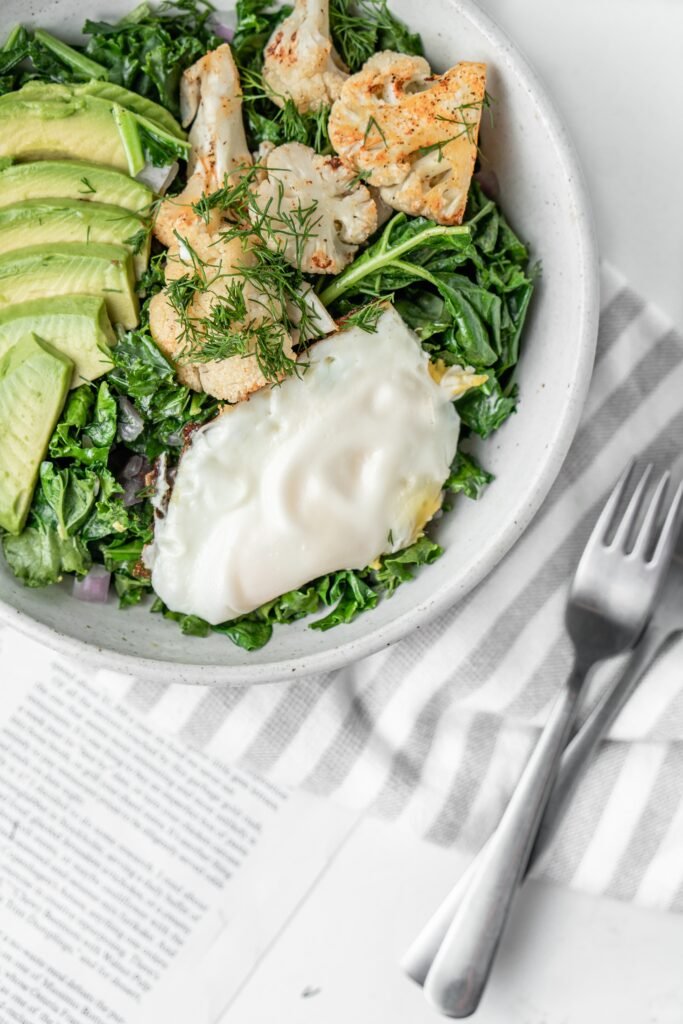
Day 4: Staying Consistent
Breakfast: Omelet with cheese, bell peppers, and sausage
Lunch: Cobb salad with hard-boiled eggs, bacon, avocado, blue cheese, and ranch dressing
Dinner: Zucchini noodles (zoodles) with meatballs in a creamy alfredo sauce
Snack: Full-fat Greek yogurt with a few raspberries and chia seeds
Day 5: Maintaining Ketosis
Breakfast: Bulletproof coffee (coffee blended with butter and MCT oil) and a side of bacon
Lunch: Bunless burger with cheese, lettuce, tomato, and mayo, served with a side salad
Dinner: Pork chops with a creamy mushroom sauce, steamed broccoli with butter
Snack: Beef jerky (sugar-free) and cheese cubes
Day 6: Cementing Habits
Breakfast: Smoked salmon with cream cheese on cucumber rounds, sprinkled with everything bagel seasoning
Lunch: Leftover pork chops sliced over a bed of mixed greens with avocado and olive oil
Dinner: Baked cod with lemon butter, sautéed spinach with garlic, and roasted radishes
Snack: Dark chocolate (85% cacao or higher) and almonds
Day 7: Completing Your First Week
Breakfast: Keto egg muffins made with eggs, cheese, ham, and vegetables, baked in advance
Lunch: Chicken salad with mayo, celery, and pecans, served in lettuce wraps
Dinner: Slow-cooked pot roast with radishes and carrots (small amount), topped with gravy
Snack: Pepperoni slices and mozzarella cheese

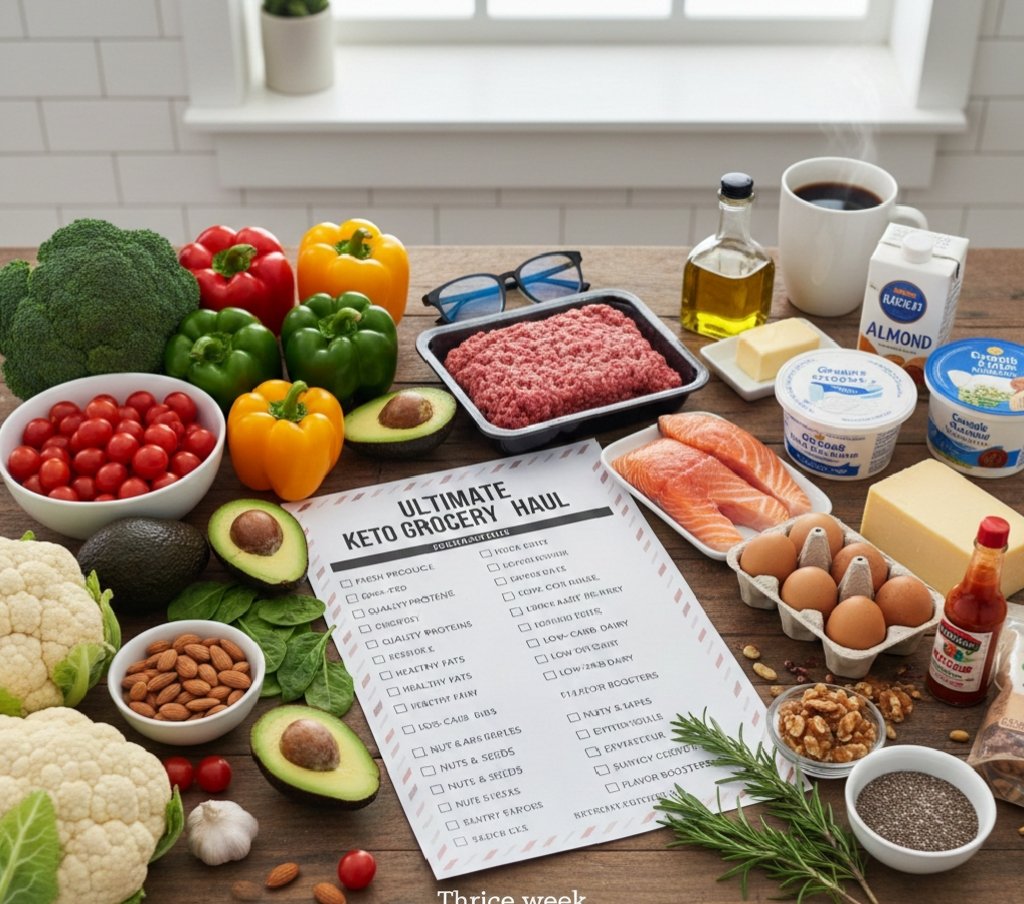
Essential Keto Grocery Shopping List:
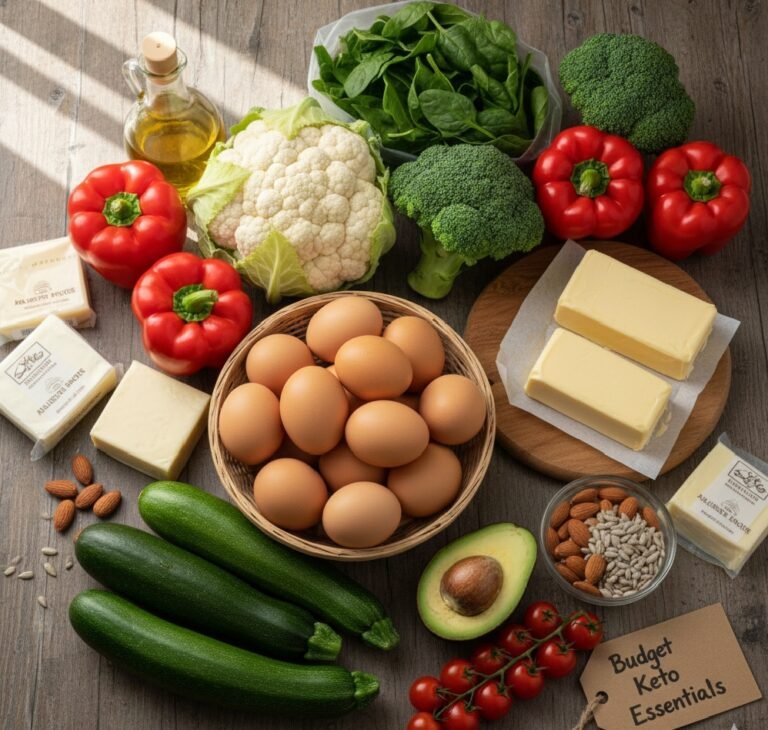
Make meal preparation easier by planning your shopping around keto-friendly ingredients. This list is handy to print and take with you on your weekly shopping trips. Check my keto on a budget article to save money!
Proteins: salmon fillets and pork chops.
Oils and Fats: Coconut oil, avocado oil (ghee), MCT oil, butter, mayonnaise, and MCT oil.
Dairy: Heavy cream, sour cream, cream cheese, cheddar cheese, mozzarella, parmesan, full-fat Greek yogurt
Vegetables: Spinach, kale, lettuce, broccoli, cauliflower, zucchini, bell peppers, asparagus, mushrooms, avocados
Nuts & Seeds: Almonds (macadamia), pecans (pecans), walnuts (walnuts), chia seeds, flaxseeds, hemp hearts
Pantry Staples: Almond, coconut, and sugar-free sweeteners, (erythritol or stevia), bone broth, unsweetened almond, apple cider vinegar
Condiments: Hot sauce, mustard, sugar-free ketchup, pickles, olives, salsa (check carbs)
Understanding and Managing Keto Flu:
You may experience temporary keto flu symptoms as your body switches from burning glucose to fat. This is an adaptation phase which usually lasts from a few days up to a week.
Common Keto Flu symptom:
As your body adjusts to ketosis, you may experience headaches, fatigue, irritability and difficulty concentrating. You may also experience nausea, cramps or trouble sleeping. These symptoms are caused by your body adjusting to a new fuel source and depleting its glycogen stores.
How to minimize Keto flu discomfort:
Increase your intake of electrolytes. When you reduce carbohydrates, your body releases electrolytes and water, especially sodium, potassium and magnesium. These minerals can reduce or eliminate symptoms of keto flu.
Eat more potassium-rich food like spinach and avocados, or add salt to your meals. It is also important to stay hydrated. Aim for eight glasses of water a day.
Do not drastically reduce your calories in the first week. While your body adjusts, focus on achieving your macros. Eat until you are satisfied. Rest and light exercise, such as walking, can help with the transition.
Tracking Macros and Using a Keto Calculator
At least initially, success on the ketogenic diet depends on monitoring your macronutrient intake. Beginners benefit from tracking their macronutrient intake to stay in ketosis.
Calculating your Personal Macros
The ideal macro-breakdown depends on age, gender and weight. It also depends on the goals you have. The keto calculator can help you determine your needs by calculating total daily energy spending and adjusting it for desired caloric surplus or deficit.
Beginners usually start by following these guidelines: Keep net carbs below 20-25 grams per week to ensure ketosis. Consume 0.7-1 gram of protein for every pound of body weight to maintain muscle mass. Fill the remainder of your calories up with healthy fats.
The Best Tracking Apps
MyFitnessPal is a popular app that makes tracking simple. For the first couple of weeks, log everything you eat to better understand carbohydrate content and portion sizes. You may be surprised to find out how many carbs are hidden in foods that seem innocent.
Dining Out and Social Situations on Keto
Keeping a ketogenic lifestyle does not mean you have to avoid restaurants and social events. You can still enjoy eating out and stay in ketosis by following a few simple strategies.
Restaurant Strategies
Most restaurants will accommodate low-carb orders. You can order burgers with no buns. Ask for extra vegetables in place of rice or fries. Choose roasted or grilled proteins and butter sauces. Request dressings and sauces to be served on the side.
Keto-friendly restaurants include steakhouses, Mexican restaurants (omit the rice and tortillas) and seafood restaurants. Even fast food chains have options such as bunless burgers and salads with grilled poultry.
Social Event Navigation
Eat a low-carb meal before attending a party or gathering with family so that you are not tempted by the high-carb food. Bring along a dish that is keto-friendly and you enjoy. Avoid bread, pasta and desserts at buffets and focus on vegetables, nuts, cheese and proteins.
Confidence in your diet is more important than preaching about keto. If someone asks you why you aren’t eating cake, a simple “I am avoiding carbohydrates right now” will usually do.
Common Keto mistakes to avoid
You’re Not Eating Enough Fatty Food
Beginners often struggle to consume sufficient fat, particularly if they have been trained to fear dietary oil. Keep in mind that fat is the primary fuel source for keto. You’ll be hungry and tired if you don’t eat enough.
Eating Too Much Protein
Protein is essential, but excessive amounts of it can be converted into glucose by a process known as gluconeogenesis. This could interfere with ketosis. Focus on a moderate intake of protein based on your needs for lean mass.
You Can’t Forget About Electrolytes
One of the main reasons people quit keto is because they feel awful. Make replenishing electrolytes a daily priority.
Consuming Hidden Carbs
Even some medicines and processed meats contain sugars and carbohydrates. When dining out, always read the labels and ask about ingredients.
Don’t Give Up Too Soon
Usually, it takes two to four weeks for your body to become fat-adapted. Many people give up during the difficult adaptation phase just before they start to see the benefits.
Even some medicines and processed meats contain sugars and carbohydrates. When dining out, always read the labels and ask about ingredients.
Are you required to test for ketosis?
Some people, although it’s not necessary to do so, find it motivating. There are three methods: breath meters, urine strips, and blood ketone meters.
Urine strips may be the least expensive option, but they become less accurate with time. Breath meters are a good middle ground. The gold standard in accuracy is the blood ketone meter, but it requires finger pricks to test and expensive strips.
Most beginners will find that tracking macros and observing how you feel is sufficient. Ketosis is characterised by decreased appetite, increased mental clarity, and weight reduction.
Keto Diet Frequently Asked Question:
Q. How long does it usually take to reach ketosis?
A. Most people reach ketosis in two to four days after reducing their carbohydrate intake to 20-25 grams per person. This timeline can be affected by factors such as activity level, diet and metabolic health. It can take a person up to a full week to transition to ketosis.
Q. What foods can I have on the keto diet?
A. keto diet emphasises foods high in fat, such as avocados, fatty seafood, eggs, dairy products with full fat, nuts, seeds and healthy oils. The keto diet includes moderate protein, such as meat, poultry and seafood, along with low-carb vegetables like leafy greens and broccoli. The only exception is berries, which are allowed in small portions. All other foods, including grains, sugars and starchy vegetables, are to be avoided.
Q. What are the side effects of keto?
A. Many people will experience the “keto flu” during the first week. This includes nausea, headaches, fatigue and irritability. As your body adjusts to burning glucose instead of fat, you may experience these symptoms. Electrolytes, particularly sodium, potassium and magnesium, can reduce the side effects. Staying hydrated and getting enough rest can also help ease the transition.
Q. Can I do a ketogenic diet if I’m a vegetarian or vegan?
A. It is possible, but it takes more planning. Vegetarians are able to rely on avocados, eggs, low-carb vegetables, avocados and full-fat dairy. Vegans have more challenges, but they can still succeed by using coconut products, almonds, seeds, avocados and low-carb veggies. It is important to keep track of macros in order to maintain ketosis and get enough protein.
Q. How much weight can you lose on keto?
A. Weight loss can vary greatly depending on the starting weight, calorie intake, level of activity, and metabolism. Most people lose between five and ten pounds during the first week. This is mostly due to water weight. A safe and sustainable weight loss rate after that is between one and two pounds per week. Some people lose weight faster than others at first.
Q. Do I have to count my calories when on keto?
A. While many people find that the ketogenic diet reduces their appetite, it is still beneficial to count calories, especially when weight loss stagnates. High-fat meals are very filling, leading to a spontaneous reduction in calories. It’s possible to overeat keto. Tracking can help you ensure that you are meeting your goals.
Q. Can I cheat on keto?
A. Some people can benefit from a strategic refeed, but frequent cheating days may prevent you from achieving fat adaptation and trigger intense cravings for carbs. You must adapt to ketosis each time you eat high-carbohydrate foods. You should not let a few higher-carb meals turn into a weekend of cheating.
Q. Is the ketogenic diet safe to follow for a long time?
A. The research on long-term diets that are ketogenic is still in its early stages, but people have been following ketogenic diets for many years with great success. It is important to work with your healthcare provider in order to monitor cholesterol, kidney function and other health indicators, especially if pre-existing medical conditions are present. After reaching their goal, some people choose to cycle into and out of ketosis. Others prefer to transition to a low-carb diet that is less restrictive.
Q. Can I lose muscle mass on keto?
A. The keto diet can preserve muscle mass effectively when done properly with resistance training and adequate protein intake. Some studies indicate that keto diets may support muscle retention betterthan high-carbohydrate diets. To maintain and build muscle, aim for 0.7-1 gram of protein per pound of lean body mass.
Q. How can I tell if keto works?
A. Keto works in many other ways than just weight loss. It can also improve mental clarity, focus, and sleep quality and reduce inflammation. In the first week, many people notice improvement in their skin, digestion, and general well-being.
Ketogenic Living: Your First Steps
The keto diet is a major shift in the way you fuel your body. But with realistic expectations and proper preparation, it can be a sustainable and enjoyable lifestyle. Focus on whole foods that are nutrient dense, stick to your macros and prioritise electrolyte imbalance. Give your body some time to adjust.
Everyone’s journey to keto looks different. Others need time to see results, while others experience quick changes. Listen to your body and adjust your approach according to how you feel. Many people find that the combination of fat reduction, energy stability, and mental clarity they experience with keto is worth the initial adjustment.
Stock your kitchen with the keto staples on the provided grocery list and give it at least four weeks to see if this nutritional approach is right for you. You’ll reap the benefits of a ketogenic lifestyle with patience and consistency.



2 Comments