If you have ever spent £15 on premium almond flour and organic eggs only to pull a heavy, brick-like “loaf” out of the oven, you are not alone. Transitioning from traditional wheat baking to keto chemistry is the most common place where beginners fail.
During my 12-month journey to lose 40 kg, mastering the perfect keto bread was my secret weapon. It allowed me to enjoy sandwiches and toast without the insulin spikes that triggered my PCOS symptoms. However, getting that “real bread” texture requires understanding the unique science of gluten-free, low-carb ingredients.
Note: If you’re struggling to see results on keto, you’re not alone. When I started my journey to lose 40 kg with PCOS, I realized that generic advice doesn’t work for hormonal weight loss. I’ve put together a complete, step-by-step [2026 Keto Guide] that reveals the exact protocol I used to reset my metabolism and balance my hormones naturally. Make sure to read it alongside this post to fast-track your results!
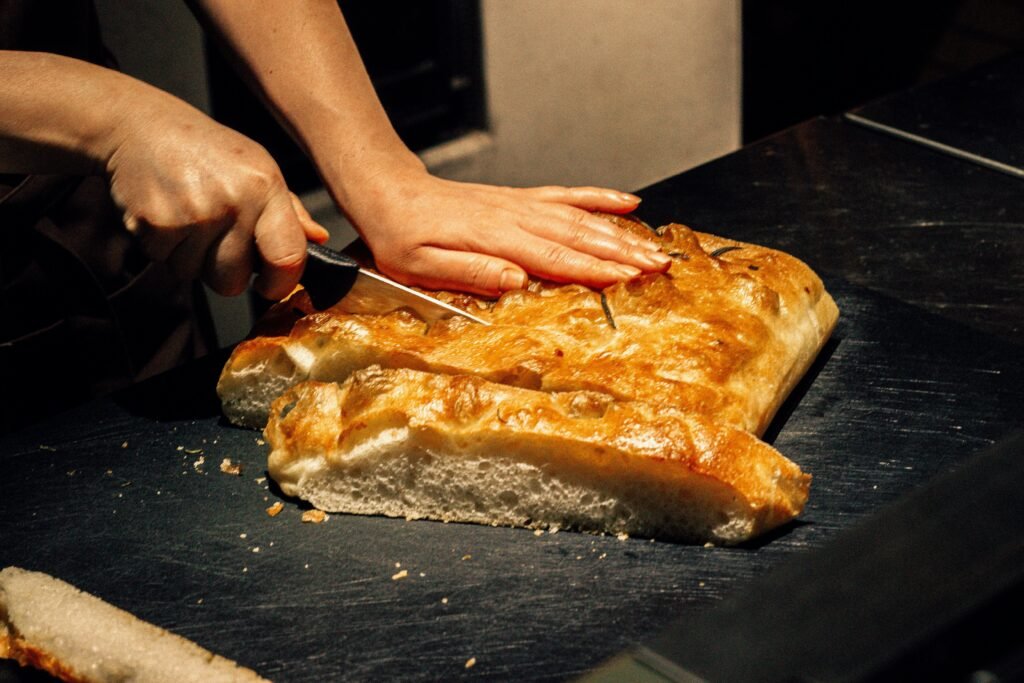
The Science of Density: Why Your Keto Bread Isn’t Rising
Traditional bread relies on gluten to create a stretchy web that traps air bubbles. Without gluten, we must use alternative binders like eggs and psyllium husk. When these fail, the result is “dense” bread.
1. The Cooling Rule (The Most Common Mistake)
The most frequent reason for dense, gummy bread is slicing it before it has completely cooled. Keto bread continues to “set” its internal structure through residual heat.
- The Fix: You must cool your bread on a wire rack for 2 to 3 hours before cutting into it. Slicing early releases steam, which collapses the air pockets and leaves you with a wet, dense texture.
2. The Temperature Factor: Cold Eggs vs. Room Temperature
Keto baking is highly sensitive to temperature. If you use eggs straight from the fridge, they will not emulsify properly with your fats.
- The Fix: Always use room-temperature eggs. Warm eggs whisk into a higher volume, creating the “lift” needed to overcome the weight of heavy nut flours.
If you have ever spent £15 on premium almond flour and organic eggs only to pull a heavy, brick-like “loaf” out of the oven, you are not alone. Transitioning from traditional wheat baking to keto chemistry is the most common place where beginners fail.
During my 12-month journey to lose 40 kg, mastering the perfect keto bread was my secret weapon. It allowed me to enjoy sandwiches and toast without the insulin spikes that triggered my PCOS symptoms. However, getting that “real bread” texture requires understanding the unique science of gluten-free, low-carb ingredients.
The Science of Density: Why Your Keto Bread Isn’t Rising
Traditional bread relies on gluten to create a stretchy web that traps air bubbles. Without gluten, we must use alternative binders like eggs and psyllium husk. When these fail, the result is “dense” bread.
1. The Cooling Rule (The Most Common Mistake)
The most frequent reason for dense, gummy bread is slicing it before it has completely cooled. Keto bread continues to “set” its internal structure through residual heat.
- The Fix: You must cool your bread on a wire rack for 2 to 3 hours before cutting into it. Slicing early releases steam, which collapses the air pockets and leaves you with a wet, dense texture.
2. The Temperature Factor: Cold Eggs vs. Room Temperature
Keto baking is highly sensitive to temperature. If you use eggs straight from the fridge, they will not emulsify properly with your fats.
- The Fix: Always use room-temperature eggs. Warm eggs whisk into a higher volume, creating the “lift” needed to overcome the weight of heavy nut flours.

The Psyllium Husk Problem: Why Is My Bread Purple?
One of the most frequent questions I get on KetoExpert.co.uk is, “Why did my bread turn purple or grey?” This is a harmless chemical reaction between the psyllium husk and the pH levels in your baking powder. While it looks strange, it does not affect the taste or nutrition.
- How to prevent purple bread: * Use golden psyllium husk instead of dark varieties.
- Add 1/2 teaspoon of cream of tartar or a splash of apple cider vinegar to the batter to balance the pH.
Can I skip psyllium husk?
Yes, but the texture will change. Psyllium provides the “chew” that makes keto bread feel real. If you must avoid it, you can use ground flaxseed (3 tablespoons) or xanthan gum (2 teaspoons), though these won’t replicate the “bread-like” stretch perfectly.
Storage: How to Keep Your Keto Bread Fresh
Because keto bread contains eggs and healthy fats with no preservatives, it spoils faster than store-bought bread.
- Room Temperature: 2 to 3 days.
- Refrigerated: 7 to 10 days.
- Frozen: 2 to 3 months.
- Expert Tip: Slice your bread before freezing. This allows you to grab a single slice and pop it directly into the toaster whenever you need a quick snack.
Why This Bread Was My Secret to Losing 40kg
When fighting PCOS and insulin resistance, sustainability is everything. Most people quit keto because they miss the convenience of bread. By mastering this “Real Texture” recipe, I was able to maintain my 12-month journey without feeling deprived.
This bread is excellent for diabetics and PCOS patients because it contains only 2 to 4 grams of net carbs per slice, compared to 15-20 grams in standard wheat bread. It prevents the glucose spikes that lead to fat storage and brain fog.
FAQ: Frequently Asked Questions
- Is keto bread healthy?
- Yes, especially homemade versions made with almond flour and eggs, which provide vitamin E and magnesium without inflammatory gluten.
- Can I use a bread machine?
- It is not recommended. Keto dough is thicker and doesn’t require the kneading process of a standard machine.
- Why is my bread “eggy”?
- This usually happens if you use too many eggs or don’t use enough dry ingredients like psyllium husk to balance the moisture.
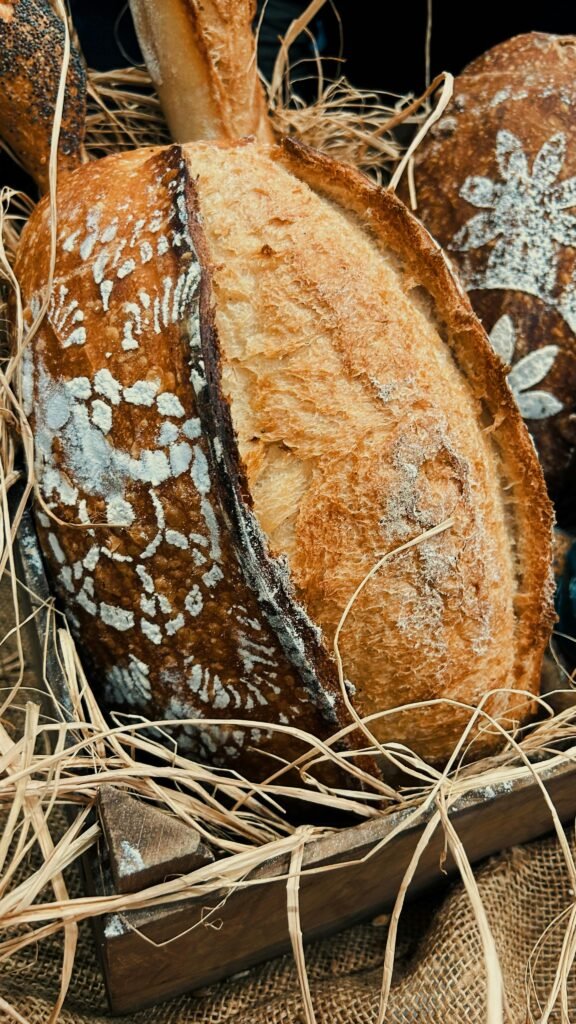
Conclusion: Don’t Give Up on the Loaf!
“This bread was instrumental in helping me overcome one of the obstacles that prevented my PCOS weight loss for years. Read about all seven obstacles I had to fix before I could finally lose weight with PCOS.”
Keto baking is a skill that takes time to master. If your first loaf was dense, use these 5 fixes to adjust your next batch. Remember: cool it completely, use room-temperature eggs, and measure your flour precisely.
Ready to try your next recipe?
- Read my full [12-Month 40 kg Transformation Story] to see how I used this bread to beat PCOS.
- Check out my [30 Best High-Protein Keto Snacks] for more meal prep ideas.
- If you are looking for homemade keto recipes, read the guide. here you will find tasty, easy-to-make keto recipes
- Subscribe for more trendy, tasty, timesaving, budget-friendly, low-carb and high-protein keto snacks. If you have any queries or want to tell the world about your keto journey, we are here to publish your keto story.