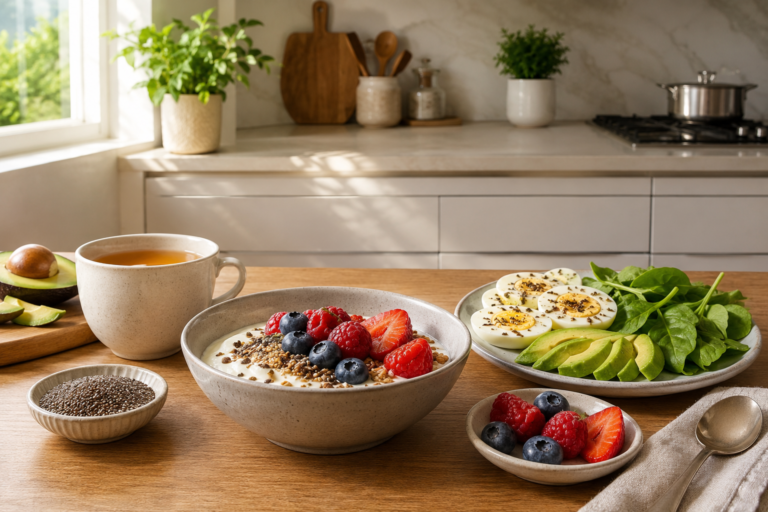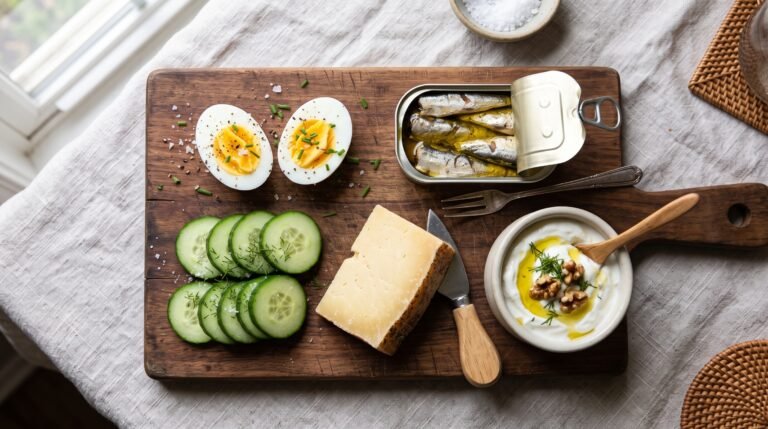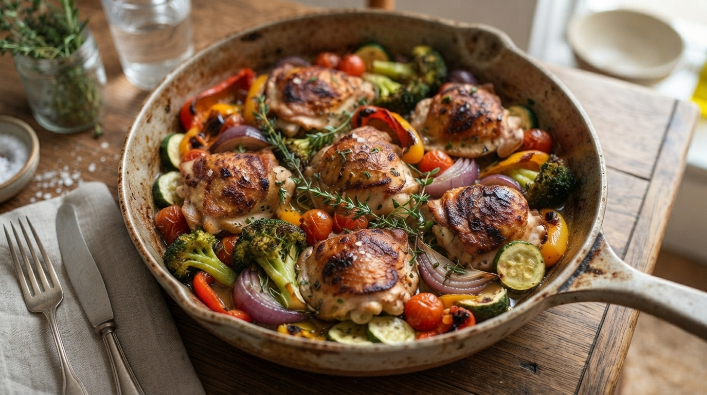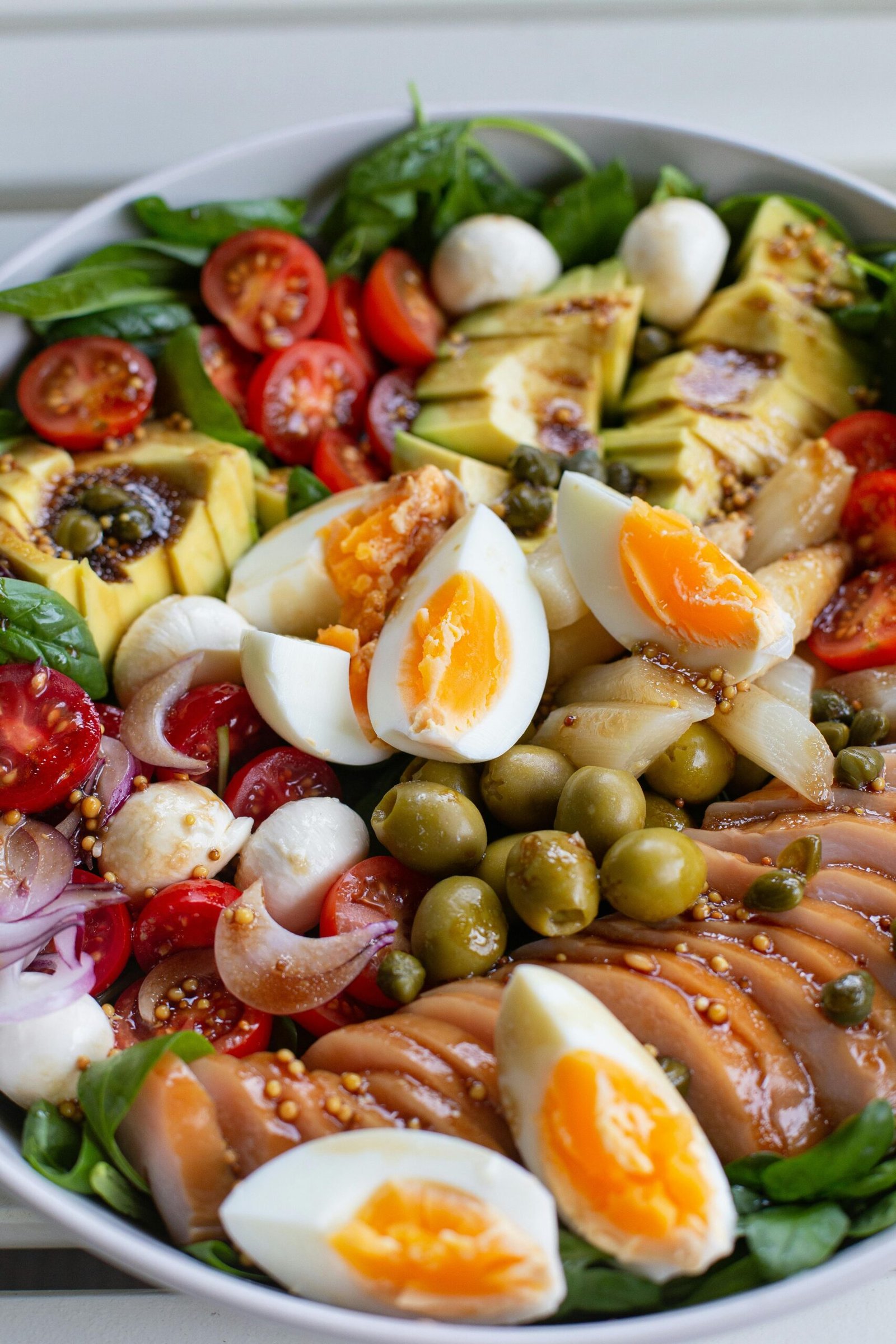
Why High-Protein Breakfast Changed Everything for My PCOS
For years, I started every day with what I thought was a “healthy” breakfast—whole wheat toast with jam or oatmeal with honey. By 10 AM, I’d be ravenous again, shaky, and desperately craving sugar. I didn’t understand that those breakfasts were spiking my insulin within minutes, making my PCOS insulin resistance worse and keeping me trapped in a cycle of constant hunger and weight gain.
Everything changed when I discovered high-protein PCOS breakfast ideas. Instead of toast that left me hungry an hour later, I started eating 25-30 grams of protein first thing in the morning. The difference was shocking. My energy stabilised. My cravings disappeared. My blood sugar stopped the rollercoaster. And over 12 months, I lost 40 kg, starting with this one breakfast change.
High-protein breakfasts work specifically for PCOS because they address our core problem: insulin resistance. When you eat protein instead of carbs first thing in the morning, your insulin stays low, your body can access stored fat for energy, and your hormones finally have a chance to balance. This isn’t theory—it’s exactly what happened in my body, meal after meal, for an entire year.
Note: If you’re struggling to see results on Keto, you’re not alone. When I started my journey to lose 40kg with PCOS, I realized that generic advice doesn’t work for hormonal weight loss. I’ve put together a complete, step-by-step [2026 Keto Guide] that reveals the exact protocol I used to reset my metabolism and balance my hormones naturally. Make sure to read it alongside this post to fast-track your results!
The Science: Why PCOS Bodies Need Protein at Breakfast
Women with PCOS produce 50-70% more insulin than women without the condition. This isn’t just a number—it’s the reason standard breakfast advice fails us completely. Every time we eat carbohydrate-heavy breakfasts like cereal, toast, or fruit smoothies, we trigger massive insulin spikes that our already-resistant cells can’t handle properly.”Inadequate protein is one of seven major obstacles preventing PCOS weight loss that I had to overcome to finally lose 40kg.”
One of the biggest myths is that a PCOS-friendly Keto diet has to be expensive. In reality, some of the most powerful hormone-healing foods are sitting right in the canned aisle of your local supermarket. I’ve put together a full list of the best fish for PCOS weight loss including budget-friendly options for both UK and USA shoppers so you can heal your body without breaking the bank.”
What Happens With High-Carb Breakfasts
When I used to eat oatmeal or toast for breakfast, here’s what happened inside my body within 30 minutes: Blood sugar would spike to 160-180 mg/dL. My pancreas would panic and dump out insulin. But because I have PCOS, my cells are resistant to insulin—they don’t respond properly. So my pancreas makes even MORE insulin, creating dangerously high levels in my bloodstream.
That excess insulin does three terrible things. First, it tells my ovaries to produce more testosterone and other androgens, worsening my PCOS symptoms like acne and excess hair. Second, it signals my body to store every available calorie as fat, particularly around my belly. Third, it crashes my blood sugar within two hours, leaving me desperate for more carbs and starting the whole cycle again.
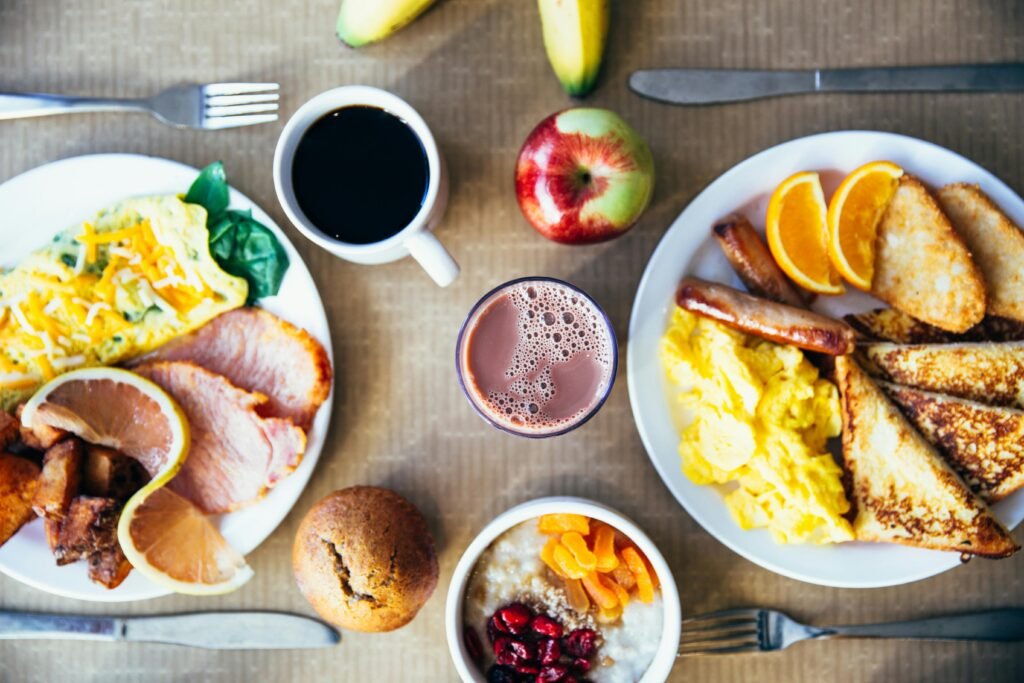
How High-Protein Breakfasts Fix This
Protein has almost zero impact on blood sugar. When I eat a 3-egg omelette with cheese instead of toast, my blood sugar barely moves—maybe to 95-100 mg/dL instead of 170. This means minimal insulin release. My body stays in fat-burning mode instead of fat-storage mode. My hunger hormones work properly for the first time in years. And I can easily go 5-6 hours until lunch without even thinking about food.
The protein also provides amino acids my body needs to produce hormones properly. PCOS disrupts hormone production, and we need adequate protein to make progesterone, thyroid hormones, and neurotransmitters like serotonin. Without enough protein, hormone balance is impossible no matter what else we do.
My Personal Results
Within the first week of switching to high-protein breakfasts, I noticed I wasn’t desperately hungry by 10 AM anymore. By week three, my constant sugar cravings vanished. By month two, my period came for the first time in six months. By month twelve, I’d lost 40 kg, and my testosterone levels had dropped from 85 ng/dL to 42 ng/dL—finally in the normal range.
What I Stopped Eating for Breakfast
Before I share what worked, here’s what nearly destroyed my PCOS weight loss efforts—breakfast foods I thought were healthy but were actually keeping me sick.
The Breakfast Mistakes That Kept Me Fat
Oatmeal (even steel-cut, even with protein powder):
Despite being marketed as healthy, oatmeal spiked my blood sugar to 165 mg/dL every single time. Adding protein powder helped slightly, but the base of processed grain was still triggering too much insulin. I completely eliminated all oats.
Whole wheat toast (any type of bread):
Whole wheat bread has a glycaemic index of 71—higher than table sugar at 65. Even my homemade keto bread, while better than wheat, wasn’t ideal for the first meal of the day when insulin sensitivity is already lower. I saved bread for later in the day or eliminated it entirely.
Fruit smoothies (even with greens):
A smoothie with banana, berries, and spinach might have 40+ grams of sugar and minimal protein. The liquid form meant even faster blood sugar spikes than eating whole fruit. I ditched fruit-based smoothies completely and switched to protein-based versions.
Granola and “healthy” cereals:
Every brand I tried, even the expensive health food store versions, had 25-40 grams of net carbs per serving. Granola is essentially dessert marketed as breakfast. Gone.
Yogurt parfaits with regular yogurt:
Flavoured yogurt has 20-30 grams of sugar. Even plain yogurt has 12 grams of lactose (milk sugar) per cup. Unless it was full-fat Greek yogurt with minimal carbs, it was spiking my insulin too much.
Breakfast bars and protein bars (most brands):
Checked the labels carefully—most had 20+ grams of sugar or were using cheap protein sources that didn’t keep me full. Only bars with 15+ grams of protein and under 5 grams of net carbs made the cut.
My High-Protein PCOS Breakfast Formula
After a year of trial and error, I discovered the perfect breakfast formula that kept me satisfied, balanced my hormones, and drove consistent weight loss.
The Numbers That Worked
Protein target: 25-35 grams minimum Fat: 15-25 grams (for satiety and hormone production) Net carbs: Under 10 grams (ideally under 5) Total calories: 350-500 Timing: Between 10 AM and 12 PM (I practiced 16:8 intermittent fasting)
Why These Macros Matter
The 25-35 grams of protein triggers muscle protein synthesis, signals satiety hormones, and provides stable energy for 5-6 hours. This isn’t arbitrary—research shows protein at this threshold maximises these benefits. The healthy fats slow digestion even further and provide building blocks for hormone production. The low carbs keep insulin minimal.
I aimed for this balance at every single breakfast for 12 months. Some days I hit 28 grams of protein, other days 32 grams—the exact number mattered less than consistently staying in this range. The real magic happened from repetition, not perfection.
25 High Protein PCOS Breakfast Ideas (What I Actually Ate)
These are the exact breakfasts I rotated through during my 40kg weight loss. Every option includes specific portions, protein counts, and preparation notes.
Egg-Based Breakfasts (25-30g Protein)
1. Classic 3-Egg Omelet
Ingredients:
- 3 large eggs (18g protein)
- 30g shredded cheddar cheese (7g protein)
- 1 cup spinach
- 1/2 diced bell pepper
- 1 tablespoon grass-fed butter for cooking
Total protein: 25g | Net carbs: 3g | Prep time: 8 minutes
My method: Whisk eggs with fork, pour into hot buttered pan, add vegetables and cheese when edges set, fold in half. I made this at least twice a week.
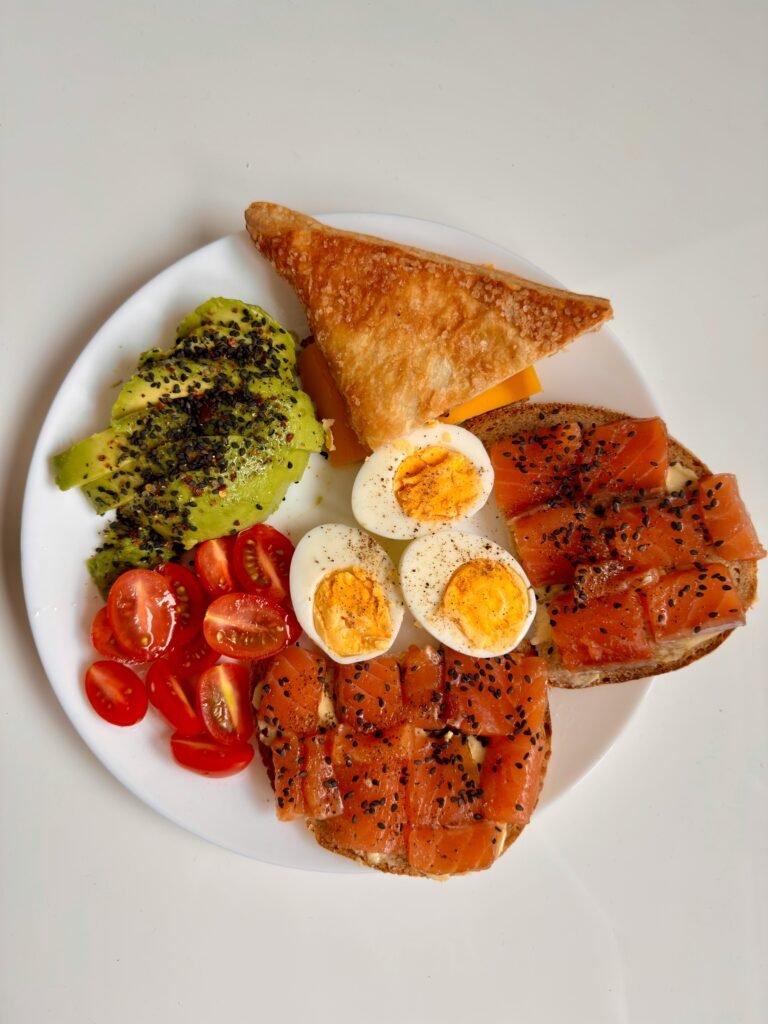
2. Scrambled Eggs with Smoked Salmon
Ingredients:
- 3 large eggs (18g protein)
- 60g smoked salmon (14g protein)
- 1 tablespoon cream cheese
- Fresh dill
- 1/2 avocado on the side
Total protein: 32g | Net carbs: 4g | Prep time: 6 minutes
Why this worked: The combination of eggs and salmon provided complete amino acids, plus omega-3s that reduced my inflammation dramatically. This was my Friday treat breakfast.
3. Egg Muffin Cups (Meal Prep)
Ingredients (makes 12 muffins):
- 12 large eggs (72g protein total, 6g per muffin)
- 100g cooked sausage, crumbled (20g protein)
- 1 cup diced vegetables (peppers, onions, mushrooms)
- 100g shredded cheese (24g protein)
- Salt, pepper, garlic powder
Per muffin: 10g protein | Net carbs: 2g
Meal prep tip: I made 12 every Sunday, stored in fridge for 5 days. Ate 3 muffins for breakfast = 30g protein. Microwave 60 seconds and done.
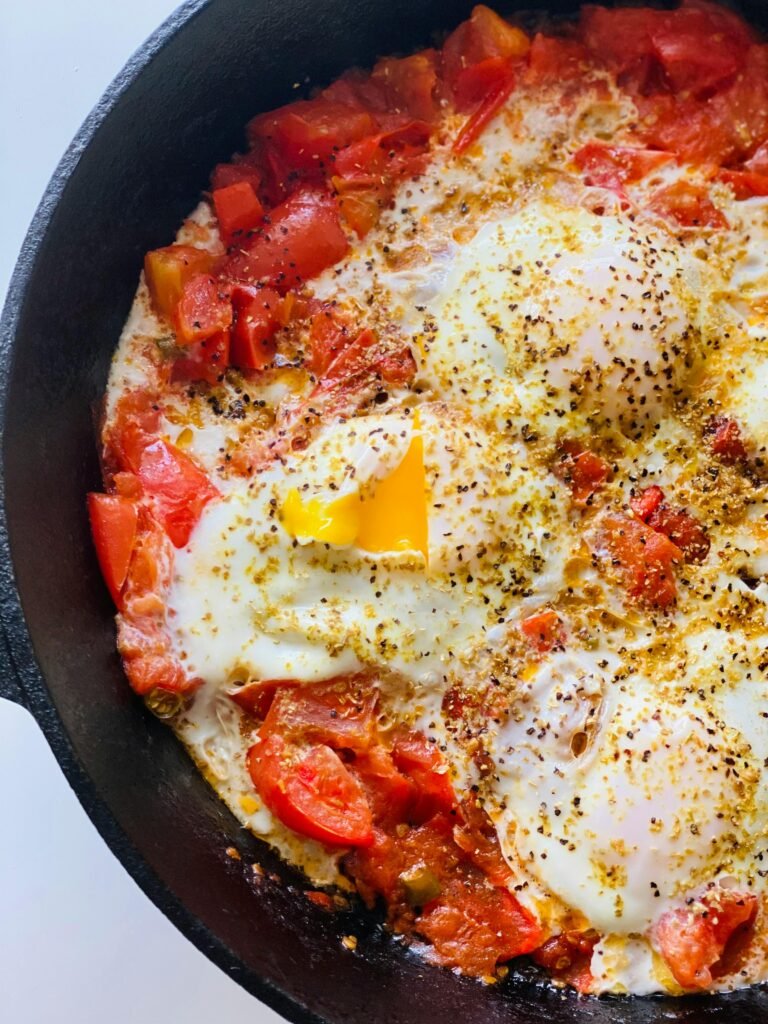
4. Shakshuka (Eggs in Tomato Sauce)
Ingredients:
- 3 large eggs (18g protein)
- 1 cup tomato sauce (homemade, no sugar)
- 50g crumbled feta cheese (8g protein)
- Cumin, paprika, chili flakes
- Fresh cilantro
Total protein: 26g | Net carbs: 8g | Prep time: 15 minutes
Cultural comfort: This Mediterranean dish felt indulgent but fit my macros perfectly. Weekend favorite.
5. Deviled Egg Plate
Ingredients:
- 6 hard-boiled egg halves (18g protein)
- 2 tablespoons mayo (olive oil-based)
- 1 teaspoon Dijon mustard
- Paprika, salt
- 4 slices prosciutto on the side (8g protein)
Total protein: 26g | Net carbs: 2g | Prep time: 5 minutes (if eggs pre-boiled)
Convenience factor: I kept hard-boiled eggs in fridge constantly. This breakfast took literally 5 minutes to assemble on rushed mornings.
Greek Yogurt & Cottage Cheese (20-28g Protein)
6. Ultimate Greek Yogurt Bowl
Ingredients:
- 200g full-fat Greek yogurt (20g protein)
- 2 tablespoons hemp seeds (6g protein)
- 1/4 cup blackberries
- 1 tablespoon almond butter
- Cinnamon and stevia
Total protein: 26g | Net carbs: 7g | Prep time: 3 minutes
Texture trick: I stirred yogurt until completely smooth, then added toppings. Made it feel more like a treat than “diet food.”
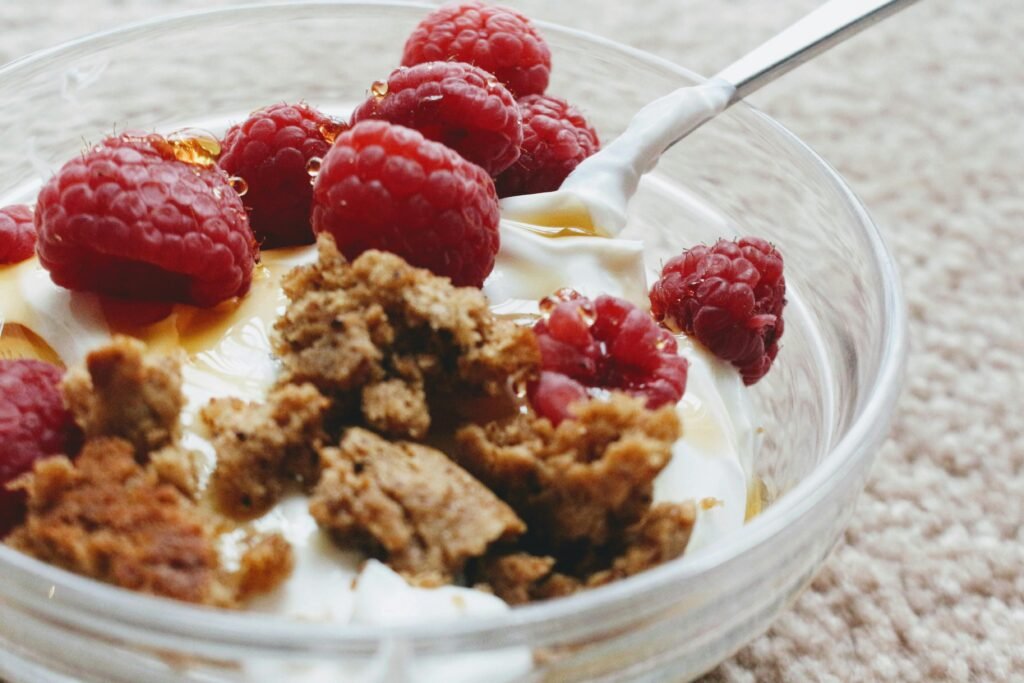
7. Cottage Cheese Protein Bowl
Ingredients:
- 200g full-fat cottage cheese (24g protein)
- 2 tablespoons ground flaxseed (3g protein)
- 5 walnut halves, chopped
- 1/4 cup raspberries
- Vanilla extract and cinnamon
Total protein: 27g | Net carbs: 6g | Prep time: 3 minutes
Discovery: I hated cottage cheese until I blended it smooth in a food processor. Game-changer. Texture became like thick yogurt.
8. Savory Cottage Cheese Plate
Ingredients:
- 200g cottage cheese (24g protein)
- 1/2 avocado, sliced
- Cherry tomatoes
- Everything bagel seasoning
- Olive oil drizzle
- Cucumber slices
Total protein: 24g | Net carbs: 6g | Prep time: 4 minutes
Why savory worked: Sweet breakfast got boring.This felt like a meal, not dessert. Very satisfying.
9. Greek Yogurt Parfait (Keto Version)
Ingredients:
- 200g Greek yogurt (20g protein)
- 3 tablespoons crushed pecans
- 2 tablespoons unsweetened coconut flakes
- 1/4 cup blueberries
- 1 scoop vanilla protein powder (20g protein)
Total protein: 40g | Net carbs: 9g | Prep time: 5 minutes
High-protein powerhouse: On workout days, this 40g protein breakfast fueled me perfectly. Felt like eating dessert.
Protein Smoothies & Shakes (25-35g Protein)
10. Green Protein Smoothie
Ingredients:
- 1 scoop vanilla protein powder (25g protein)
- 1 cup unsweetened almond milk
- 2 cups spinach
- 1/2 avocado
- 1 tablespoon almond butter
- Ice
- Stevia
Total protein: 28g | Net carbs: 5g | Prep time: 4 minutes
Blender tip: Add liquid first, then protein powder, then everything else. Prevents clumping at bottom.
11. Chocolate Peanut Butter Shake
Ingredients:
- 1 scoop chocolate protein powder (25g protein)
- 2 tablespoons natural peanut butter (8g protein)
- 1 cup unsweetened coconut milk
- 1 tablespoon cocoa powder
- Ice
- Pinch of salt
Total protein: 33g | Net carbs: 6g | Prep time: 3 minutes
Dessert for breakfast: Tasted like a milkshake. Kept me full until 2 PM easily. Made this every Monday to start the week right.
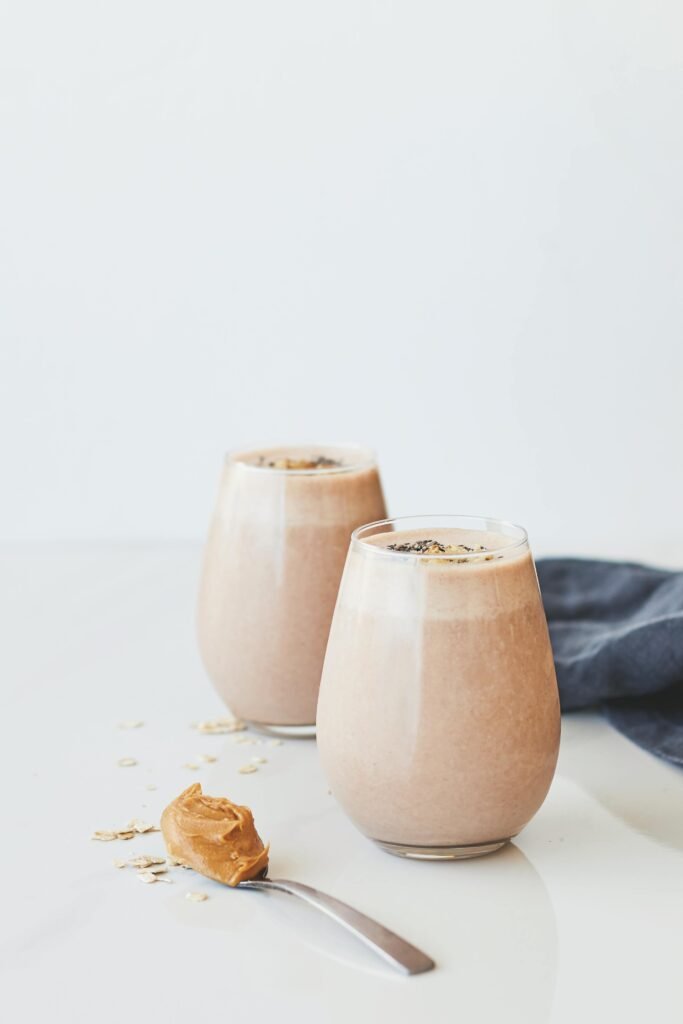
12. Berry Protein Smoothie
Ingredients:
- 1 scoop vanilla protein powder (25g protein)
- 1/4 cup raspberries
- 1/4 cup blackberries
- 1/2 cup full-fat Greek yogurt (10g protein)
- 1 cup unsweetened almond milk
- 2 tablespoons chia seeds
- Ice
Total protein: 35g | Net carbs: 8g | Prep time: 5 minutes
Berry strategy: I bought frozen organic berries in bulk. Cheaper than fresh and always available.
13. Coffee Protein Shake
Ingredients:
- 1 scoop vanilla or chocolate protein powder (25g protein)
- 1 cup cold brew coffee
- 1/2 cup unsweetened almond milk
- 1 tablespoon MCT oil
- 1 tablespoon heavy cream
- Ice
- Stevia
Total protein: 25g | Net carbs: 2g | Prep time: 3 minutes
Two-in-one: Breakfast and coffee combined. Huge time-saver on rushed mornings. The MCT oil boosted my energy significantly.
Meat-Based Breakfasts (25-40g Protein)
14. Breakfast Sausage and Eggs
Ingredients:
- 2 large eggs (12g protein)
- 2 breakfast sausage links (14g protein)
- 1/2 avocado
- Sautéed mushrooms
Total protein: 26g | Net carbs: 4g | Prep time: 10 minutes
Sausage quality matters: I bought sugar-free, nitrate-free sausages from the farmers market. Read labels carefully—many brands add sugar.
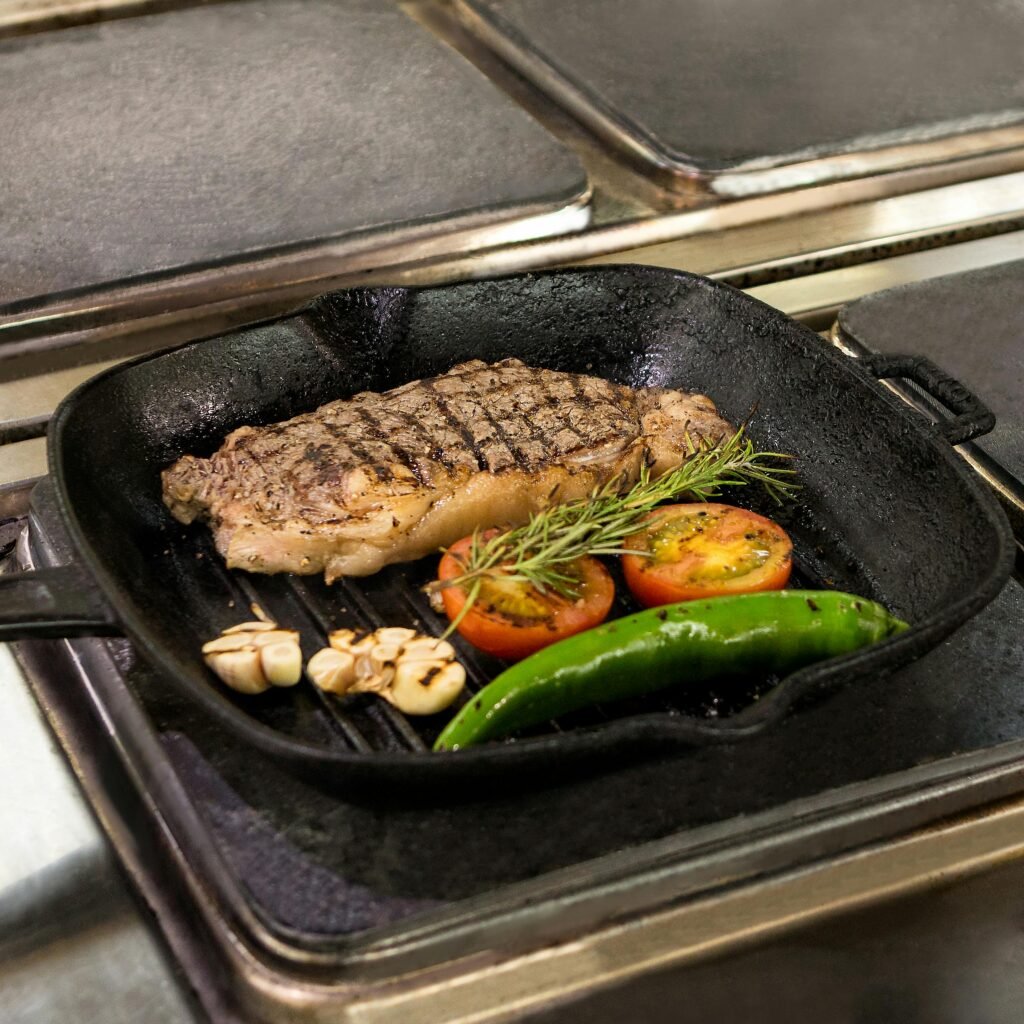
15. Steak and Eggs
Ingredients:
- 120g sirloin steak (28g protein)
- 2 large eggs (12g protein)
- Grass-fed butter for cooking
- Arugula salad on the side
Total protein: 40g | Net carbs: 2g | Prep time: 12 minutes
Weekend indulgence: This felt like a restaurant meal. I made it Saturday mornings and looked forward to it all week.
16. Turkey Sausage Scramble
Ingredients:
- 100g ground turkey (22g protein)
- 2 large eggs (12g protein)
- Diced bell peppers and onions
- Cumin, paprika, garlic powder
- Fresh cilantro
Total protein: 34g | Net carbs: 5g | Prep time: 12 minutes
Budget-friendly: Turkey was cheaper than beef but still provided excellent protein. I bought it in bulk and froze portions.
17. Bacon and Eggs (The Classic)
Ingredients:
- 4 slices thick-cut bacon (12g protein)
- 2 large eggs (12g protein)
- 1 cup sautéed kale
- 1/4 avocado
Total protein: 24g | Net carbs: 3g | Prep time: 10 minutes
Bacon quality: I bought uncured, sugar-free, pasture-raised bacon. Cost more but ingredients were clean and taste was incredible.
Quick Grab-and-Go Options (15-25g Protein)
18. Protein Bar + Hard-Boiled Eggs
Ingredients:
- 1 Quest protein bar (20g protein)
- 2 hard-boiled eggs (12g protein)
- Small handful of almonds
Total protein: 32g | Net carbs: 6g | Prep time: 0 minutes
Emergency backup: I kept protein bars in my bag and car. This saved me on mornings when I had zero time to cook.
19. Deli Meat Roll-Ups
Ingredients:
- 150g sliced turkey breast (30g protein)
- 4 slices cheese
- Mustard
- Lettuce leaves to wrap
- Cherry tomatoes
Total protein: 35g | Net carbs: 4g | Prep time: 5 minutes
Portable: I made these the night before, wrapped in foil, ate in the car on way to work. Unconventional but effective.
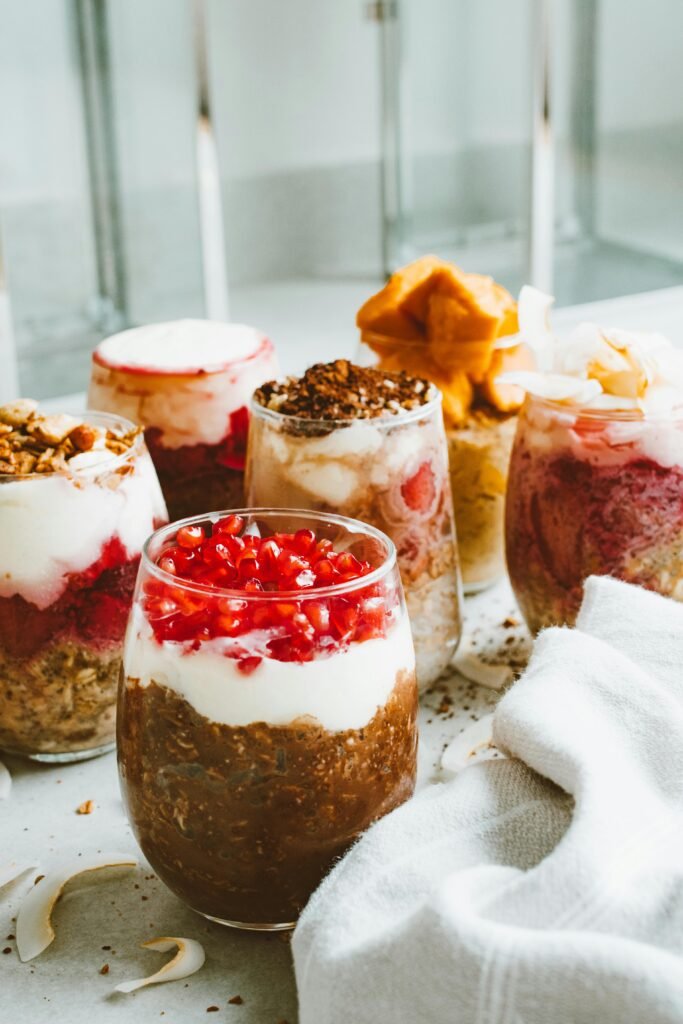
20. Protein Chia Pudding (Make-Ahead)
Ingredients:
- 3 tablespoons chia seeds (6g protein)
- 1 scoop vanilla protein powder (25g protein)
- 1 cup unsweetened coconut milk
- Cinnamon and vanilla extract
- Stevia
Total protein: 31g | Net carbs: 5g | Prep time: 2 minutes + overnight soak
Meal prep magic: Made 3-4 jars every Sunday. Grab from fridge each morning. Topped with crushed nuts or berries.
21. Two Good Yogurt + Protein Powder
Ingredients:
- 1 cup Two Good Greek yogurt (12g protein, only 3g carbs)
- 1/2 scoop vanilla protein powder (12g protein)
- 1 tablespoon almond butter
- 5 raspberries
Total protein: 24g | Net carbs: 5g | Prep time: 2 minutes
Lowest-carb yogurt: Two Good brand has 3g net carbs versus 9-12g in other Greek yogurts. This made a huge difference in my blood sugar response.
Creative High-Protein Options (20-30g Protein)
22. Cloud Bread Breakfast Sandwich
Ingredients:
- 2 cloud bread rounds (made from eggs and cream cheese – 8g protein)
- 1 fried egg (6g protein)
- 2 slices bacon (6g protein)
- 1 slice cheddar cheese (7g protein)
- Avocado slice
Total protein: 27g | Net carbs: 3g | Prep time: 15 minutes (including making cloud bread)
Weekend project: Cloud bread takes effort but freezes beautifully. I made 20 rounds, froze them, toasted from frozen for sandwiches.
23. Keto Protein Pancakes
Ingredients (makes 3 pancakes):
- 1 scoop vanilla protein powder (25g protein)
- 2 large eggs (12g protein)
- 1/4 cup almond flour
- 1/2 teaspoon baking powder
- Cinnamon
- Cook in grass-fed butter
Total protein: 37g | Net carbs: 4g | Prep time: 10 minutes
Sunday treat: These satisfied my pancake cravings completely. Topped with sugar-free syrup and butter. Indulgent but macro-perfect.
24. Smoked Salmon Plate
Ingredients:
- 100g smoked salmon (23g protein)
- 2 tablespoons cream cheese
- Cucumber slices
- Red onion (small amount)
- Capers
- Everything bagel seasoning
Total protein: 25g | Net carbs: 4g | Prep time: 5 minutes
Fancy feeling: This felt like a restaurant brunch. I made it when I wanted something special without carbs.
25. Leftover Dinner for Breakfast
Example:
- 120g leftover grilled chicken (28g protein)
- Reheated broccoli with butter
- 1/4 avocado
- Hot sauce
Total protein: 28g | Net carbs: 5g | Prep time: 4 minutes (microwave)
Mind-shift moment: Who says breakfast has to be “breakfast food”? Eating dinner leftovers in the morning was one of my best discoveries. Saved time and food waste.

My 7-Day High Protein PCOS Breakfast Meal Plan
This is one actual week from my weight loss journey, with everything I ate, exact timing, and how I felt.
Monday
Time: 11:30 AM (breaking 16-hour fast) Meal: Chocolate peanut butter protein shake Macros: 33g protein, 6g net carbs, 420 calories How I felt: Energized all day, not hungry until 4 PM
Tuesday
Time: 12:00 PM Meal: 3-egg omelet with cheddar and spinach, 1/2 avocado Macros: 25g protein, 3g net carbs, 450 calories How I felt: Satisfied and clear-headed, worked productively until lunch
Wednesday
Time: 10:00 AM (earlier eating day) Meal: Greek yogurt bowl with hemp seeds and berries Macros: 26g protein, 7g net carbs, 380 calories How I felt: Light but satisfied, great for workout day
Thursday
Time: 11:45 AM Meal: 3 egg muffins (from meal prep) + 1/4 avocado Macros: 30g protein, 4g net carbs, 390 calories How I felt: Loved the convenience, felt sustained
Friday
Time: 12:15 PM Meal: Scrambled eggs with smoked salmon Macros: 32g protein, 4g net carbs, 470 calories How I felt: Treat breakfast that felt special, incredibly full
Saturday
Time: 10:30 AM (weekend, ate earlier) Meal: Steak and eggs with arugula Macros: 40g protein, 2g net carbs, 520 calories How I felt: Like I was at a restaurant, completely satisfied until dinner
Sunday
Time: 11:00 AM Meal: Keto protein pancakes with butter and sugar-free syrup Macros: 37g protein, 4g net carbs, 460 calories How I felt: Indulgent but clean, no blood sugar crash
Weekly Averages
Protein: 31.8g per breakfast Net carbs: 4.3g per breakfast Calories: 441 per breakfast Fasting window: 15.5-17 hours
Meal Prep Sunday for High Protein Breakfasts
Every Sunday, I spent 2-3 hours preparing breakfasts for the entire week. This eliminated all decision fatigue and excuses.
What I Prepped
Hard-boiled eggs: Made 12-15 in Instant Pot (12 minutes), peeled and stored in container with damp paper towel. Lasted 7 days.
Egg muffins: Mixed 12 eggs with sausage, vegetables, and cheese. Poured into muffin tin, baked 25 minutes at 175°C. Stored in glass containers, 5-day fridge life.
Chia pudding: Combined chia seeds, protein powder, coconut milk, vanilla in 3 mason jars. Refrigerated overnight, ready to grab Monday-Wednesday.
Cloud bread: Made 20 rounds, let cool completely, froze in pairs separated by parchment paper. Toasted from frozen in 3 minutes.
Pre-portioned protein smoothie bags: Measured protein powder, frozen berries, chia seeds into ziplock bags. In morning, dumped bag into blender with almond milk and ice.
Cut vegetables: Prepped all omelet fillings (diced peppers, mushrooms, spinach) in containers. Made morning cooking 5 minutes faster.
Time Investment vs. Payoff
Total Sunday prep time: 2.5 hours Time saved Monday-Friday: 15-20 minutes per morning × 5 days = 75-100 minutes Net time gained: 45-75 minutes Bonus: Zero decision fatigue, 100% adherence to protein goals
Common High Protein Breakfast Mistakes I Made (And Fixed)
Mistake 1: Not Eating Enough Protein
Initially, I thought 15-18 grams was “enough” protein. Wrong. At that level, I’d be hungry by 11 AM and making poor food choices. Once I increased to 25-35 grams consistently, everything changed. The hunger completely disappeared.
Fix: I started weighing protein sources on a food scale until I could eyeball portions accurately. A palm-sized portion of meat is about 25-30g protein.
Mistake 2: Relying Too Much on Protein Powder
For the first month, I had protein shakes every single day because they were fast. But whole food protein sources provided better satiety and more nutrients. Eggs, meat, and fish kept me fuller longer than powder.
Fix: Limited protein shakes to 2-3 times weekly, prioritized whole foods the rest of the time. Used shakes strategically for genuinely rushed mornings only.
Mistake 3: Not Drinking Enough Water
High protein intake requires more water. I was chronically dehydrated the first few weeks, which made me feel sluggish and caused constipation.
Fix: I started every morning with 500ml water before eating anything. Aimed for 2-3 liters daily. Added electrolytes (sodium, potassium, magnesium) to prevent “keto flu.”
Mistake 4: Eating Breakfast Too Early
When I ate at 8 AM, I’d be hungry again by noon and struggling to maintain my 16:8 fasting schedule. Moving breakfast to 11 AM or 12 PM made intermittent fasting effortless.
Fix: I adjusted my eating window to 12 PM-8 PM. This meant breakfast was actually breaking a proper 16-hour fast, maximizing fat burning.
Mistake 5: Boring Repetition
Eating the exact same scrambled eggs every single day got old fast. I’d start craving variety and making poor choices.
Fix: I created a rotation of 8-10 favorite breakfasts and cycled through them. This provided enough variety to stay excited about food while maintaining structure.
FAQ: High Protein PCOS Breakfast
How much protein should I eat for breakfast with PCOS?
Aim for 25-35 grams of protein at breakfast to maximize insulin sensitivity, trigger satiety hormones, and support hormone production. This amount keeps most PCOS women satisfied for 5-6 hours and prevents the blood sugar crashes that trigger cravings. I found 28-32 grams was my personal sweet spot—enough to feel completely full without being uncomfortably stuffed.
What is the best high protein breakfast for PCOS weight loss?
Eggs are the best high protein breakfast for PCOS weight loss because they provide complete protein with all essential amino acids, contain minimal carbs, and include choline for hormone metabolism. A 3-egg omelet with cheese delivers 25g protein and costs less than £1. I ate eggs 4-5 times weekly during my 40kg weight loss and they never stopped working.
Can I eat protein powder every day for breakfast with PCOS?
While protein powder is convenient, whole food protein sources like eggs, Greek yogurt, cottage cheese, and meat provide better satiety and more micronutrients. I used protein powder 2-3 times weekly for genuinely busy mornings but prioritized whole foods most days. If using powder daily, choose high-quality whey isolate or collagen with no added sugars or artificial sweeteners.
Should I eat breakfast if I have PCOS or skip it?
This depends on your personal response to intermittent fasting. I found that skipping breakfast entirely (eating first meal at noon) improved my insulin sensitivity and made weight loss easier. However, some PCOS women with adrenal issues feel worse fasting. Try both approaches for 2-3 weeks each and track your energy, hunger, and period regularity to determine what works for your body.
What should I avoid for breakfast with PCOS?
Avoid all high-carb breakfast foods including oatmeal, cereal, toast, bagels, muffins, pancakes made with regular flour, fruit smoothies, flavored yogurt, and granola. These foods spike insulin within 30 minutes and worsen PCOS insulin resistance. Even “healthy” versions like whole wheat bread or steel-cut oats still trigger problematic blood sugar responses in PCOS women.
How long after eating high protein breakfast will I feel full?
A properly balanced high protein breakfast (25-35g protein, 15-25g fat, under 10g net carbs) should keep you satisfied for 5-6 hours minimum. If you’re hungry again within 2-3 hours, you either didn’t eat enough protein, included too many carbs, or didn’t include enough fat. I consistently went from noon breakfast to 5-6 PM dinner without any hunger when my macros were right.
Can Greek yogurt for breakfast help with PCOS?
Yes, full-fat Greek yogurt is excellent for PCOS breakfast because it provides 20g protein per cup with only 6-8g carbs. Choose plain, unsweetened versions and add your own low-carb toppings like nuts, seeds, and berries. I ate Greek yogurt 2-3 times weekly and it helped regulate my digestion while providing probiotics that reduced inflammation.
What is better for PCOS breakfast: protein shake or eggs?
Eggs are generally better than protein shakes for PCOS because whole foods provide superior satiety, more nutrients, and better blood sugar stability. However, protein shakes are convenient and effective when made properly with low-carb ingredients. I used both strategically—eggs 4-5 days weekly, shakes 2-3 days for rushed mornings. The key is consistency with high protein, not the specific source.
How does high protein breakfast improve insulin resistance?
High protein breakfast improves insulin resistance by minimizing blood sugar spikes that would otherwise trigger excessive insulin release. Protein has almost zero impact on blood glucose, allowing insulin levels to stay low throughout the morning. This gives your cells a break from constant insulin exposure, gradually improving their sensitivity. My fasting insulin dropped from 22 to 8 over 12 months of high protein breakfasts.
Can I meal prep high protein breakfasts for the week?
Yes, many high protein PCOS breakfasts meal prep beautifully. Egg muffins last 5 days refrigerated, hard-boiled eggs last 7 days, chia pudding lasts 3-4 days, and cloud bread freezes for months. I spent 2-3 hours every Sunday preparing breakfasts for the entire week, which eliminated decision fatigue and guaranteed I always had compliant options ready. This consistency was crucial for my 40kg weight loss.
What I Learned After 12 Months of High Protein Breakfasts
The first week of eating 30 grams of protein for breakfast felt strange. I was used to feeling hungry by 10 AM and constantly thinking about food. When that hunger didn’t come, I actually felt confused. My body had been so conditioned to the blood sugar rollercoaster that stable energy felt abnormal at first.
By week four, my relationship with food had completely transformed. I stopped obsessing about my next meal because I knew I wouldn’t be desperately hungry. The mental freedom was incredible—I could focus on work, relationships, and life instead of constantly planning my next eating opportunity.
The Unexpected Benefits
My skin cleared significantly by month three. The reduction in insulin and androgens from high protein, low-carb breakfasts directly improved my acne. My facial hair growth slowed noticeably. My periods became regular for the first time in a decade. My energy stopped crashing mid-morning. My anxiety decreased because my blood sugar was stable.
But the biggest benefit was psychological. For years, I felt like a failure every time I “broke” a diet. With high protein breakfasts, there was nothing to break. I wasn’t restricting calories or going hungry. I was eating delicious, satisfying food that happened to fix my hormones. This made consistency effortless instead of requiring constant willpower.
The Habit That Changed Everything
The single most important factor in my 40kg weight loss wasn’t any specific breakfast recipe. It was the habit of eating 25-35 grams of protein first thing every single day, no exceptions. Weekends, holidays, vacations, stressful days—protein breakfast happened regardless of circumstances.
This consistency gave my hormones the stability they needed to heal. PCOS bodies don’t respond well to inconsistency. We need repetitive positive inputs over months to overcome years of insulin resistance and hormone chaos. High protein breakfasts provided that foundation.
Your High Protein PCOS Breakfast Action Plan
Starting a new eating pattern feels overwhelming, but you don’t have to change everything at once. Here’s exactly how to begin.
Week 1: Pick Three Breakfasts
Choose three recipes from this list that sound appealing and doable for your lifestyle. Don’t try to master all 25—that’s a recipe for overwhelm and quitting.
Suggested starter trio:
- 3-egg omelet with cheese (simple, flexible)
- Greek yogurt bowl with protein powder (quick, no cooking)
- Protein shake (fastest option for rushed mornings)
Make these three breakfasts in rotation for the entire week. Track your hunger levels, energy, and how long you stay satisfied. This data will guide your next steps.
Week 2: Add Meal Prep
Now that you know which breakfasts you enjoy, prepare them in advance. Spend 1-2 hours on Sunday making egg muffins or hard-boiled eggs. Pre-portion Greek yogurt with toppings. Measure protein shake ingredients into bags.
The goal is removing all barriers between you and a high protein breakfast. When you wake up tired and rushed, you need the healthy choice to also be the easiest choice.
Week 3: Track Your Protein
Use a simple notebook or app to record your breakfast protein each day. Aim for that 25-35 gram target consistently. You’ll quickly learn which foods hit your numbers and which fall short.
This isn’t about obsessive tracking forever—it’s about education. Once you understand portion sizes and protein content, you won’t need to measure anymore.
Week 4: Assess and Adjust
After four weeks of high protein breakfasts, evaluate these metrics:
- Energy levels throughout the morning
- Hunger between breakfast and lunch
- Sugar cravings (should be dramatically reduced)
- Period regularity (may improve this quickly)
- Weight changes (2-4kg in first month is realistic)
If you’re seeing positive changes, you’ve found your formula. Keep going. If not, troubleshoot: Are you truly hitting 25+ grams protein? Are you keeping carbs under 10g? Are you eating enough fat for satiety?
Conclusion: Breakfast Was My Turning Point
For the first 25 years of my life, I thought breakfast meant cereal, toast, or oatmeal. I never questioned these foods even as they left me hungry, tired, and gaining weight year after year. My PCOS diagnosis didn’t change anything because doctors just told me to “eat healthy and exercise”—the same useless advice that had failed me repeatedly.
Everything shifted when I discovered high protein PCOS breakfast ideas. Not because protein is magic, but because it directly addresses the root problem: insulin resistance. When I stopped spiking my insulin first thing every morning, my body finally had permission to release stored fat instead of desperately holding onto every calorie.
The 40kg weight loss that followed over 12 months wasn’t from willpower or suffering. It was the natural result of eating in a way that supported my hormones instead of fighting them. High protein breakfasts fixed my constant hunger, stabilized my energy, regulated my periods, cleared my skin, and made me feel human again.
Your PCOS diagnosis isn’t a life sentence of failed diets and weight struggles. It’s a metabolic reality that requires a different nutritional approach than women without PCOS. High protein breakfasts provide that approach—backed by science, proven by results, and sustainable for life.
Start tomorrow morning with 25 grams of protein. Notice how you feel three hours later. Pay attention to your hunger signals. Track your energy. Give your body four weeks of consistency and watch what happens when you finally feed it what it actually needs.
The transformation won’t happen overnight, but it will happen. One high protein breakfast at a time, your hormones will balance, your insulin will drop, and your body will release the weight it’s been holding for years. Mine did. Yours can too.