
Starting a ketogenic diet is an exciting journey toward fat loss and mental clarity. But for many, the first few days come with a frustrating side effect: keto constipation.
If you’ve noticed a sudden “traffic jam” in your digestive system, don’t panic. It’s a common part of the transition as your body adjusts to burning fat instead of carbs. Below, we break down exactly why this happens and the best keto-friendly remedies to get things moving again.
Note: If you’re struggling to see results on keto, you’re not alone. When I started my journey to lose 40 kg with PCOS, I realized that generic advice doesn’t work for hormonal weight loss. I’ve put together a complete, step-by-step [2026 Keto Guide] that reveals the exact protocol I used to reset my metabolism and balance my hormones naturally. Make sure to read it alongside this post to fast-track your results!
My Keto Constipation Reality: Week 2 of My Weight Loss Journey
Two weeks into my keto journey, I hadn’t had a bowel movement in five days. Five. Days. I was bloated, uncomfortable, and genuinely panicking that something was seriously wrong with my body. This was supposed to be the “healthy” diet that would finally help me lose weight with PCOS, but instead I felt miserable, my jeans were tighter from bloating, and I was seriously considering quitting keto entirely.
What I didn’t understand at the time was that keto constipation is incredibly common, especially for women with PCOS, and it’s completely fixable. I was making three critical mistakes: not drinking enough water (I was still at my pre-keto intake), not eating enough fibre from vegetables (I’d focused so much on protein that greens were an afterthought), and my magnesium levels had tanked from the dietary changes.
How I Finally Cracked The Keto Constipation Code
Once I implemented the solutions I’m about to share—increasing my water to 3 litres daily, adding high-fibre vegetables at every meal, and supplementing with magnesium citrate before bed—everything normalised within three days. Not only did my constipation resolve completely, but I actually had better, more regular digestion on keto than I’d ever had eating grains. The bloating disappeared, my energy increased, and I continued losing weight steadily. By month 12, I’d lost 40 kg and maintained perfectly normal digestion throughout.
If you’re experiencing keto constipation right now, please don’t give up on this way of eating before trying these fixes. Your body is adjusting to a massive metabolic shift, and constipation is usually a temporary transition symptom, not a permanent problem. Here’s exactly what worked for me and what the research says about why keto constipation happens—and how to fix it quickly.
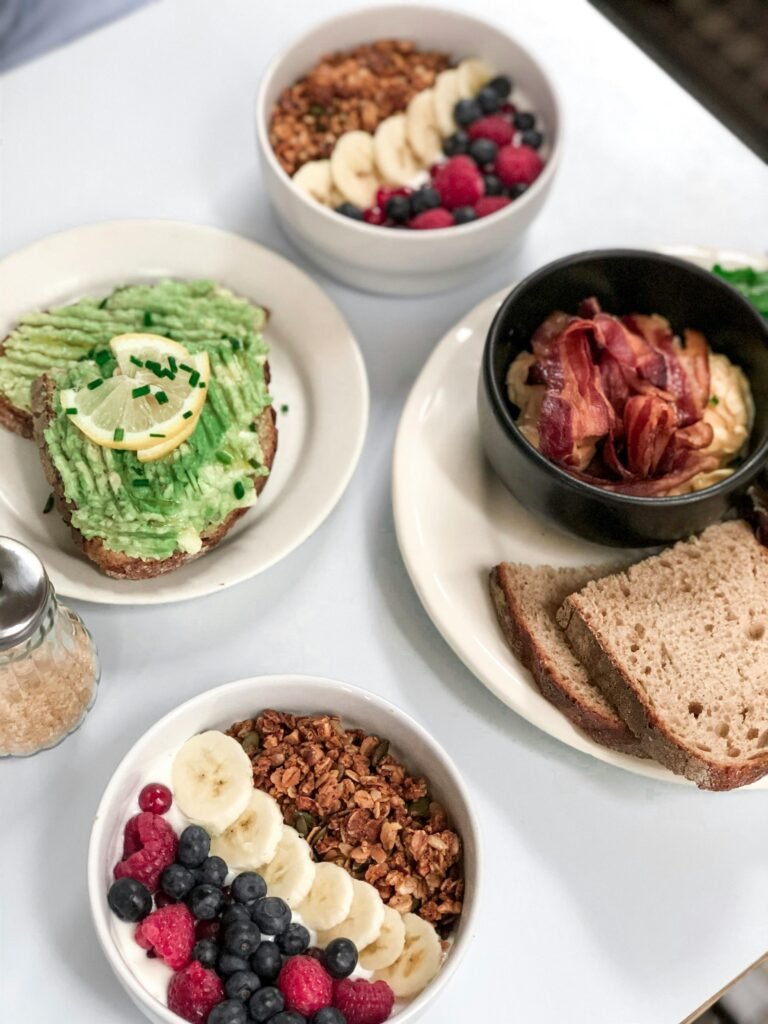
3 Reasons You’re Not Pooping on Keto
1. The Fibre Gap
When you cut out high-carb staples and convert to a high-fibre keto diet, like whole grains, beans, and certain fruits, you accidentally remove the bulk of your dietary fibre. Fibre is essential because it adds bulk and softens your stool, making it easier to pass. A lack of fibre often leads to keto constipation and infrequent bowel movements and discomfort.
2. The Dehydration Trap
On keto, your body flushes out water rapidly. This happens because your body is burning through glycogen (stored glucose), and every gram of glycogen is stored with about 3 grams of water. As insulin levels drop, your kidneys also release more sodium and water. Without enough hydration, your colon pulls water from your waste, leaving you with hard, dry stools that are difficult to pass.
3. The “Keto Flu” Slump
During the first week, many people suffer from the keto flu, experiencing fatigue, headaches, and low energy. This often leads to a lack of physical activity. Movement and exercise are natural stimulants for your bowels; without them, your gut motility slows down significantly.
How to Treat Keto Constipation: 3 Science-Backed Remedies
1. Load Up on Prebiotic “Super-Veggie” Combos
You don’t need grains to get fibre. Focus on non-starchy, keto-friendly vegetables that are rich in prebiotics (fiber that feeds your healthy gut bacteria).
- Top Choices: Asparagus, mushrooms, cabbage, and snow peas.
- The Flavour Hack: Sauté your meat or leafy greens with garlic and onions. Not only do they enhance the taste, but they are also powerhouse sources of prebiotic fibre that support immune health and weight loss.
Use “Natural Lubricants” and Healthy Fats
If your digestive system needs a “nudge”, the answer isn’t always more fibre—sometimes you need more lubrication. Healthy fats help stimulate the “gastrocolic reflex”, which signals your bowels to move and helps to cure keto constipation.
- MCT Oil: This is a keto staple for a reason. Medium-chain triglycerides are processed quickly and have a mild natural laxative effect. Start with just 1 teaspoon in your coffee or over a salad.
- Extra Virgin Olive Oil: Taking a tablespoon of high-quality olive oil on an empty stomach is an age-old remedy for constipation. It helps soften the stool and move things along smoothly.
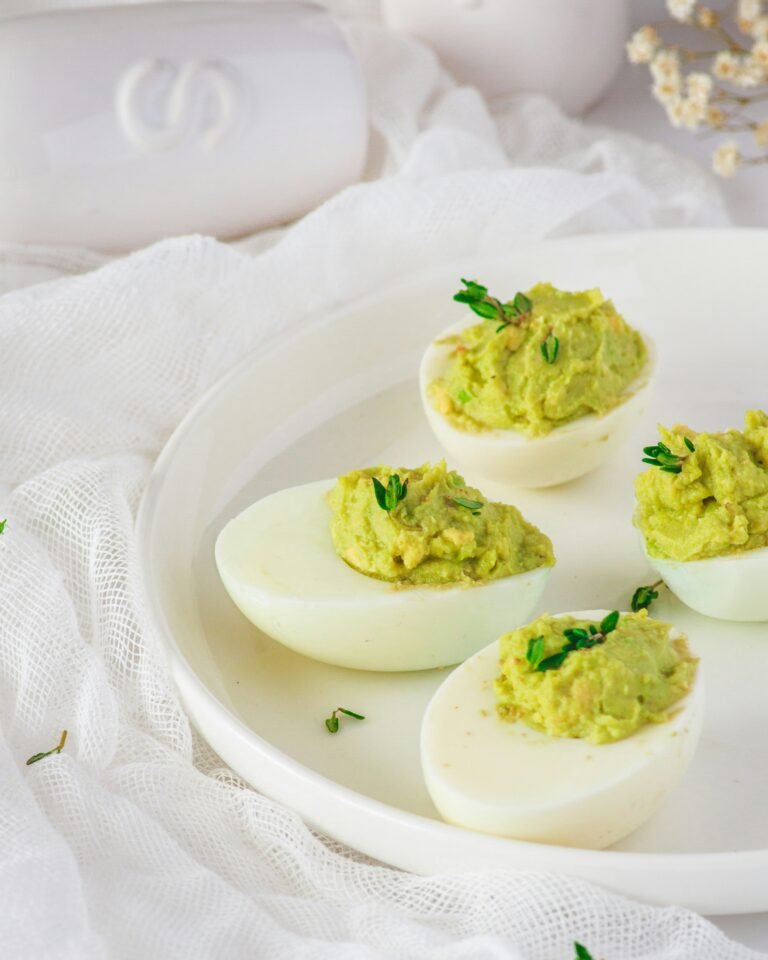
- The Fat-Fibre Combo: Instead of sugar-laden bars, try an avocado with sea salt. You get the fibre to add bulk, the healthy fats to lubricate, and the potassium to help your muscles contract.
Tip: If you are feeling “stuck”, try a “Keto Rocket Coffee”: blend 1 cup of coffee with 1 tsp of MCT oil and a pinch of sea salt. This combination of caffeine (a stimulant) and MCT oil (a lubricant) usually works within 30–60 minutes.
Prioritize Electrolyte-Rich Hydration
Drinking plain water is good, but on keto, you need water + electrolytes. Because your body is flushing out minerals, you must replace them to keep your muscles (including your digestive muscles) working.
Increasing your water intake is the simplest way to relieve headaches, fatigue, and the dehydration that leads to constipation.
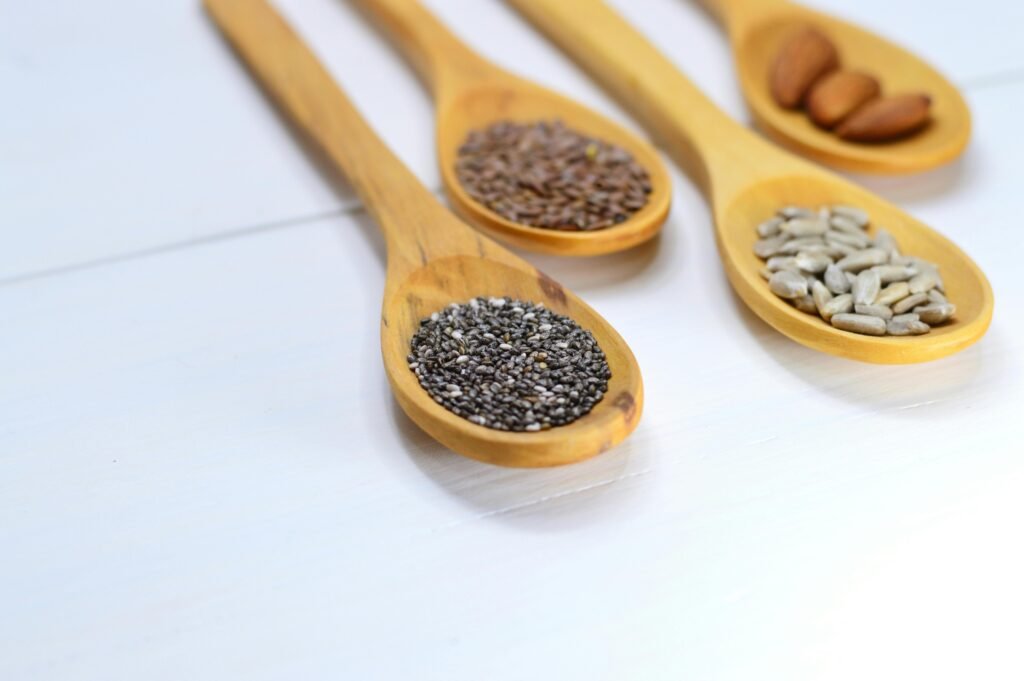
High-Fiber Keto Shopping Guide (Get Rid Of Keto Constipation)
| Category | Food Item | Why It Helps |
| Fibre Stars | Avocado, Artichokes | High fibre-to-net-carb ratio; adds bulk. |
| Prebiotics | Asparagus, Garlic, Onions | Feeds good gut bacteria for better motility. |
| The “Gels” | Chia Seeds, Flaxseeds | Softens stool and acts as a natural lubricant. |
| Quick Relief | Xylitol/Sorbitol Sweets | Provides a gentle osmotic laxative effect. |
| Hydration | Sea Salt, Magnesium | Ensures water actually stays in your colon. |
Frequently Asked Queries:
Q. How long does keto constipation last?
A. For most, it lasts the first 3 to 7 days of the transition. However, if you don’t address dehydration and fibre intake, it can persist for weeks. Using magnesium and increasing water usually brings relief within 24 hours.
Q. What is the best keto-friendly fibre for immediate relief?
A. Psyllium husk and ground flaxseeds are excellent for quick results. When mixed with water, they create a gel that helps sweep the digestive tract without adding significant net carbs.
Q. Why am I constipated even though I eat salad?
A. Raw salad greens are high in insoluble fibre, which adds bulk but needs plenty of water to move. If you are dehydrated, that salad can actually get “stuck”. Try steaming your vegetables and doubling your water intake.
What is the best keto-friendly fat for constipation relief?
A. MCT oil is widely considered the most effective fat for relief. It is quickly absorbed and stimulates the digestive tract more effectively than solid fats. Extra virgin olive oil is also an excellent natural lubricant for those with sensitive stomachs.
Keto Constipation Relief
If you’re constipated on keto:
- Increase water intake: Aim for half your body weight in ounces (e.g., 150 lbs = 75 oz water)
- Add psyllium husk: 1 tablespoon in 8 oz water, twice daily
- Eat more leafy greens: Target 2-3 cups daily
- Add magnesium citrate: 200-400mg before bed (also helps with sleep)
- Include MCT oil: 1 tablespoon can stimulate bowel movements
Keto Bloating
Paradoxically, increasing fibre too quickly can cause bloating. The fix:
Consider digestive enzymes: Can help break down fibrous vegetables
Increase fiber gradually: add 5 g every 3-4 days
Choose gentle fibers: Start with soluble fibers like psyllium and acacia
Avoid sugar alcohols: Erythritol is better tolerated than maltitol or sorbitol
When to see a doctor?
If your constipation lasts for more than two or three weeks despite these remedies, or if you experience severe pain, it’s time to seek medical advice for further evaluation.


3 Comments