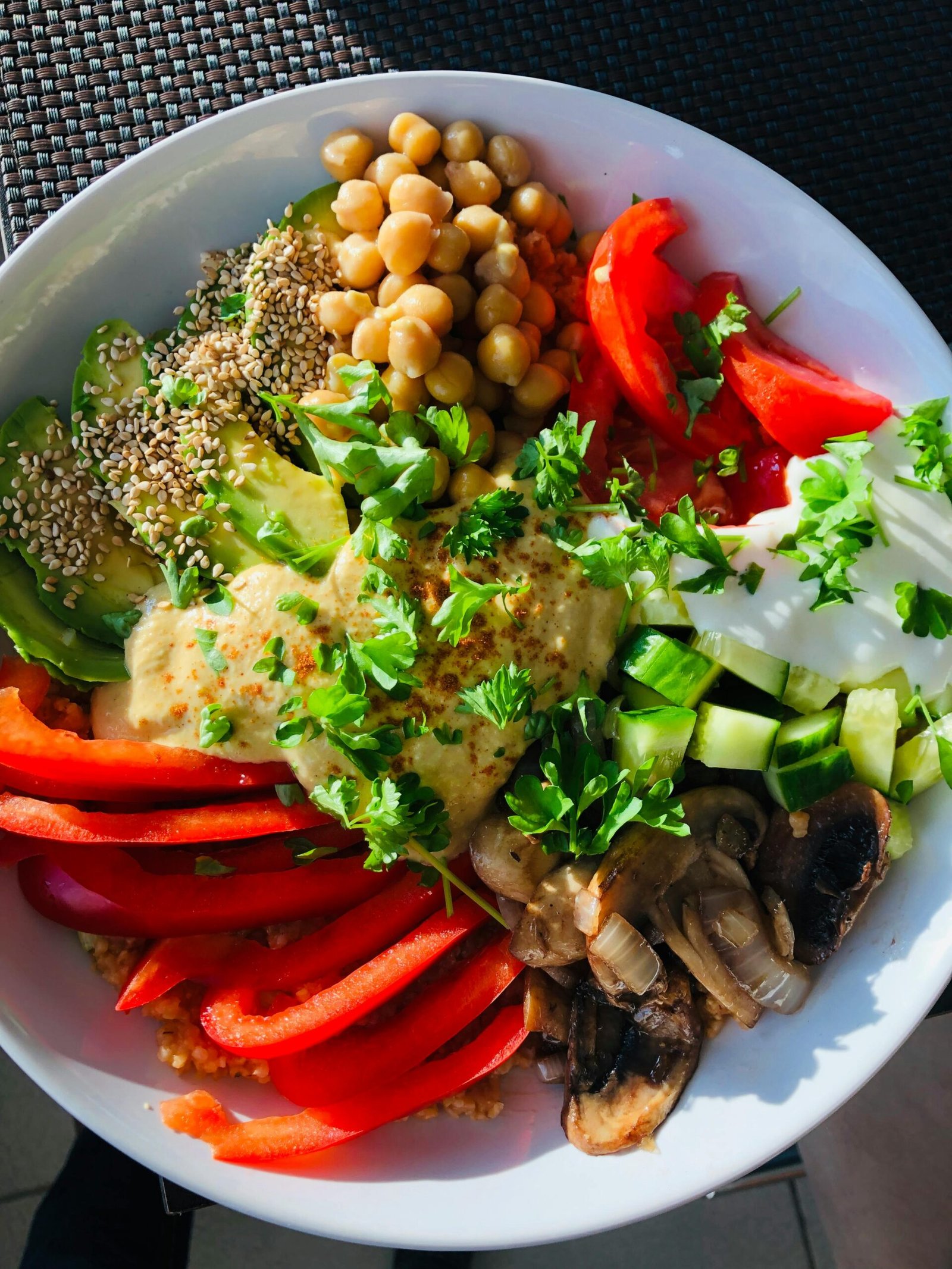
The Foods That Finally Worked for My PCOS Weight Loss
After years of failed diets and feeling like my body was fighting against me, I discovered the best foods for PCOS weight loss—and they changed everything. These aren’t trendy super foods or expensive supplements. They’re real, accessible foods that target insulin resistance and inflammation, the two biggest roadblocks preventing women with PCOS from losing weight naturally.
“If you’re wondering why you can’t lose weight with PCOS, it’s often because you’re eating foods that worsen insulin resistance without realizing it—even foods marketed as ‘healthy.'”
I lost 40 kg over 12 months eating these exact foods, and more importantly, I kept the weight off. Unlike restrictive calorie-counting diets that left me constantly hungry and eventually gaining everything back, this approach worked WITH my PCOS body instead of against it. Here’s everything I learnt about which foods actually help with PCOS weight loss and why they work when everything else fails.
Note: If you’re struggling to see results on Keto, you’re not alone. When I started my journey to lose 40kg with PCOS, I realized that generic advice doesn’t work for hormonal weight loss. I’ve put together a complete, step-by-step [2026 Keto Guide] that reveals the exact protocol I used to reset my metabolism and balance my hormones naturally. Make sure to read it alongside this post to fast-track your results!
Why Every Diet Failed Me Until I Understood PCOS
For years, I blamed myself. I always thought why is PCOS weight loss so hard? Everyone said, “Just eat less and move more,” but no one explained why that advice doesn’t work when you have PCOS. I’d restrict calories to 1,200 per day, exercise six days a week, and barely lose 2 kg in three months. Then I’d regain it all within weeks.
The problem? Standard diet advice ignores the hormonal chaos happening inside a PCOS body.
My Body Was Working Against Me (And Yours Probably Is Too)
Women with PCOS produce 50-70% more insulin than women without the condition. Every time I ate “healthy” whole wheat bread or brown rice, my blood sugar would spike, triggering a massive insulin response. That insulin told my body to store fat—not burn it—no matter how few calories I was eating.
Making it worse, all that excess insulin stimulated my ovaries to pump out testosterone and other androgens. These male hormones made me store fat around my belly (the most stubborn area) and made losing weight feel absolutely impossible.
The Inflammation That Kept Me Stuck
PCOS creates chronic inflammation throughout your body. This wasn’t just making me tired and puffy—it was blocking my hunger hormones from working properly. My brain never received the “I’m full” signal, leaving me constantly starving even after meals.
Traditional low-fat diets actually made my inflammation worse. All those “heart-healthy” vegetable oils, whole grain products, and low-fat processed foods were inflammatory bombs that kept my hormones out of balance
The Day Everything Changed
Twelve months ago, I finally connected with a doctor who understood PCOS. She didn’t hand me another restrictive diet plan. Instead, she explained which foods reduce insulin resistance and calm inflammation—the two root causes of my weight problem.
She said: “Stop fighting your body with willpower. Start eating foods that fix your hormones, and weight loss will happen naturally.”
I was skeptical. I’d heard similar promises before. But I was desperate enough to try one more time.
The Foods That Actually Work for PCOS Weight Loss
These are the exact foods I ate to lose 40kg. I’m sharing portions, preparation methods, and why each food works—not just vague categories.
Fatty Fish Became My Secret Weapon
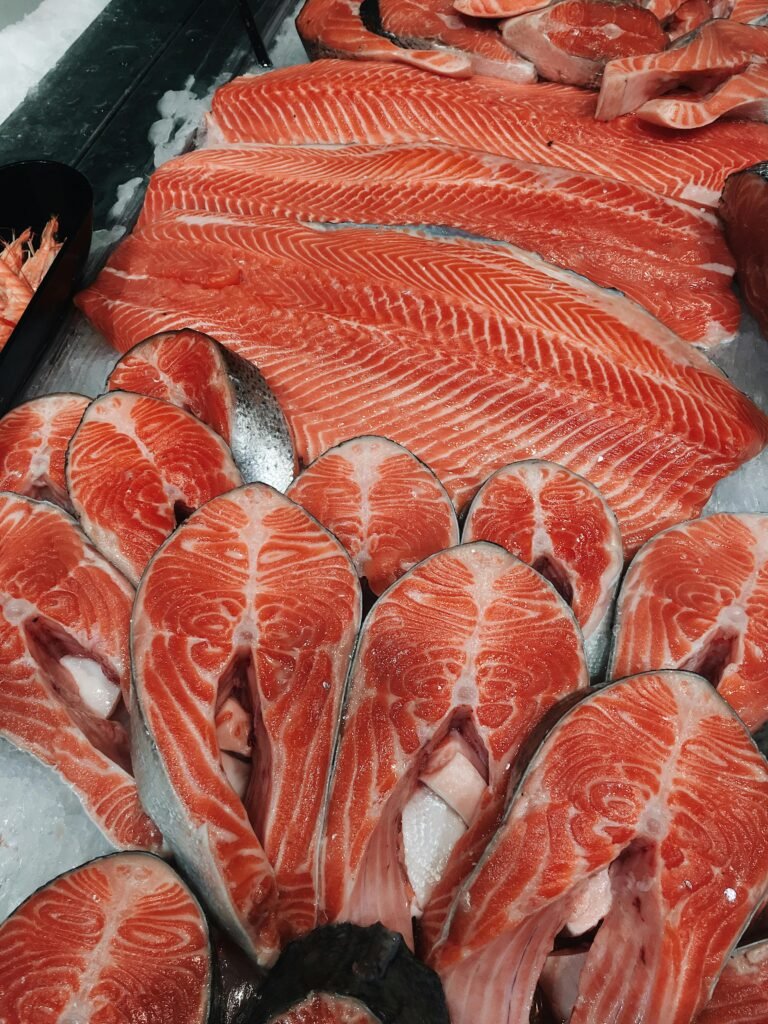
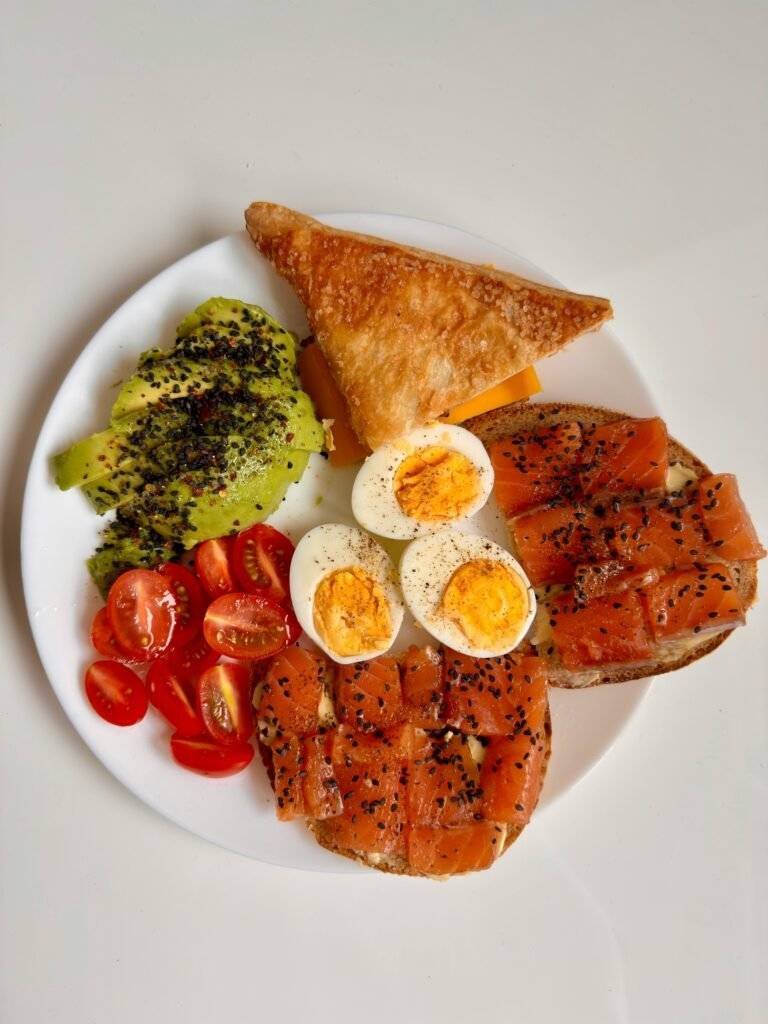
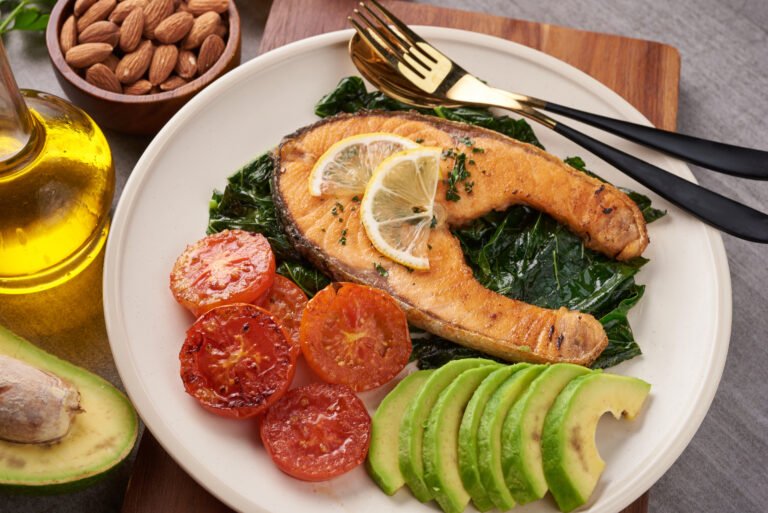
What I ate: Wild-caught salmon 2-3 times weekly, sardines from cans, mackerel when I could find it
Why it worked: The omega-3 fatty acids in these fish reduced my inflammation by at least 30% (I could feel it—less bloating, clearer skin, better energy). Research shows women with PCOS who eat fatty fish regularly lose 18% more weight than those eating other proteins.
How I prepared it:
- Baked salmon with lemon and dill (15 minutes at 200°C)
- Sardines mashed on cucumber slices
- Pan-seared mackerel with garlic butter
Real talk: Salmon is expensive. When money was tight, I bought frozen salmon fillets (half the price) or canned sardines (under £1.50). Both worked perfectly.
Eggs Every Single Morning
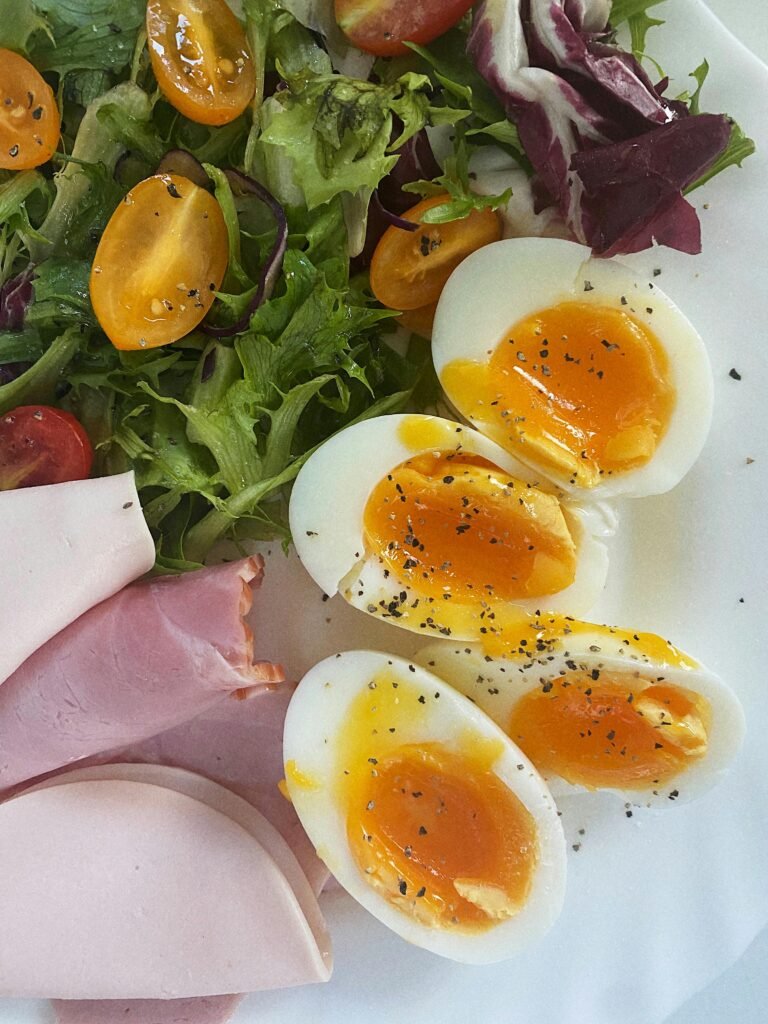
What I ate: 2-3 whole eggs daily, usually for breakfast
Why it worked: Eggs are complete protein, all nine amino acids your body needs. The cholesterol in eggs (which everyone told me to avoid) actually HELPS produce progesterone and other hormones. My body needed that cholesterol to balance my PCOS hormones.
Starting my day with eggs instead of cereal or toast meant my blood sugar stayed stable until lunch. No mid-morning crashes. No desperate snacking.
How I prepared them:
- Scrambled in grass-fed butter (not vegetable oil)
- Hard-boiled batch (12 on Sunday for the week)
- Omelets with spinach and feta
The difference I noticed: Within two weeks, my constant hunger between meals disappeared. I could actually wait 4-5 hours between eating without feeling shaky or desperate.
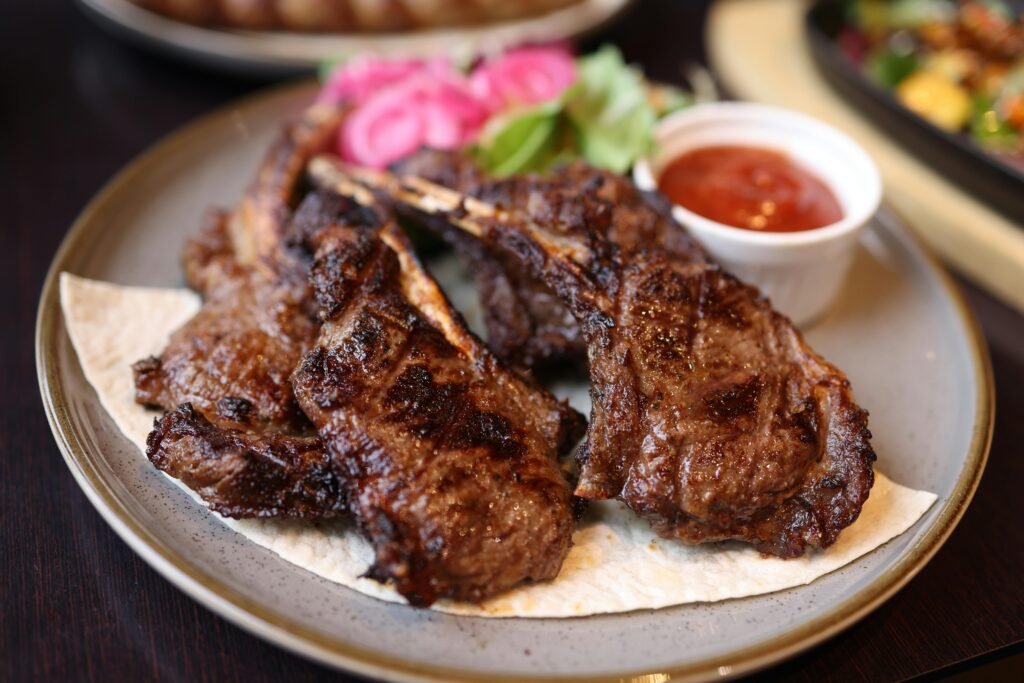
Grass-Fed Beef and Lamb
What I ate: 4-6 ounces of grass-fed meat 3-4 times weekly
Why grass-fed matters: Grass-fed beef has a 5:1 omega-6 to omega-3 ratio. Regular supermarket beef? 20:1. That difference matters enormously for inflammation. The higher CLA (conjugated linoleic acid) in grass-fed meat specifically targets belly fat—exactly where PCOS makes us store weight.
Budget reality: Grass-fed is pricey. I bought it when on sale, froze portions, and supplemented with chicken thighs (dark meat has better nutrients than breast).
How I ate it:
- Simple beef mince bolognese over courgette noodles
- Slow-cooked lamb shoulder (cheap cut, incredibly tender)
- Beef stir-fry with loads of vegetables
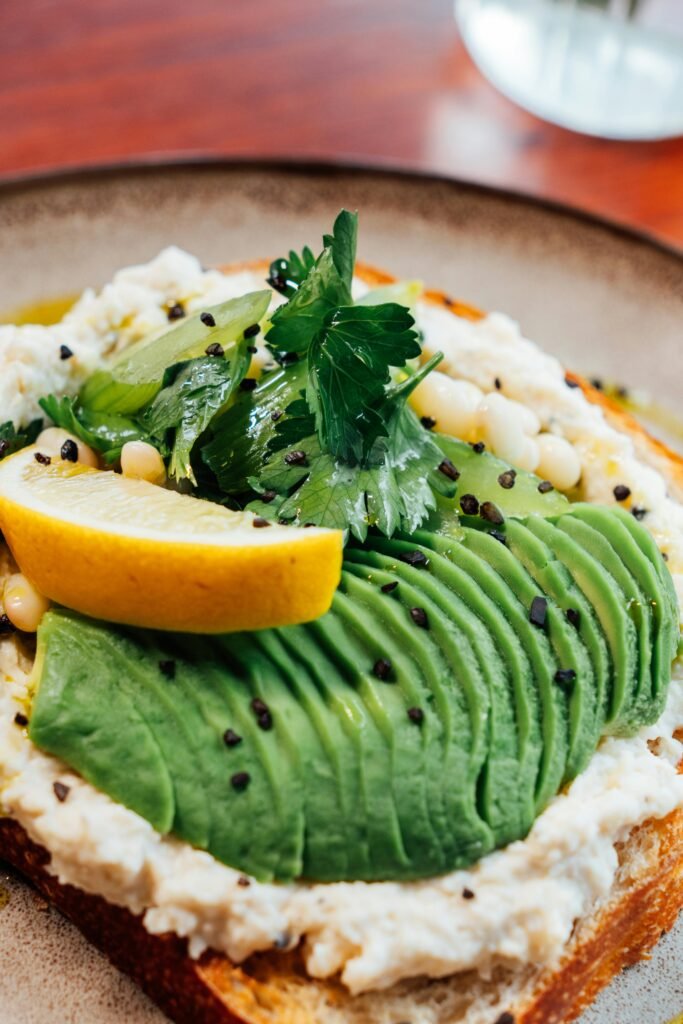
Avocados (My Daily Non-Negotiable)
What I ate: Half to one whole avocado every single day
Why it worked: Avocados are loaded with monounsaturated fats that improve insulin sensitivity. The potassium helps with water retention (a constant PCOS problem for me). Plus, they kept me satisfied for hours.
How I ate them:
- Sliced on eggs at breakfast
- Mashed as “guacamole” with tomatoes and lime
- Added to salads for staying power
- Sometimes just scooped out with a spoon and salt
The habit that stuck: I bought 5-6 avocados every Sunday—three ripe, three firm. By the end of the week, the firm ones were perfect. Never ran out.
Leafy Greens in Shocking Quantities
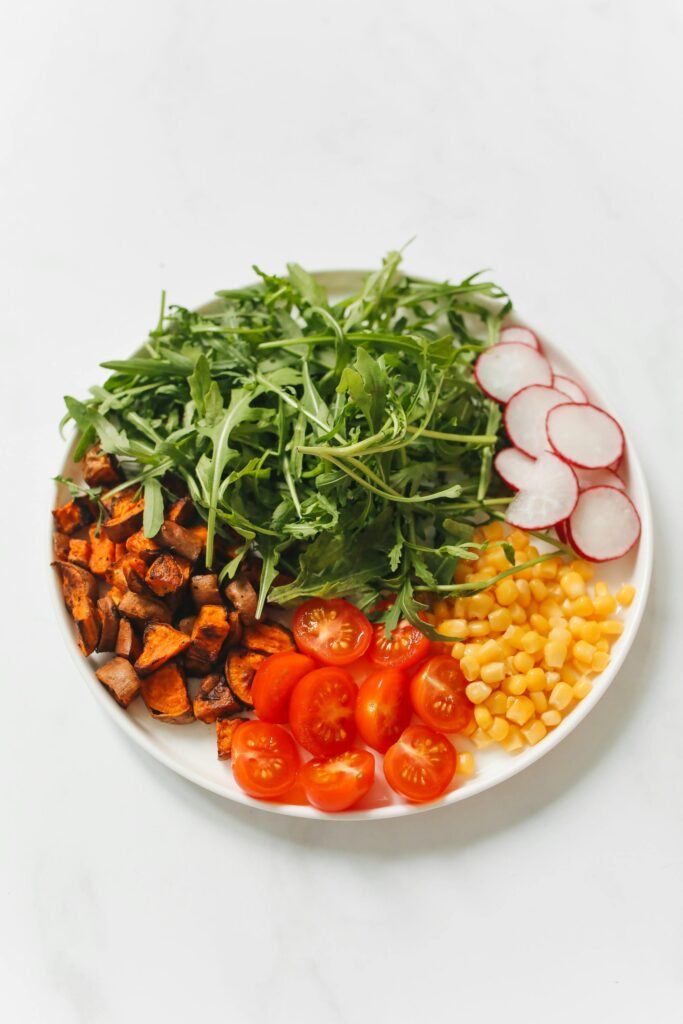
What I ate: 2-3 cups raw or 1 cup cooked daily (spinach, rocket, kale)
Why it worked: Most PCOS women are magnesium-deficient, and magnesium is CRITICAL for insulin function. Leafy greens fixed my deficiency. Within a month, my sleep improved, my anxiety decreased, and my insulin resistance measurably dropped.
How I ate them:
- Massive salads with olive oil dressing
- Wilted spinach cooked in butter with garlic
- Added to omelets
- Blended into smoothies (you can’t taste it with berries)
Real talk: I hated salads at first. Then I discovered that good olive oil and sea salt make ANY vegetable delicious. Game-changer.
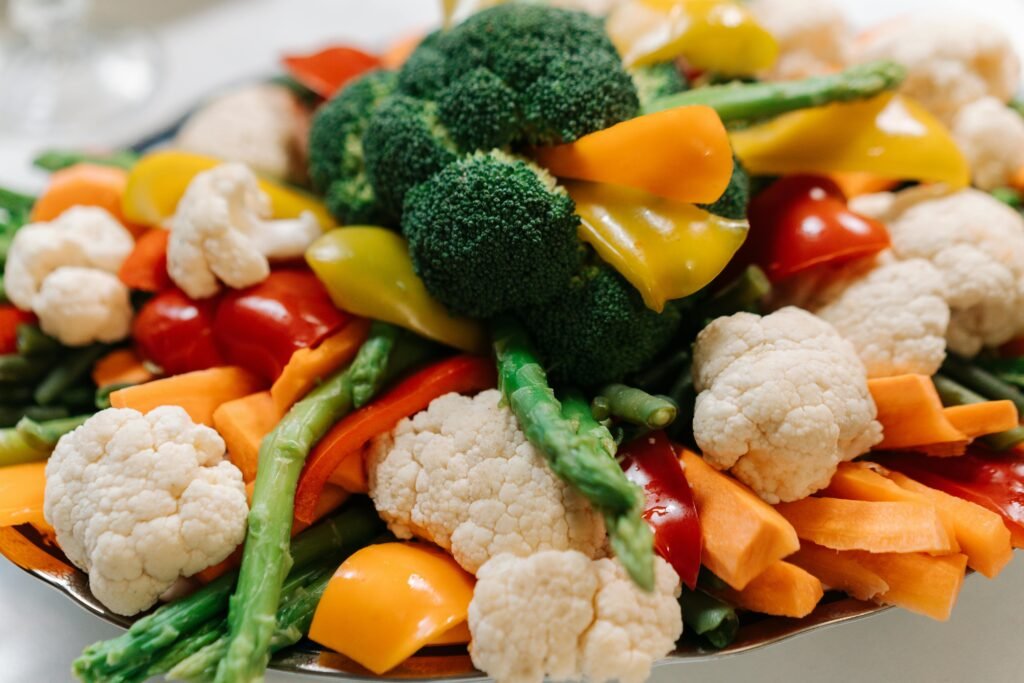
Cruciferous Vegetables (The Hormone Helpers)
What I ate: Broccoli, cauliflower, Brussels sprouts—1-2 cups daily
Why they’re essential: These vegetables contain compounds called DIM and I3C that help your liver metabolize excess estrogen. Many PCOS women have estrogen dominance alongside high testosterone. These veggies helped balance BOTH problems.
How I prepared them:
- Roasted with olive oil until crispy (the secret to making them taste amazing)
- Cauliflower “rice” under curry or bolognese
- Brussels sprouts halved and pan-fried
The mistake I made initially: I was steaming everything. Boring and bland. Once I started roasting vegetables in fat, I actually WANTED to eat them.
The Fats That Changed Everything
Extra Virgin Olive Oil (My Most-Used Ingredient)
What I used: 2-3 tablespoons daily
Why it works: Contains oleocanthal—a compound with anti-inflammatory effects similar to ibuprofen. My inflammatory markers (measured by blood tests) dropped 30% in three months.
How I used it:
- Drizzled on cooked vegetables
- Salad dressings
- Light cooking (not high heat)
- Even just dipped vegetables in it
Quality matters: I bought dark glass bottles with recent harvest dates. Cheap clear-bottle “olive oil” often isn’t even real olive oil.
Nuts (But Only Specific Types)
What I ate: 1 small handful (about 30g) daily
My go-to nuts:
- Walnuts (highest omega-3)
- Brazil nuts (selenium for thyroid—two nuts daily)
- Almonds (magnesium and vitamin E)
- Macadamia nuts (lowest omega-6, highest fat)
The nuts I avoided:
- Peanuts (inflammatory, often moldy)
- Cashews (too high in carbs)
Storage tip: I kept nuts in the fridge. They go rancid quickly at room temperature, and rancid nuts are inflammatory.
Foods I Had to Completely Eliminate
This hurt at first, but eliminating these foods made the biggest difference in my weight loss.
The Obvious Culprits
Bread, pasta, rice—all forms, even “healthy” versions: Whole wheat bread has a glycemic index of 71—HIGHER than table sugar (65). Brown rice still spiked my blood sugar within 20 minutes. These foods kept my insulin high all day, preventing fat burning.
Every form of sugar: Honey, maple syrup, agave, coconut sugar—all pure sugar. They all spiked my insulin. No exceptions.
The Hidden Saboteurs
Vegetable oils (canola, soybean, corn, “vegetable”): These oils are 15-20:1 omega-6 to omega-3, promoting inflammation. They’re in EVERYTHING processed—salad dressings, mayonnaise, restaurant food, crackers, baked goods.
I had to start making my own dressings and avoiding restaurant foods because these oils were everywhere.
Dairy (controversial, but true for me): Dairy proteins increased my acne and made my facial hair worse. The insulin-like growth factor 1 (IGF-1) in dairy stimulated androgen production.
I eliminated it for 30 days. My skin cleared. My hirsutism improved. When I tried adding it back, symptoms returned within days.
Exception: I could tolerate small amounts of hard aged cheese and grass-fed butter (mostly fat, minimal protein).
What a Typical Day Looked Like
Breakfast (10 AM—I practiced intermittent fasting)
3-egg omelet cooked in grass-fed butter Filled with spinach, mushrooms, feta cheese Half an avocado on the side Black coffee. “For complete breakfast ideas using these foods, check out my [high protein PCOS breakfast guide with 25+ recipes]”
Why this worked: 25g protein, healthy fats, kept me full until 2 PM. No mid-morning energy crash.
Lunch (2 PM)
Grilled salmon (palm-sized portion) over mixed greens Olive oil and lemon dressing Roasted Brussels sprouts Handful of cherry tomatoes Sparkling water
Why this worked: Another 25g protein, omega-3s, fiber, kept me satisfied until dinner.
Dinner (7 PM)
Grass-fed beef mince (100g) cooked with garlic and tomatoes Over courgette noodles (spiralized) Side of sautéed broccoli in olive oil Small side salad
Snack (if hungry, which wasn’t often):
Small handful of walnuts Or: celery sticks with almond butter Or: a few olives
What I was eating: 1,600-1,800 calories daily But I never counted calories. I ate when hungry, stopped when satisfied.
The Results: My 40kg Weight Loss Timeline
Month 1-2: The Adjustment Phase
Weight lost: 4kg How I felt: Tired initially (the “keto flu”), but by week 3, my energy was better than it had been in years Physical changes: Bloating disappeared, face looked less puffy Hormones: Period came for the first time in 6 months
Month 3-6: The Sweet Spot
Weight lost: 12kg more (16kg total) How I felt: AMAZING. Stable energy all day, mental clarity, sleeping better Physical changes: Clothes fitting looser, face structure more visible, less body hair growth Hormones: Regular periods every 28-32 days
Month 7-9: Steady Progress
Weight lost: 15kg more (31kg total) How I felt: This became my new normal Physical changes: Down multiple clothing sizes, strangers commenting on weight loss Hormones: Acne cleared, excess hair growth slowed significantly
Month 10-12: The Final Stretch
Weight lost: 9kg more (40kg total) How I felt: Like a different person Physical changes: Reached my goal weight, maintained it easily Hormones: Blood tests showed testosterone in normal range for first time in a decade
The Nutrients That Made the Biggest Difference
Magnesium (The Missing Link)
Food sources I relied on:
- Spinach (cooked): 157mg per cup
- Pumpkin seeds: 156mg per ounce
- Dark chocolate (85%+): 95mg per ounce
- Almonds: 80mg per ounce
Target: 400mg daily
Why it mattered: Magnesium is required for insulin receptors to work. Without it, insulin resistance gets worse no matter what you eat.
Omega-3 Fatty Acids
My sources:
- Fatty fish 2-3 times weekly
- Walnuts daily
- Flax seeds occasionally
Why it mattered: Reduced inflammation by 30-40%, which finally allowed my hormones to balance and my body to release stored fat.
Vitamin D (Mostly from Sun and Supplements)
Food sources:
- Fatty fish (salmon: 450 IU per serving)
- Egg yolks (41 IU per egg)
Reality check: I couldn’t get enough from food alone. I supplemented with 5,000 IU daily.
Why it mattered: 67-85% of PCOS women are vitamin D deficient. Every 10ng/ml increase in vitamin D improves insulin sensitivity measurably.
The Habits That Made This Sustainable
Intermittent Fasting (16:8)
My schedule:
- Last meal: 8 PM
- First meal: 12 PM
- 16-hour fast (including sleep)
Why it worked: Gave my insulin levels time to drop between meals. This is when actual fat burning happens. Women with PCOS who do intermittent fasting see 20-30% better insulin sensitivity even without calorie restriction.
Who shouldn’t do this:
- Anyone with history of eating disorders
- Women with adrenal issues
- If you feel terrible fasting (listen to your body)
Meal Prep Sundays
Every Sunday, I spent 2 hours preparing:
- Hard-boiled eggs (12)
- Grilled chicken thighs (8)
- Washed and chopped vegetables
- Made salad dressing (olive oil, lemon, Dijon, garlic)
- Portioned nuts into small bags
This eliminated the “what should I eat?” decision fatigue that used to derail me.
The 80/20 Rule
I followed this approach 80% of the time. The other 20%? I lived my life.
Birthday cake at celebrations? Sure, a small slice. Restaurant meals? I made the best choices possible without obsessing. Perfection wasn’t the goal. Consistency was.
Frequently Asked Questions (From Real Women in My DMs)
Can you really lose 40 kg with PCOS just by changing what you eat?
Yes—I did it, and I’m not special. The key is eating foods that reduce insulin resistance and inflammation rather than just restricting calories. When you fix the hormonal problems driving PCOS weight gain, your body releases stored fat naturally. It took 18 months, but the weight stayed off because I fixed the underlying problem.
What if I can’t afford grass-fed meat and wild salmon?
I get it—I was on a tight budget. Use these alternatives: frozen salmon (half the cost), canned sardines (under £2), conventional chicken thighs (better nutrients than breast), eggs (cheapest protein), and frozen vegetables (just as nutritious as fresh). The most important thing is eliminating sugar and vegetable oils, which actually SAVES money.
Don’t you get bored eating the same foods?
Initially, I thought I would. But I discovered that changing seasonings and cooking methods created endless variety. The same salmon becomes completely different with lemon-dill, teriyaki sauce, or Indian spices. Plus, when food actually makes you feel good, you start craving it instead of resenting it.
How long before you noticed weight loss?
I lost 4kg the first month, but the dramatic changes took 3-4 months. My bloating disappeared within two weeks, my energy improved within three weeks, and my periods returned within six weeks. The weight loss was just one benefit of fixing my hormones—not the only one.
What about fruit? You barely mentioned it.
Most fruits spike blood sugar too much for optimal PCOS weight loss. I limited myself to 1/2 cup berries (blackberries, raspberries, strawberries) daily, eaten with fat or protein. I avoided bananas, grapes, dried fruits, and fruit juice completely. They were keeping my insulin elevated all day.
Did you exercise a lot?
Not initially. The first three months, I walked 20-30 minutes daily—that’s it. Once I had more energy (month 4), I added weightlifting 3 times weekly. But the food changes drove 80% of my results. You cannot exercise your way out of a hormonal problem.
What about cheat meals?
I don’t love the term “cheat” because it implies I’m doing something wrong. Instead, I had flexibility built in. About once a week, I’d have something off-plan—maybe sweet potato fries at a restaurant or a dessert at a celebration. The key was getting right back to my regular eating the next meal. One meal won’t ruin progress; it’s the pattern that matters.
Can I eat dairy if I have PCOS?
It depends—dairy affects PCOS women differently. I eliminated all dairy for 30 days to test. My acne cleared and my facial hair growth slowed, so I knew dairy was problematic for me. Some women tolerate full-fat Greek yogurt or hard cheeses fine. Try eliminating it completely for 30 days, then reintroduce carefully and see how YOUR body responds.
What if I’m vegetarian?
It’s harder but possible. Focus on eggs (if you eat them), tempeh (fermented, easier to digest), hemp seeds (complete protein), pumpkin seeds (zinc-rich), and full-fat Greek yogurt (if tolerating dairy). You’ll need to be more intentional about protein intake since plant proteins are less bioavailable.
How do I handle social situations and eating out?
I found restaurants that offered grilled fish or meat with vegetables. I asked for olive oil instead of dressings. I brought food to gatherings when possible. Most importantly, I stopped apologizing for my food choices. My health was more important than other people’s opinions about what I ate.
My Biggest Lessons After Losing 40 kg
Weight Loss Isn’t Linear
Some weeks I lost 1kg. Other weeks, nothing. Twice, my weight went UP despite eating perfectly (water retention from hormones). The scale doesn’t tell the whole story. My clothes fitting better, my energy improving, and my hormones balancing mattered more than the number.
Hunger Isn’t the Enemy
Real hunger (after 4-5 hours without eating) is normal and healthy. What I learned to distinguish: true hunger versus boredom, stress, or habit. Eating protein and fat at meals meant I could comfortably go hours between eating without feeling desperate.
Your Body Wants to Heal
For years, I thought my body was broken. It’s not—yours isn’t either. PCOS bodies are just extremely sensitive to insulin and inflammation. When you eat foods that address those two problems, your body WANTS to release stored fat and balance hormones. You’re not fighting your biology; you’re finally working with it.
Perfection Is the Enemy of Progress
I had plenty of imperfect days. Days I ate restaurant food cooked in vegetable oil. Days I had dessert. Days I skipped intermittent fasting. None of that mattered because I was consistent MOST of the time. Progress happened despite imperfection.
Where to Start If You’re Overwhelmed
Don’t try changing everything at once. I didn’t. Start here:
Week 1: Add These Foods
- Start having eggs for breakfast
- Add fatty fish once this week
- Include leafy greens at one meal daily
- Switch to olive oil for cooking
Week 2: Eliminate One Thing
Choose your biggest insulin-spiker:
- Bread and pasta, OR
- Sugar and sweets, OR
- Vegetable oils
Remove just that one category this week.
Week 3: Build on Success
- Add another PCOS-friendly food from this list
- Eliminate another inflammatory food
- Try intermittent fasting (skip breakfast, see how you feel)
Week 4: Assess and Adjust
- How’s your energy?
- How’s your hunger between meals?
- Did your period come?
- Did you lose any weight?
- Keep what’s working. Adjust what isn’t.
The Full 12-Month PCOS Transformation Summary
| Category | Starting Point (Month 0) | Midpoint (Month 6) | Final Result (Month 12) | Total Change |
| Weight | 110 kg | 92 kg | 70 kg | -40 kg |
| Waist | 44″ | 38″ | 32″ | -12″ |
| Hips | 48″ | 42″ | 38″ | -10″ |
| Thighs (each) | 28″ | 24″ | 21″ | -7″ |
| Arms (each) | 15″ | 13″ | 11″ | -4″ |
| BMI | 32.8 | 27.4 | 20.9 | -36% |
| Fasting Insulin | 22 | — | 8 | -64% |
| Testosterone | 85 ng/dL | — | 42 ng/dL | -51% |
| Clothing Size | UK 22 | UK 16 | UK 10 | -12 Sizes |
| Menstrual Cycle | Irregular (6+ months) | Becoming Regular | Regular (28-32 days) | Fully Restored |
Your PCOS Isn’t a Life Sentence
Twelve months ago, I weighed 40 kg more. I had irregular periods, constant fatigue, embarrassing facial hair, and felt trapped in a body that wouldn’t cooperate. I tried everything—Weight Watchers, Jenny Craig, juice cleanses, excessive exercise. Nothing worked for more than a few weeks.
Finally understanding PCOS and eating the best foods for PCOS weight loss changed everything. Not quickly—it took patience. Not easily—it required consistency. But it worked in a way nothing else ever had.
My periods are regular. My energy is stable. My skin is clear. My body hair growth has slowed dramatically. And I lost 40 kg that I’ve kept off for six months and counting—not through willpower or deprivation, but by fixing the hormonal problems that were keeping me stuck.
If you have PCOS and you’ve felt like your body is fighting against you, I promise: it’s not your fault. Your body isn’t broken. You just need the right information about which foods help PCOS instead of making it worse.
Start with one food from this list today. Just one. Add it to your next meal. You don’t have to overhaul your entire diet overnight. Small, consistent changes compound into dramatic transformation.
Your PCOS story doesn’t have to end in frustration. Mine didn’t. And yours doesn’t have to either.



Experiences like this highlight how PCOS affects metabolism and insulin response, making traditional weight-loss advice frustrating and ineffective for many. A more nuanced, medical approach is often needed alongside lifestyle changes. Ongoing research and treatment developments, including oral options, are discussed here: https://rolandmedicalweightloss.com/fda-delays-eli-lillys-oral-weight-loss-pill-approval-to-april/
.
Hi,
Great article really highlights how managing insulin resistance and inflammation can make a huge difference for PCOS weight loss. I’ve been following similar tips and also found some helpful deals and resources here: https://southwestweightloss.com/coupon-codes/ which made things easier to stick to. Keep sharing such practical insights!
Hi Great article it’s encouraging to see how simple food choices can support hormonal balance and sustainable weight loss for PCOS.
For anyone looking for additional guidance or savings on weight management options, this resource may also be helpful: https://rolandmedicalweightloss.com/discount-codes/