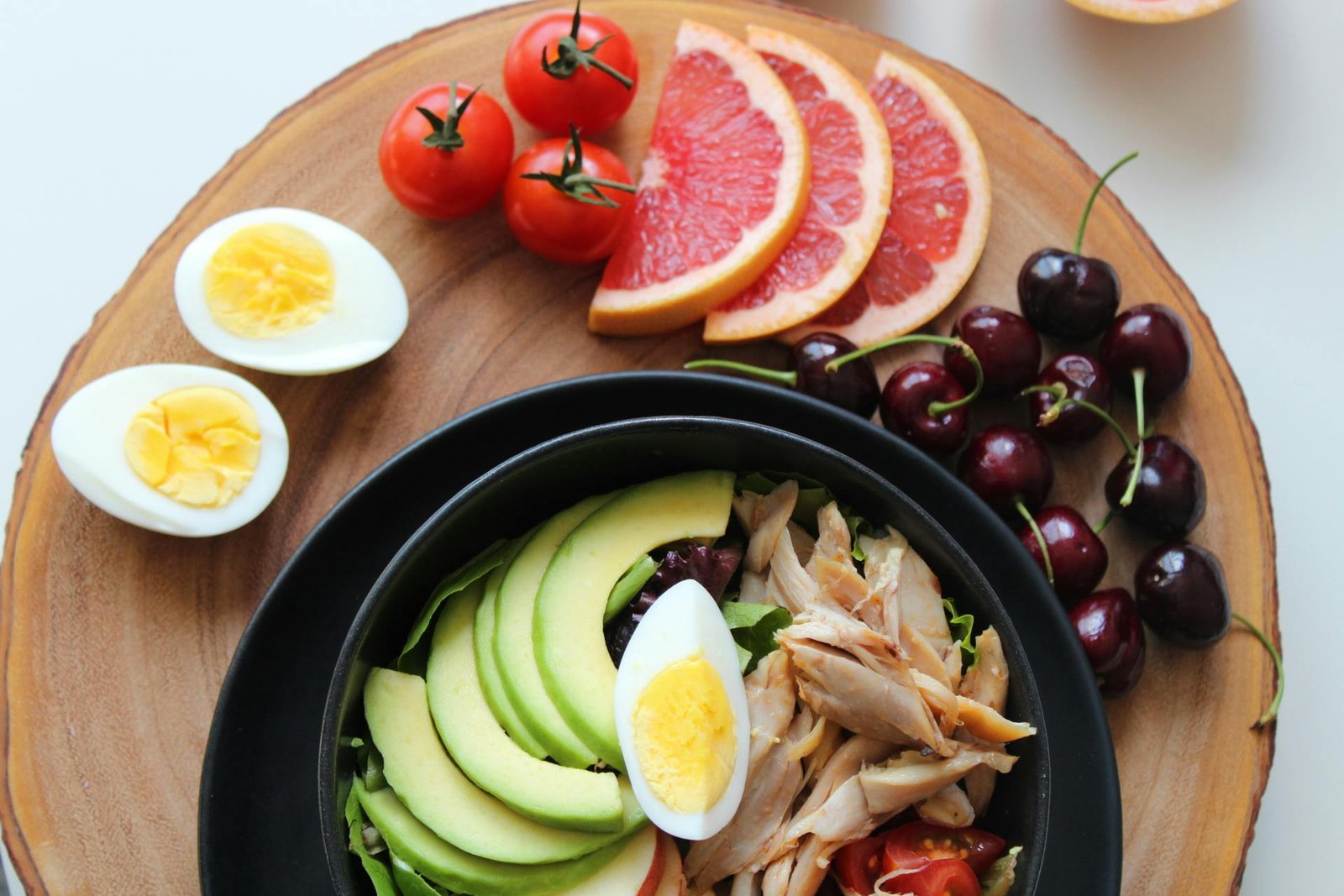
A high-fibre keto diet keeps carbs low while intentionally increasing fibre using keto-friendly foods and (when needed) psyllium or chia to support digestion. Many people struggle because keto limits common fiber sources, so this guide focuses on a practical daily approach—food lists, a 7-day plan, and fixes if fiber makes symptoms worse
Why Fibre Matters on Keto
Starting a ketogenic diet often means cutting carbs dramatically. But here’s what most people miss: not all carbs are created equal. While you’re avoiding bread and pasta, you might also be accidentally cutting out fibre—and that’s a mistake that can derail your health and your results.
This guide will show you exactly how to get plenty of fibre while staying in ketosis, why it matters for your gut health and weight loss, and which foods give you the best fibre-to-carb ratio.
Note: If you’re struggling to see results on Keto, you’re not alone. When I started my journey to lose 40 kg with PCOS, I realized that generic advice doesn’t work for hormonal weight loss. I’ve put together a complete, step-by-step [2026 Keto Guide] that reveals the exact protocol I used to reset my metabolism and balance my hormones naturally. Make sure to read it alongside this post to fast-track your results!
What Are Net Carbs? (The Foundation of High-Fibre Keto)
Before we dive into fibre, you need to understand net carbs—the metric that makes high-fibre keto possible.
The Net Carb Formula
Net Carbs = Total Carbs – Fibre
Why? Because fibre is a carbohydrate that your body can’t digest. It doesn’t spike your blood sugar or kick you out of ketosis. This means you can eat foods with higher total carbs as long as most of those carbs come from fibre.
Real-World Example
- 1 medium avocado: 17g total carbs, 13g fiber = 4g net carbs
- 1 cup broccoli: 6g total carbs, 2.4g fiber = 3.6g net carbs
This is why avocados and cruciferous vegetables are keto superstars—they’re packed with fibre but low in net carbs.
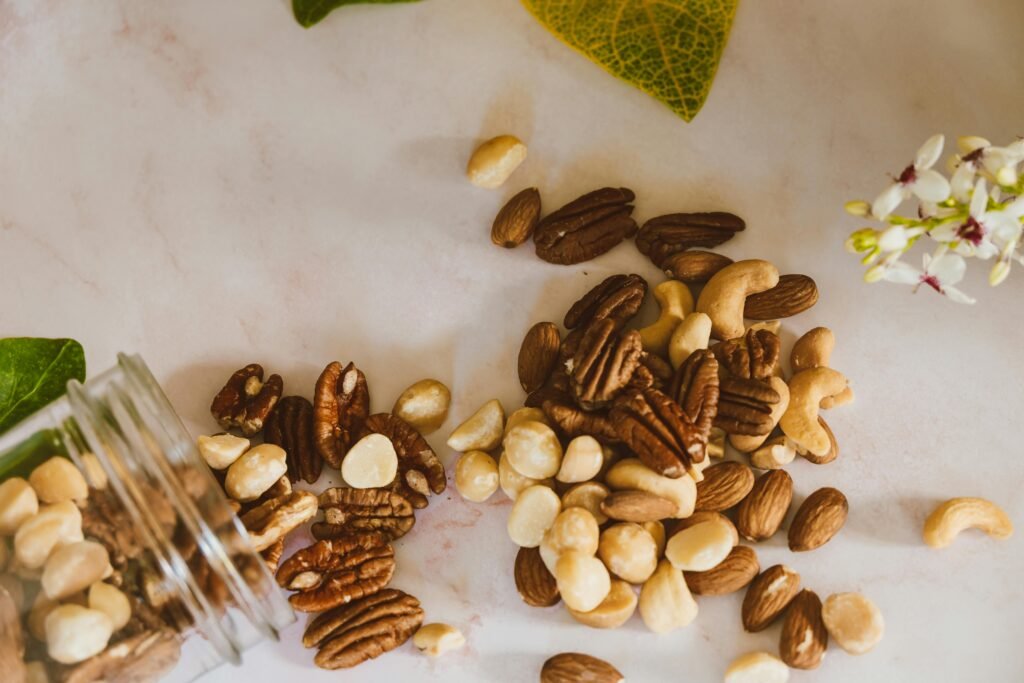
The Science: How High-Fibre Keto Supports Ketosis
Fiber and Insulin Response
Unlike sugar and starch, fibre doesn’t cause insulin spikes. This keeps your body in fat-burning mode, which is the entire point of keto. Some fibres, particularly soluble fibre, can even improve insulin sensitivity over time.
When you combine keto with adequate fibre, you create an environment where beneficial bacteria thrive, which can enhance mental clarity, reduce inflammation, and improve overall health.
What “high-fibre keto diet” means
- Keto typically limits carbs heavily (often ~20–50 g/day), which can unintentionally lower fibre intake and contribute to constipation.
- “High-fibre keto” means prioritising low-net-carb fibre sources (seeds, leafy greens, cruciferous vegetables, and avocado) and building meals around them.
Types of Fibre: Soluble vs. Insoluble
Understanding fibre types helps you choose the right foods for your goals if you are on a high fibre keto diet
Soluble Fibre
Dissolves in water to form a gel-like substance. This type:
- Slows digestion and increases satiety
- Helps regulate blood sugar
- Feeds beneficial gut bacteria
- Can lower cholesterol
Best keto sources: Avocados, flaxseeds, chia seeds, psyllium husk, Brussels sprouts
Insoluble Fibre
Doesn’t dissolve in water. This type:
- Adds bulk to stool
- Prevents constipation
- Speeds up transit time through the digestive system
Best keto sources: Leafy greens, cauliflower, green beans, nuts, seeds
The ideal approach: Get both types by eating a variety of fibrous whole foods.
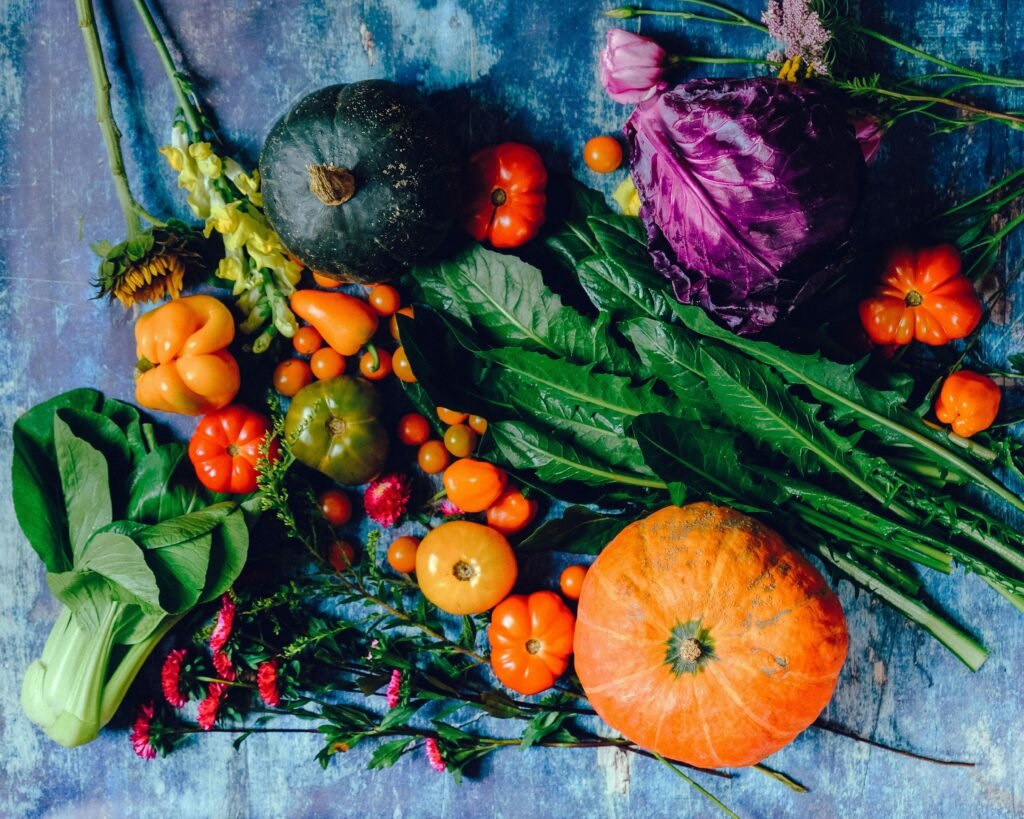
High-Fibre Keto Superstars: The Best Foods
These foods offer the highest fibre-to-net-carb ratio, making them perfect for a high-fibre keto diet. This includes chia seeds, flaxseeds, avocados, spinach, broccoli, almonds, and berries, which boost fiber without exceeding carb limits, supporting overall health while in ketosis.
1. Avocados (The Keto MVP)
- Fiber: 10g per medium fruit
- Net carbs: 2g
- Bonus: Packed with healthy fats and potassium
Avocados are virtually perfect for keto. Add them to salads, make guacamole, or eat them plain with salt and lime.
2. Chia Seeds
- Fiber: 10g per 2 tablespoons
- Net carbs: <1g
- Bonus: High in omega-3 fatty acids
Make chia pudding by mixing 3 tablespoons of chia seeds with 1 cup of unsweetened almond milk. Let it sit overnight.
3. Flaxseeds (Ground)
- Fibre: 8 g per 3 tablespoons
- Net carbs: 0g
- Bonus: Excellent for keto baking
Always buy ground flaxseed or grind whole seeds yourself—your body can’t digest whole flaxseeds.
4. Leafy Greens (Spinach, Kale, Arugula)
- Fiber: 2-4g per cup (cooked)
- Net carbs: 1-3g
- Bonus: Loaded with micronutrients
You can eat massive volumes of leafy greens without affecting ketosis.
5. Cruciferous Vegetables
Broccoli, cauliflower, Brussels sprouts, and cabbage are your primary whole-food fiber sources on keto.
- Broccoli: 2.4g fiber, 3.6g net carbs per cup
- Cauliflower: 2g fiber, 3g net carbs per cup
- Brussels sprouts: 3.3g fiber, 4.7g net carbs per cup
These vegetables also contain sulforaphane, a compound with powerful anti-cancer properties.
6. Pecans (Highest-Fiber Nut)
- Fiber: 2.7g per ounce
- Net carbs: 1.2g
- Bonus: Lower in inflammatory omega-6 than most nuts
7. Raspberries and Blackberries
The only keto-friendly fruits worth eating regularly:
- Raspberries: 8g fiber, 7g net carbs per cup
- Blackberries: 7.6g fiber, 6.2g net carbs per cup
8. Artichokes
- Fiber: 6.9g per medium artichoke
- Net carbs: 6.8g
- Note: Higher in net carbs, so limit to occasional use
Why does constipation happen on keto?
People often suffer from keto constipation due to following reasons while on ketosis.
- Fibre drops when high-carb, high-fibre foods (grains/legumes/starchy veg) are reduced, so stool bulk and motility can change.
- Some people also need hydration, electrolytes, or magnesium support alongside fibre, and too much fibre too fast can backfire.
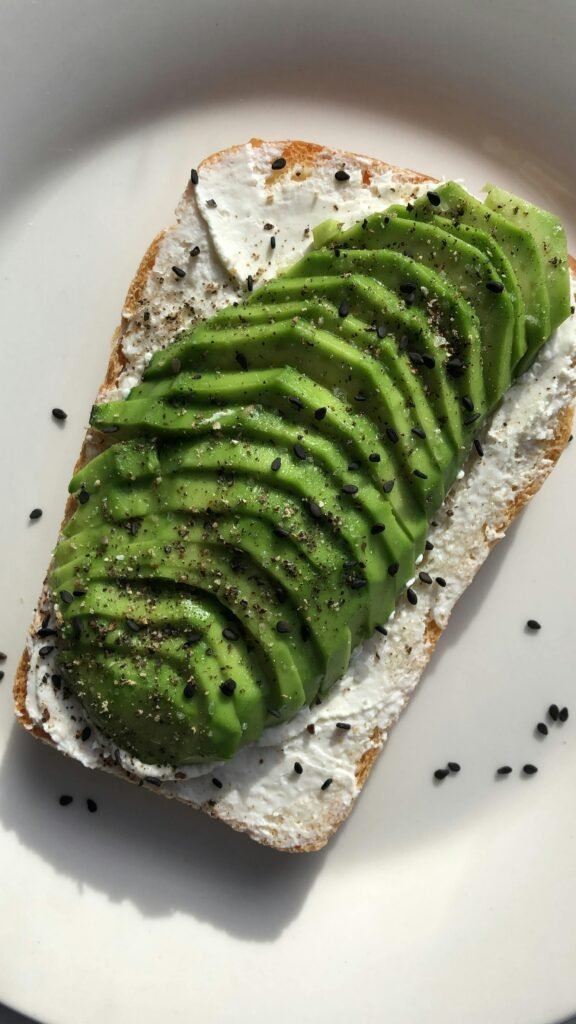
7-Day High-Fiber Keto Meal Plan
This meal plan targets 30-40 g of fibre daily while staying under 25 g of net carbs.
Day 1
Breakfast: Chia pudding (3 tbsp chia seeds, 1 cup unsweetened almond milk, 1/4 cup raspberries, stevia to taste)
- Fiber: 14 g | Net carbs: 8 g
Lunch: Spinach salad with grilled chicken, 1/2 avocado, pecans, olive oil dressing
- Fiber: 11 g | Net carbs: 6 g
Dinner: Cauliflower rice stir-fry with broccoli, bell peppers, and salmon
- Fiber: 9g | Net carbs: 10g
Snack: Celery sticks with almond butter
- Fiber: 2g | Net carbs: 2g
Daily Total: Fiber: 36g | Net carbs: 26g
Day 2
Breakfast: Keto smoothie (spinach, 1/2 avocado, unsweetened coconut milk, protein powder, 1 tbsp flaxseed)
- Fiber: 10g | Net carbs: 5 g
Lunch: Lettuce-wrapped turkey burgers with sautéed mushrooms and asparagus
- Fiber: 6g | Net carbs: 7g
Dinner: Zucchini noodles with pesto, cherry tomatoes, and grilled shrimp
- Fibre: 8 g | Net carbs: 9 g
Snack: 1/4 cup blackberries with whipped cream
- Fiber: 2g | Net carbs: 2g
Daily Total: Fiber: 26g | Net carbs: 23g
Day 3
Breakfast: Scrambled eggs with sautéed kale and 1/2 avocado
- Fiber: 8g | Net carbs: 4g
Lunch: Cabbage slaw with rotisserie chicken, sesame oil, and sunflower seeds
- Fiber: 7g | Net carbs: 8g
Dinner: Roasted Brussels sprouts with bacon and grilled steak
- Fiber: 10g | Net carbs: 12g
Snack: 1 oz pecans
- Fiber: 3g | Net carbs: 1g
Daily Total: Fiber: 28g | Net carbs: 25g
Day 4
Breakfast: Keto bread (made with psyllium husk and flax) with cream cheese
- Fiber: 12 g | Net carbs: 4 g
Lunch: Broccoli cheddar soup (homemade with heavy cream)
- Fiber: 5 g | Net carbs: 7 g
Dinner: Baked cod with roasted cauliflower and green beans
- Fiber: 9 g | Net carbs: 11 g
Snack: 2 tbsp chia seeds in water with lemon
- Fiber: 10 g | Net carbs: 1 g
Daily Total: Fiber: 36 g | Net carbs: 23 g
Day 5
Breakfast: Avocado boats with scrambled eggs and hot sauce
- Fiber: 10g | Net carbs: 3 g
Lunch: Mixed green salad with artichoke hearts, olives, feta, grilled chicken
- Fibre: 8 g | Net carbs: 9 g
Dinner: Shirataki noodles (glucomannan) with marinara and Italian sausage
- Fiber: 6 g | Net carbs: 8 g
Snack: Flax crackers with guacamole
- Fiber: 6 g | Net carbs: 3 g
Daily Total: Fiber: 30 g | Net carbs: 23 g
Day 6
Breakfast: Coconut flour pancakes with sugar-free syrup and raspberries
- Fiber: 11 g | Net carbs: 8 g
Lunch: Egg salad lettuce wraps with celery and cucumber
- Fiber: 4 g | Net carbs: 4 g
Dinner: Pork chops with mashed cauliflower and sautéed spinach
- Fibre: 8 g | Net carbs: 9 g
Snack: 1/4 cup blackberries with 2 tbsp hemp seeds
- Fiber: 5 g | Net carbs: 3 g
Daily Total: Fiber: 28 g | Net carbs: 24 g
Day 7
Breakfast: Keto chia “oatmeal” (chia seeds, flaxseed, unsweetened coconut milk, cinnamon, pecans)
- Fiber: 16 g | Net carbs: 6 g
Lunch: Cobb salad with avocado, bacon, hard-boiled eggs, blue cheese
- Fiber: 9 g | Net carbs: 6 g
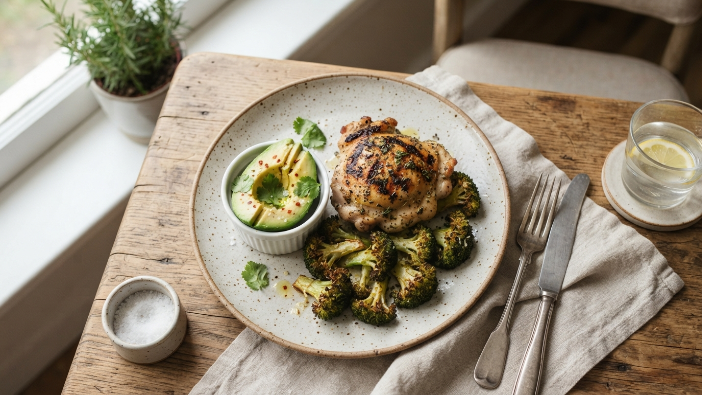
Dinner: Grilled chicken thighs with roasted broccoli and cauliflower
- Fiber: 7g | Net carbs: 8g
Snack: Celery with almond butter and chia seeds
- Fiber: 5 g | Net carbs: 4 g
Daily Total: Fiber: 37 g | Net carbs: 24 g
Hydration: The Missing Piece
Critical reminder: When you are on high-fibre keto diet, you MUST increase water consumption.
Fibre absorbs water as it moves through your digestive tract. Without adequate hydration, you’ll experience:
- Constipation
- Bloating
- Abdominal discomfort
- Headaches
Minimum water intake: Half your body weight in ounces daily Example: 160 lbs = 80 oz water (about 10 cups)
Pro tip: Add a pinch of sea salt to your water for electrolytes, or drink bone broth to support hydration and mineral balance.
Frequently Asked Questions
Q. How much fibre should I eat on keto?
A. Aim for 25-35 g daily for women and 30-40 g for men. This matches general health recommendations and supports optimal gut function.
Q. Will fibre slow down weight loss on keto?
A. No. Fibre increases satiety, stabilises blood sugar, and supports a healthy metabolism—all of which can enhance weight loss.
Q. Can I eat too much fibre on keto?
A. Yes. Excessive fibre (60 g+) can cause bloating, gas, and nutrient malabsorption. Stick to the recommended range.
Q. Is resistant starch safe for keto?
A. For most people, small amounts (1-2 tablespoons of raw potato starch) won’t affect ketosis. However, individual responses vary. Test your ketones if experimenting.
Q. What if vegetables make me bloated?
A. You may have small intestinal bacterial overgrowth (SIBO) or food sensitivities. Try:
- Cooking vegetables thoroughly
- Starting with lower-FODMAP options (spinach, zucchini, cucumber)
- Taking digestive enzymes
- Working with a healthcare provider
Q. Do I need a fibre supplement on keto?
A. Not necessarily. If you’re eating plenty of vegetables, nuts, seeds, and avocados, you should meet your fiber needs through whole foods. Supplements can help if you’re falling short.
The Bottom Line
High-fiber keto diet isn’t just possible—it’s optimal. By focusing on net carbs instead of total carbs, you can enjoy abundant fiber while staying in ketosis.
The key principles:
- Calculate net carbs (Total Carbs – Fiber)
- Prioritize whole-food fiber sources (avocados, leafy greens, cruciferous vegetables, nuts, seeds)
- Include both soluble and insoluble fiber
- Increase fiber gradually to avoid digestive upset
- Drink plenty of water
- Balance fiber with adequate electrolytes
When you combine the metabolic benefits of ketosis with the gut health advantages of high fiber intake, you create a powerful nutritional approach that supports weight loss, mental clarity, stable energy, and long-term health.
Your microbiome will thank you, your digestion will improve, and you’ll feel better than ever—all while staying in fat-burning mode.
Ready to start? Use the meal plan above, stock up on the high-fiber keto superstars, and track your progress. Within two weeks, you’ll notice the difference.




5 Comments