5 Deep Dive Guide Plans for a Successful Keto Journey!
While most beginners focus solely on macros (fats, proteins, and carbs), the secret to long-term success on a vegetarian keto diet without meat lies in the “micros” (vitamins and minerals) and your preparation strategy. In this deep dive, we solve the two biggest hurdles: nutrient deficiencies and the “What do I eat tomorrow?” struggle. To address the issue, here is a detailed guide for a vegetarian keto diet with micronutrients.
Solving the Micronutrient Puzzle
When you remove meat, you remove easy access to specific vitamins. To thrive on a vegetarian keto diet with micronutrients, you must be intentional about these four pillars:
A. Vitamin B12: The Energy Catalyst
B12 is essential for nerve function and red blood cell production. Since it is predominantly found in animal tissue, vegetarians must rely on eggs and dairy. However, to ensure you don’t hit an “energy slump”, we recommend:
- Nutritional Yeast: 2 tablespoons a day (gives a nutty, cheesy flavour to your eggs).
- Fortified Paneer: Check labels for added nutrients.
- The Supplement Rule: If you are “pure veg” (no eggs), a weekly B12 sublingual tablet is non-negotiable.
B. Iron and Vitamin C: The Dynamic Duo
Iron from plant sources (non-haeme iron) is harder for the body to absorb than iron from meat. On a vegetarian keto diet without meat, you should:
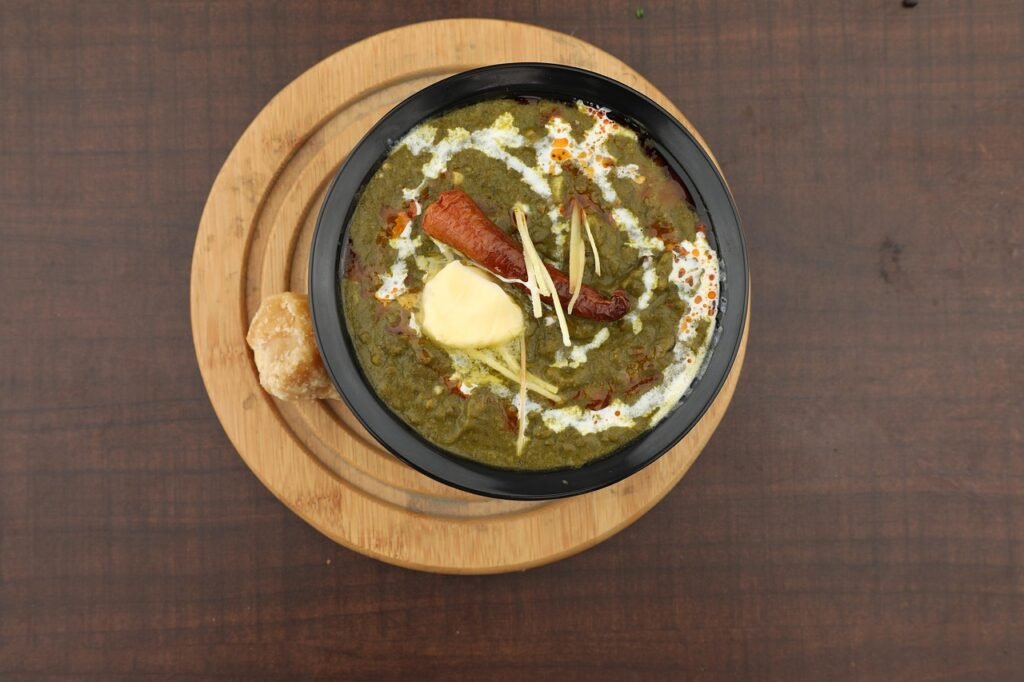
- Always add lemon: squeeze fresh lemon over your Palak Paneer. The vitamin C increases iron absorption by up to 300%.
- Cook in Cast Iron: Use a traditional pot for your curries; it naturally infuses small amounts of iron into your food.
C. The Magnesium and Potassium Balance
When you enter ketosis, your kidneys flush out water and salt. This can lead to the “keto flu”. To prevent this, increase your intake of:
Avocados or Himalayan Pink Salt: To maintain electrolyte balance.
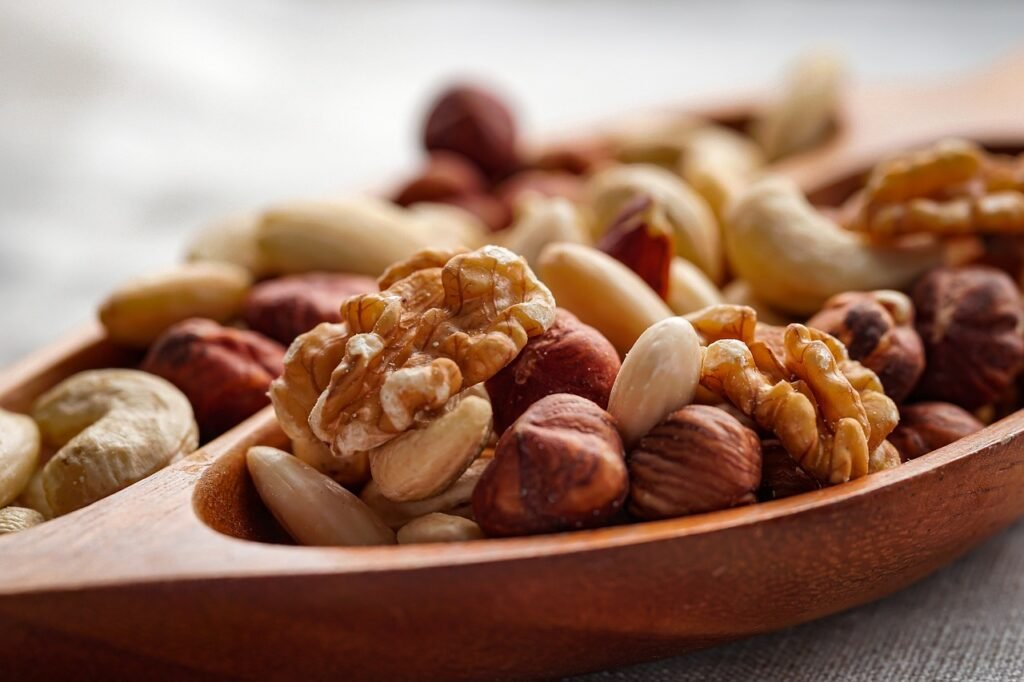
Pumpkin Seeds: High in Magnesium.
High-Protein “Power Ingredients”
Many people think a vegetarian keto diet without meat is just “eating cheese all day”. That is a recipe for a plateau. You need variety:
Tempeh: Fermented soy that is easier to digest than tofu and provides a meat-like texture to your stir-fries.
Black Soybeans: Unlike white chickpeas, black soybeans are incredibly low in net carbs and high in fibre. They make an excellent “Chana Masala” substitute.
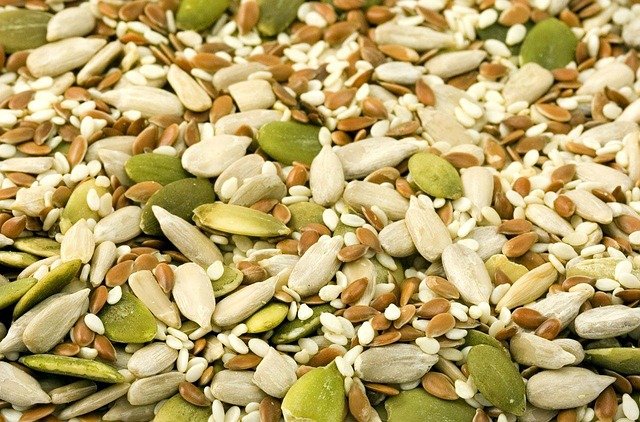
Hemp Seeds: These are 30% protein and 0% net carbs. Sprinkle them over your yoghurt or dahi.
The 7-Day “Desi Meal Prep” System
Success on a vegetarian keto diet with micronutrients is 80% preparation. If you don’t have keto food ready, you will reach for a biscuit or a rusk with your tea.
Weekend Prep (The Foundation):
- Boil 12 Eggs: Keep them in the fridge for instant snacks.
- Make “Keto Flour Mix”: premix almond flour, coconut flour, and psyllium husk. This saves 15 minutes every time you make a roti.
- The Green Base: Clean and chop 1 kg of spinach or mustard greens. Steam them slightly so they are ready to be tossed into a pan with ghee.
Mid-Week Hacks:
Cauliflower Rice: Grate two large cauliflowers and store them in airtight containers. Use this as a base for fried rice.
The “Paneer Marinade”: Cube 500g of paneer and soak it in yoghurt, ginger-garlic paste, and spices. It lasts 3 days and can be grilled in 5 minutes.
Overcoming Social Pressure and “Old Family” Habits
The hardest part of a vegetarian keto diet without meat in a South Asian household is the pressure to eat just one small bread (roti)
How to handle it:
Focus on the Curry: Most South Asian curries are naturally keto-friendly if you exclude the potatoes and the bread.
The “Ghee” Excuse: Tell your family you are focusing on “healthy fats for brain power”.
Bring Your Own Bread: Always have your Almond Flour bread ready when the family sits down for dinner.
Conclusion: A Lifestyle, Not a Phase
A vegetarian keto diet without meat is a sustainable, ethical, and powerful way to reclaim your health. By mastering the nutrient gaps and prepping your meals like a pro, you move beyond “dieting” and into a lifestyle of high energy and effortless weight management.
Remember: the goal is not just to lose weight but to nourish your body with the cleanest fuel possible. Consistency is the key, and anyone can achieve results with a vegetarian keto diet with micronutrients.


3 Comments