Many people assume that starting a ketogenic diet requires a massive bank account and frequent trips to high-end organic grocery stores. The common misconception is that “real keto” consists of expensive grass-fed steaks, $15 jars of MCT oil, and premium nut flours. However, if you are looking to lose weight or improve your health without draining your savings, mastering budget keto meal prep under $50 a week is not only possible—it’s actually the most sustainable way to live.
Note: If you’re struggling to see results on keto, you’re not alone. When I started my journey to lose 40 kg with PCOS, I realised that generic advice doesn’t work for hormonal weight loss. I’ve put together a complete, step-by-step [2026 Keto Guide] that reveals the exact protocol I used to reset my metabolism and balance my hormones naturally. Make sure to read it alongside this post to fast-track your results!
What is a budget keto?
The secret to success isn’t just buying cheaper food; it’s about the “Gapping Data” strategy. Most online guides show you cheap ingredients but fail to show you how to hit 1500 to 1800 calories without the cost skyrocketing. In this comprehensive guide, we are bridging that gap with a data-backed plan to help you hit your macros while keeping your wallet full.
The Financial Logic of High-Calorie Budget Keto
When you aim for 1800 calories, you are consuming roughly 12,600 calories per week. On a $50 budget, that means you need to source approximately 252 calories for every $1 spent. Standard “keto snacks” (like keto bars or cookies) often provide only 40 calories per dollar. To win at budget keto meal prep under $50 a week, you must pivot toward whole-food fats and high-yield proteins.
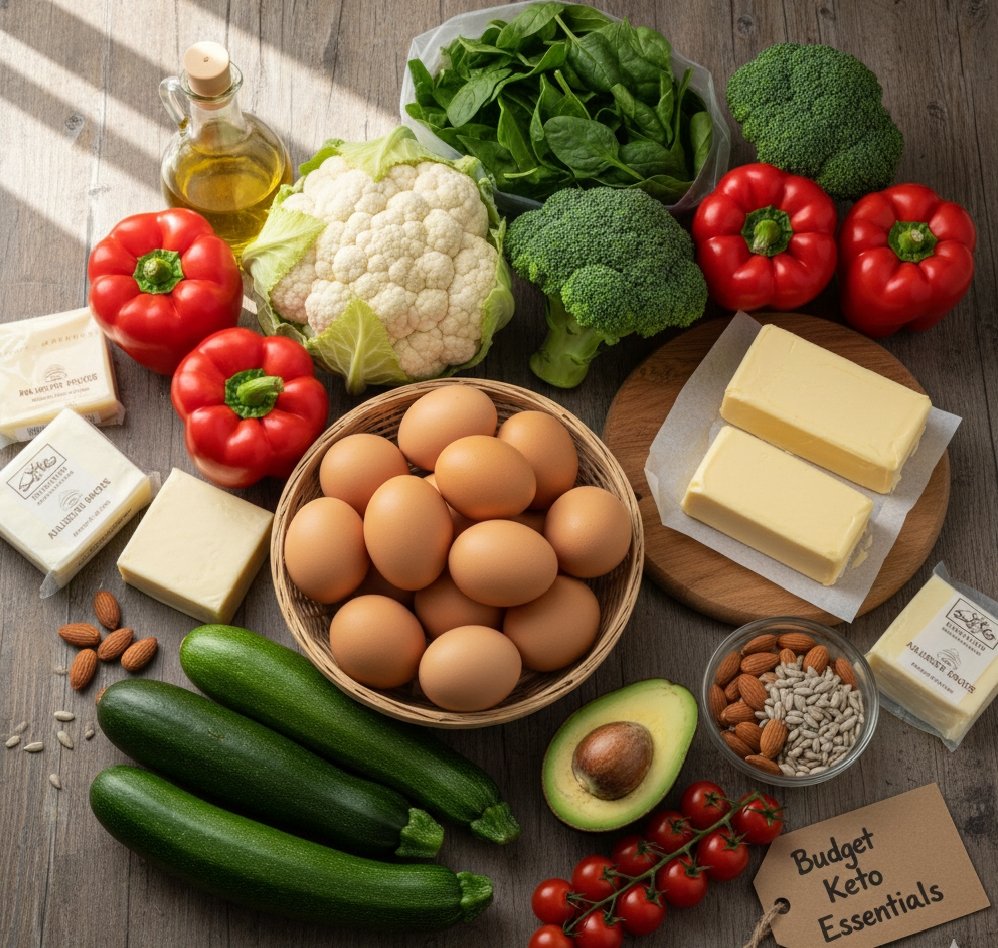
Weekly Macro & Cost Efficiency Data
| Food Category | Cost/lb (Avg) | Calories/lb | Budget Efficiency |
| Eggs (Dozen) | $2.50 | 900 | Ultra High |
| Chicken Thighs (Skin-on) | $1.99 | 1,100 | High |
| Ground Beef (80/20) | $3.99 | 1,150 | Medium |
| Butter (Salted) | $3.50 | 3,200 | Maximum |
| Cabbage/Greens | $0.80 | 100 | Volume Filler |
Your Definitive $48.50 Grocery List
This list is optimised for a 1500–1800 calorie range. It focuses on nutrient density and satiety.
- Proteins ($22): 5 lbs Chicken Thighs ($10), 2 lbs Ground Beef ($8), 2 Dozen Eggs ($4).
- Essential Fats ($9): 1 lb Butter ($4), 16 oz Sour Cream ($2), 8 oz Block Cheddar ($3).
- Low-Carb Produce ($12): 2 heads of broccoli ($3), 1 large cabbage ($2), 5 lbs of spinach/greens ($4), and 3 bell peppers ($3).
- Pantry Staples ($5.50): Bulk Garlic, salt, pepper, and budget olive oil (prorated for weekly use).
Total: ~$48.50 (Leaving you $1.50 for a dash of hot sauce or extra spices!)
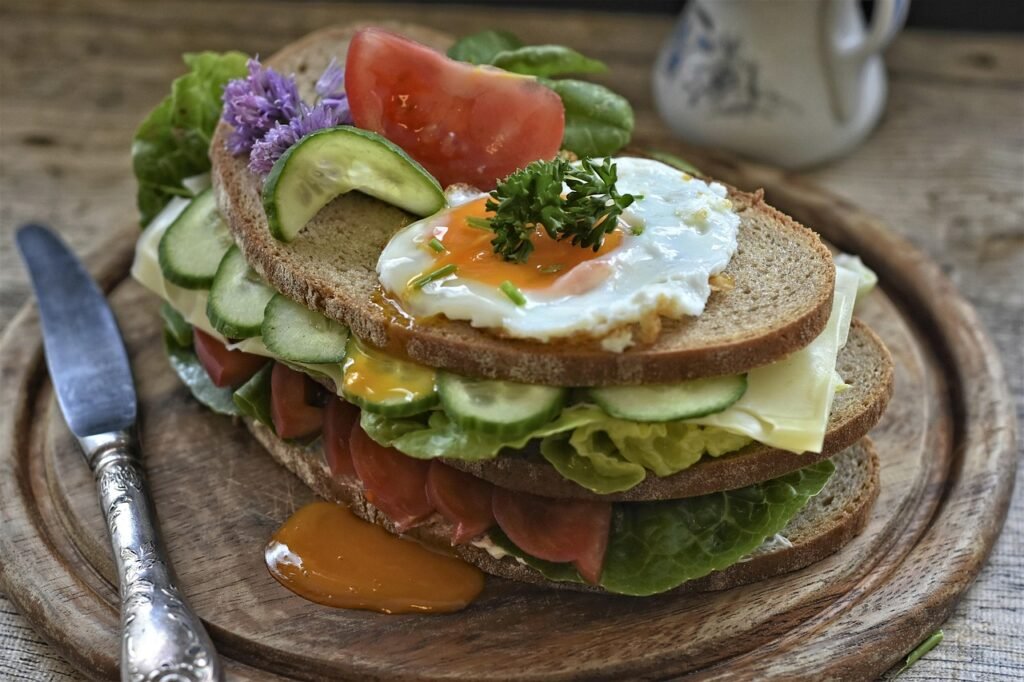
Step-by-Step Execution: Budget Keto Meal Prep Under $50 a Week
Can homemade keto snacks help with weight loss?
Weight loss benefits:
- garlic, Portion-controlled servings
- Optimal protein-to-carb ratios (2:1)
- No hidden carbs disrupting ketosis
- Increased meal prep mindfulness
- 300-400 fewer daily calories vs. convenience foods
- Better satiety (3-4 hours between meals)
- Muscle preservation during calorie deficit
Phase 1: The Protein Power-Hour
Roast your 5 lbs of chicken thighs all at once. Use the skin-on, bone-in variety—they are cheaper and provide the healthy fats necessary for ketosis. Season heavily with salt, pepper, and garlic powder. While the chicken roasts, brown your 2 lbs of ground beef in a large skillet. Crucial Tip: Do not drain the fat! That liquid gold is essential for hitting your 1800-calorie goal.
Phase 2: The “Egg-Cess” Breakfast
Whisk 18 eggs with a splash of water and half of your shredded cheese. Pour this into a greased baking dish and bake alongside the chicken. This creates “Breakfast Squares” that are portable and calorie-dense. This is a cornerstone of successful budget keto meal prep under $50 a week.
Phase 3: The “Crack Slaw” Bulk
Use the remaining cabbage and bell peppers. Sauté them in the leftover beef fat and a few tablespoons of butter. Mix this with your ground beef. This volume-heavy meal fills your stomach for pennies, providing the fibre missing from many poor keto plans.
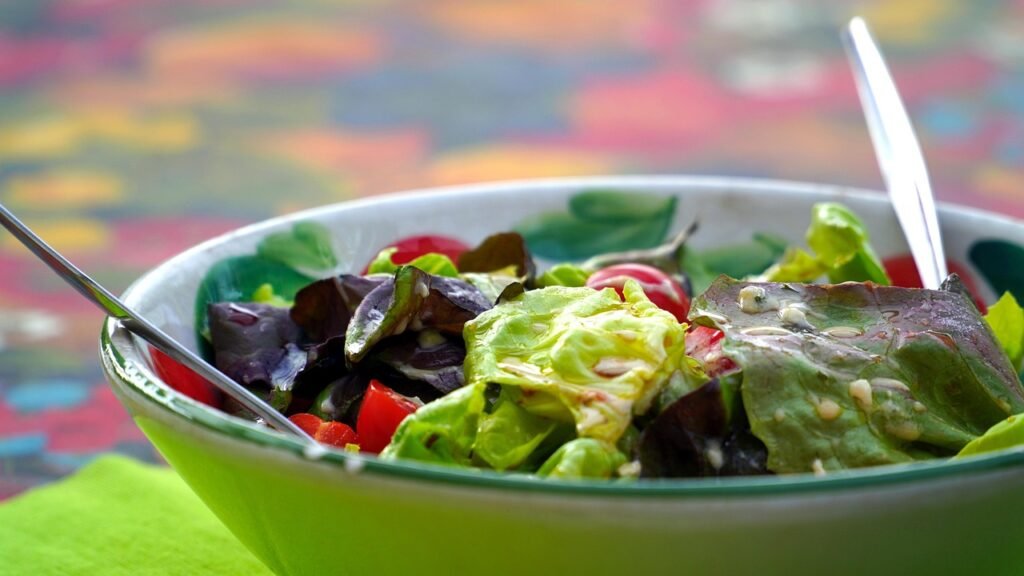
Addressing the “Hidden” Data: Satiety vs. Spend
One thing most people search for but don’t find is the satiety-to-dollar ratio. Many budget seekers buy lean chicken breast because it’s cheap per pound, but they find themselves starving an hour later. By choosing chicken thighs and 80/20 beef, you are buying fat, which keeps you in a state of ketosis and prevents “snack cravings” that lead to extra spending.
5 Hacks to Lower Your Costs Further
- Frozen over Fresh: Frozen broccoli and spinach have the same nutrients as fresh but often cost 40% less.
- The “Z-Trim” Meat Method: Ask your local butcher for fat trimmings. Often, they will give them to you for free or for a few cents. You can render these into tallow, the ultimate free keto cooking fat.
- Drink Salted Water: Many keto beginners spend $30 on electrolyte powders. A pinch of Himalayan salt and a splash of lemon in your water achieves the same “keto flu” prevention for free.
- Cabbage is the hero: skip the $4 head of cauliflower. Cabbage is more versatile, lasts longer in the fridge, and costs less than half the price.
- Store Brand Dominance: When performing your budget keto meal prep under $50 a week, never buy name-brand butter or cheese. The macros are identical, but the price tag is 30% higher.
6. Sample Daily Menu (1750 Calories)
- Breakfast: 2 Egg & Cheese Squares + 1 tbsp Butter (480 Cal)
- Lunch: 2 Roasted Chicken Thighs + 2 cups Sautéed Spinach (550 Cal)
- Dinner: Large Beef & Cabbage Bowl topped with Sour Cream and Cheese (720 Cal)
- Daily Total: 1750 Calories | 135g Fat | 110g Protein | 15g Net Carbs
FAQs: Mastering the $50 Budget Keto Strategy
Q. What is the “Gapping Data” strategy in budget keto?
A. The Gapping Data strategy is a financial approach to keto that focuses on the calories-per-dollar ratio. Instead of buying expensive keto-branded snacks that offer low caloric yield, this strategy prioritises whole-food fats and high-yield proteins to ensure you hit 1500–1800 calories daily while staying under a $50 weekly budget.
Q. Is it possible to hit 1800 calories on a $50 weekly keto budget?
A. Yes. To achieve this, you must source approximately 252 calories for every $1 spent. This is done by choosing high-fat, lower-cost proteins like bone-in chicken thighs and 80/20 ground beef and utilising the rendered fats for cooking rather than draining them away.
Q. Why are chicken thighs better than chicken breasts for budget keto?
A. Chicken thighs are superior for budget keto because they are generally cheaper per pound and contain higher fat content. This fat is essential for maintaining ketosis and provides higher satiety, preventing the “hunger gaps” that lead to expensive midday snacking.
Q. How can I save money on keto electrolytes?
A. Instead of spending $30 or more on commercial electrolyte powders, you can create a “budget version” at home. Simply add a pinch of mineral-rich salt and a splash of lemon to your water to prevent the ‘keto flu’ for a fraction of the cost.
Q. What is the most cost-effective vegetable for keto meal prep?
A. While cauliflower is popular, green cabbage is the true hero of budget keto. It is more versatile, has a longer shelf life, and typically costs less than half the price of cauliflower while providing the necessary fibre for digestive health.
Conclusion: Results You Can Count On
Achieving a budget keto meal prep under $50 a week is a skill that pays dividends for your health and your bank account. By focusing on high-calorie staples, batch cooking, and smart vegetable choices, you can maintain a high-energy lifestyle for less than the cost of a single dinner out at a restaurant.






3 Comments