Medical Disclaimer: I am a keto expert sharing my personal journey and research. I am not a doctor. This content is for informational purposes. Always consult a healthcare professional before making radical dietary changes, especially if you have PCOS or insulin resistance.
The Day I Decided to Change Myself
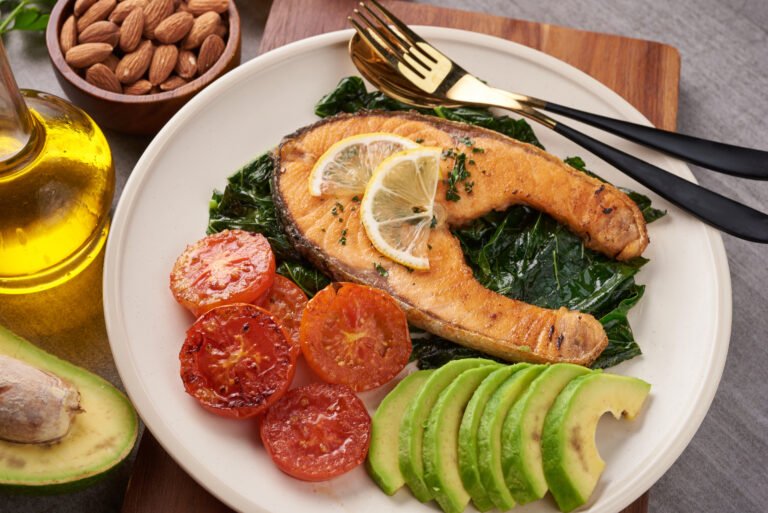
“Achieving successful keto for PCOS weight loss allowed me to lose 40 kg (88 lbs) in just 12 months by finally addressing the root cause of my metabolic struggles: high insulin levels.” At my heaviest, I weighed 121 kg (266 lbs). At 6 feet tall, I carried a 44-inch waist, but the physical weight wasn’t the biggest burden—it was the metabolic “wall” I had hit. Diagnosed with Polycystic Ovary Syndrome (PCOS) and severe insulin resistance, my body was effectively in a constant state of fat storage. How I lost 40 kg in 12 months: I want to tell the world! Stay with me; I have discussed all obstacles I faced! While keto was my foundation, the real breakthrough in my 40 kg (88 lbs) journey happened when I stopped eating generic proteins and started focusing on specific fats. I’ve detailed the exact best fish for PCOS weight loss that helped me clear my skin and drop the stubborn belly fat that nothing else would touch.”
Note: If you’re struggling to see results on keto, you’re not alone. When I started my journey to lose 40 kg with PCOS, I realized that generic advice doesn’t work for hormonal weight loss. I’ve put together a complete, step-by-step [2026 Keto Guide] that reveals the exact protocol I used to reset my metabolism and balance my hormones naturally. Make sure to read it alongside this post to fast-track your results!
The 40kg Transformation: Where It All Began!
“For five years before this transformation, I couldn’t understand why I couldn’t lose weight with PCOS. Every diet failed. Every exercise programme backfired. I was trapped in a cycle of frustration until I identified seven hidden obstacles blocking my progress.”
For years, I was told that medication or injections were my only future. However, I wanted to prove that by understanding the “biohacking” power of the ketogenic diet, I could reverse these markers naturally. Over the following months, I lost 40 kg (88 lbs) and 10 inches from my waist. This is the exact protocol I used to reclaim my health without a single pill or injection.

Breaking the Insulin Resistance Wall
“Losing 40 kg (88 lbs) while battling PCOS isn’t about eating less; it’s about hormonal management. When you have insulin resistance, your body is effectively ‘locked’ in fat-storage mode. I thought for years, ‘why is PCOS weight loss so hard?’ Every time I ate carbohydrates, my insulin spiked, and because of my PCOS, that insulin stayed high for hours, completely blocking my ability to burn body fat.
To break this cycle, I had to stop looking at calories and start looking at the glycaemic load of my food. By entering a state of nutritional ketosis, I lowered my baseline insulin levels for the first time in years. This allowed my 44-inch waist to finally start shrinking.
During this 12-month journey, I focused on high-quality proteins and fats that kept me satiated. I didn’t use Ozempic or Metformin; instead, I used ‘food as medicine. ‘I replaced inflammatory wheat with keto-friendly almond flour breads and focused on magnesium-rich greens to help my cells become ‘sensitive’ to insulin again. The result wasn’t just a 40 kg drop on the scale; it was a total hormonal reset that put my PCOS symptoms into a manageable state of remission.”
The PCOS-Insulin Connection: Why I Couldn’t Lose Weight
To understand why keto worked when other diets failed, we have to look at hyperinsulinemia.
In a typical body, insulin acts like a key that opens cells to let in energy (glucose). In my “PCOS body”, the locks were broken. My pancreas would pump out massive amounts of insulin, but my cells wouldn’t respond.
- High Insulin = Fat Storage: When insulin is high, the body is biologically blocked from burning fat.
- The PCOS Loop: High insulin triggers the ovaries to produce more androgens (male hormones), which causes acne, hair thinning, and more weight gain.
The Strategy: I realised that if I could keep my insulin “quiet” by removing its primary trigger (carbohydrates), my body would have no choice but to switch its fuel source to body fat.
My “No-Medication” Protocol: The 3 Pillars of Success
Many people use metformin or Ozempic to manage these issues. My goal was to use metabolic flexibility. Here is the 3-step system I followed:
A. Strict Macronutrient Ratios
I didn’t just “eat low carb”. I tracked everything to ensure my hormones were being fed correctly.
- Fats (70-75%): Used as my primary energy source. I focused on anti-inflammatory fats like avocado, olive oil, and grass-fed butter.
- Proteins (20-25%): Crucial for maintaining lean muscle mass, especially at my 6-foot frame.
- Carbs (5%): I kept net carbs strictly under 20g per day. This was the “magic number” that forced my insulin levels to stay at baseline.
B. High-Protein Keto Snacks (The Hunger Stopper)
PCOS causes intense “sugar crashes”. To fight this, I developed high-protein, low-carb snacks. Instead of reaching for fruit or crackers, I used:
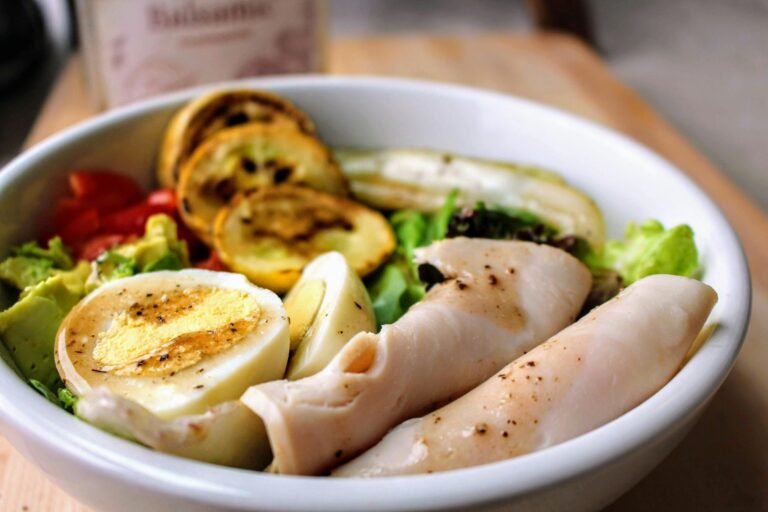
- Boiled eggs with sea salt.
- Homemade beef jerky (no sugar).
- My Keto Bread: This was a lifesaver. Being able to have a “sandwich” without the 30g of carbs meant I never felt deprived.
C. The Waist-to-Height Ratio
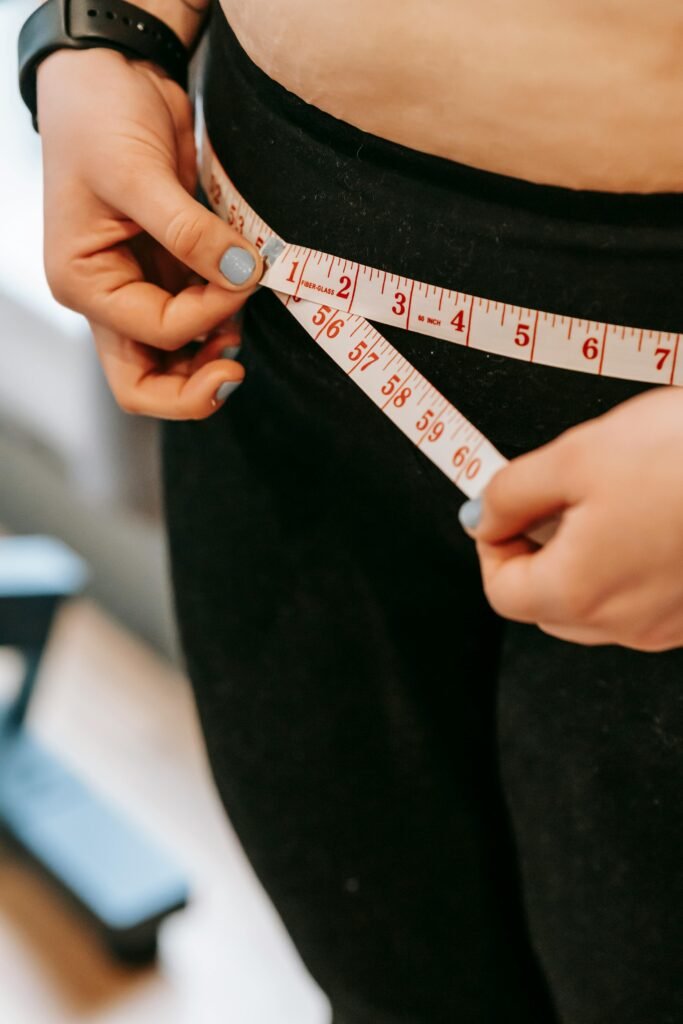
I stopped obsessing over the scale and started measuring my waist. A 44-inch waist meant high levels of visceral fat (fat around the organs), which is the most dangerous kind for PCOS patients. Every inch lost was a sign that my insulin sensitivity was returning.
D. What I Ate To Lose Weight
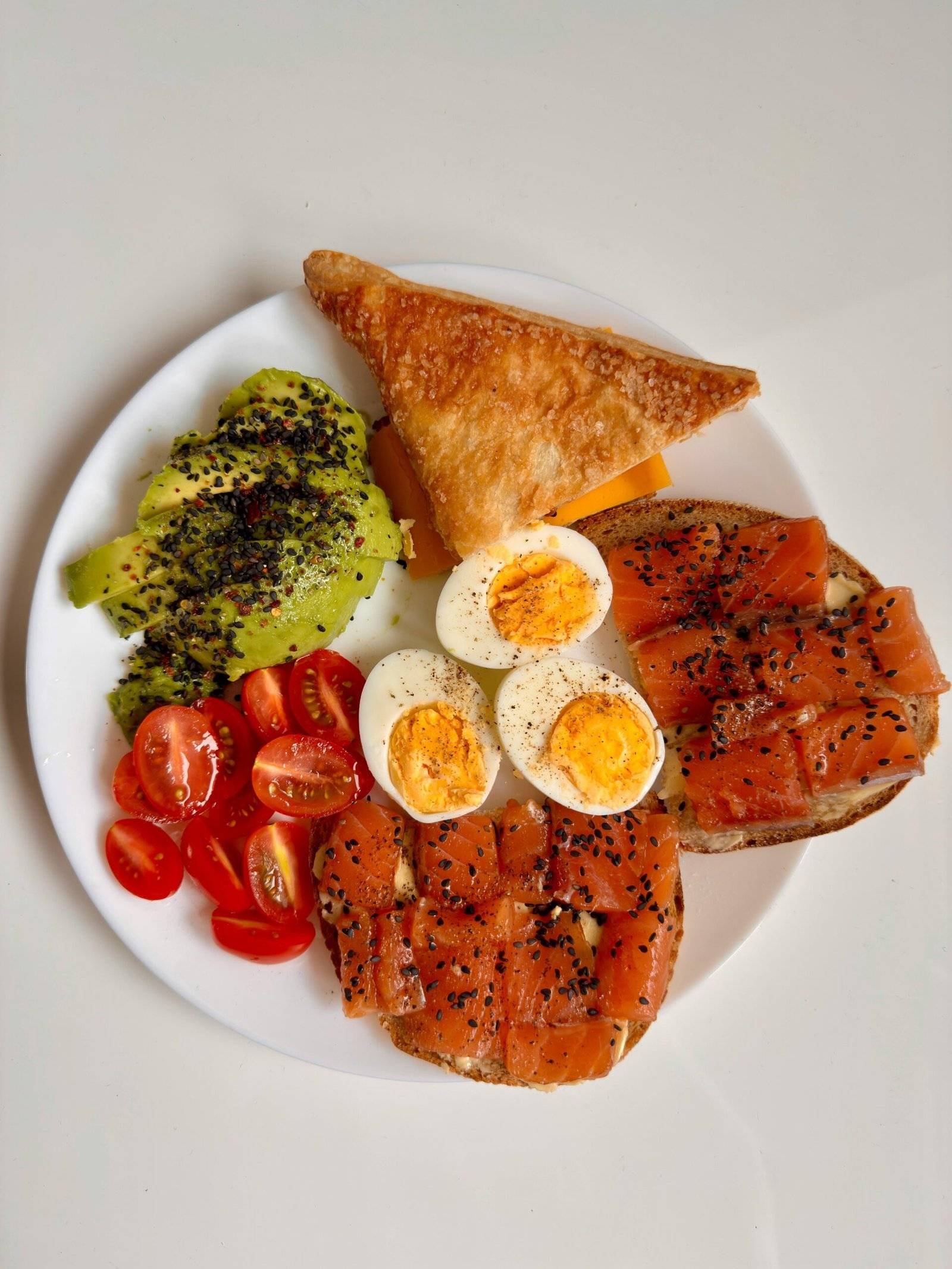
“My breakfast was crucial to this transformation. I ate 25-35 g of protein every single morning. See all my high-protein PCOS breakfast ideas here. High-protein breakfasts, featuring eggs, Greek yoghurt, or cottage cheese, provide essential nutrients to boost energy, satiety, and metabolism, with options like smoothies, savoury scrambles, or pre-prepped egg muffins. Popular choices deliver over 20-30 g of protein, such as 1.5 cups of Greek yoghurt, 1 cup of cottage cheese, or 3-egg scrambles.
Suffering From Keto Flu: The First Hurdle
“During the first week of my weight-loss keto journey, I encountered the keto flu, a common metabolic transition that occurs as the body shifts from burning glucose to burning fat. Because I was dealing with high insulin resistance, my ‘carb withdrawal’ felt intense, manifesting as fatigue, mild headaches, and brain fog. This happens because as insulin levels drop, the kidneys excrete excess water and essential electrolytes like sodium and magnesium. To stay on track and prevent these symptoms from stalling my 40 kg weight loss, I had to prioritise hydration and electrolyte replenishment immediately. If you are feeling sluggish or experiencing headaches today, you might be going through this exact transition. Check out my detailed guide on How to Cure Keto Flu Symptoms Fast to get back to feeling your best.”
Overcoming the “Keto Bread” Hurdle
One of the reasons I am a “keto expert” today is because I had to learn the science of keto baking to stay on track. In the beginning, my bread was dense, purple, and unappetising.
Through trial and error, I discovered:
- The Psyllium Reaction: Why certain brands turn your bread purple (and how to fix it with acidic ingredients like apple cider vinegar).
- The Temperature Secret: Using room-temperature eggs to ensure the bread rises, avoiding that “heavy brick” texture.
These small wins in the kitchen prevented me from quitting when the “carb cravings” hit during my first month.
Results: 40kg Down and PCOS in Remission
The transformation wasn’t just about the 40 kg loss. It was about the systemic changes:
- Skin Health: My hormonal acne cleared up as my androgen levels dropped.
- Energy Stability: I no longer had the “2 PM crash” common with insulin resistance.
- Waist Measurement: Dropping from 44 inches to 34 inches fundamentally changed my cardiovascular risk profile.
| Metric | Start | Finish | Total Change |
| Weight | 121 kg | 81 kg | -40 kg |
| Waist | 44 inches | 34 inches | -10 inches |
| Medication | Recommended | None | 100% Natural |

Frequently Asked Questions
Is keto safe for PCOS?
Research increasingly shows that for women with PCOS, a ketogenic diet can be a powerful tool for reducing insulin levels and restoring ovulation. However, you should always monitor your bloodwork with a professional.
Why didn’t you use weight loss injections?
I wanted to fix the root cause of my metabolic dysfunction. While injections can help some, I found that changing my relationship with glucose provided a permanent solution that I could maintain for life.
Can I eat keto bread every day?
Yes, as long as it’s made with high-quality ingredients like almond flour and psyllium husk. It helps with satiety and makes the diet sustainable.
Conclusion: Your Journey Starts with One Meal
Losing 40 kg with PCOS isn’t about willpower; it’s about biology. By choosing fat over sugar, I took the handcuffs off my metabolism. Whether you have 5 kg to lose or 50 kg, the science of ketosis remains the same.
Ready to start your own transformation?
- Step 1: Read my guide on [How to Calculate Your Keto Macros].
- Step 2: Avoid the common mistakes by reading [Why Your Keto Bread is Dense].
- Step 3: Join our community to share your progress!
- Step 4: If you are a student, read our [keto for college students] article
- Step 5: If you are looking for a [keto diet for women over 40], here is a guide for it!
- Step 6: We have compiled a [budget-friendly keto diet guide]. If you like it, subscribe for more!
Does this 12-month “Sustainable Transformation” approach feel right for your brand, or would you like to tweak the scientific explanation further?




Managing PCOS with keto can be challenging, but combining a structured diet with affordable support options can make a big difference in long-term results. For those exploring cost-effective solutions, this link has useful information on discounts and deals: [https://wegovypricecompare.com/wegovy-discount-codes-latest-offers-deals/]
Managing weight after cancer can be really challenging due to changes in metabolism and energy levels. Exploring safe, medically approved options alongside a balanced diet and gentle exercise can make a real difference: [https://wegovypricecompare.com/wegovy-discount-codes-latest-offers-deals/]